Background – AI and identity:
For many teenagers, especially in Hong Kong and from similar school-minded cultures, your identity might be closely tied to your academic achievements like test scores and class rankings. That might mean your final grade matters more than proof that you have learned something. AI helps many students get the results they want, at the cost of their development and journey. And for many, that includes their personal identity and confidence.
You have spent years at your desk. You have done past papers, sat practice exams and endured extra classes on weekends. Then, almost overnight, an artificial intelligence (AI) chatbot can do all of it in about a minute.
For a generation of teenagers across Asia raised on rankings and results, this is not just inconvenient. It is a threat to their identity.
Justine Campbell, a licensed clinical counsellor who works with young people across the region, has watched this play out with her teen clients.
“Most of the teenagers I work with have never been asked who they are,” she said. “They’ve only ever been asked what they can do. Those are completely different questions, and only one of them will hold up when things get hard.”
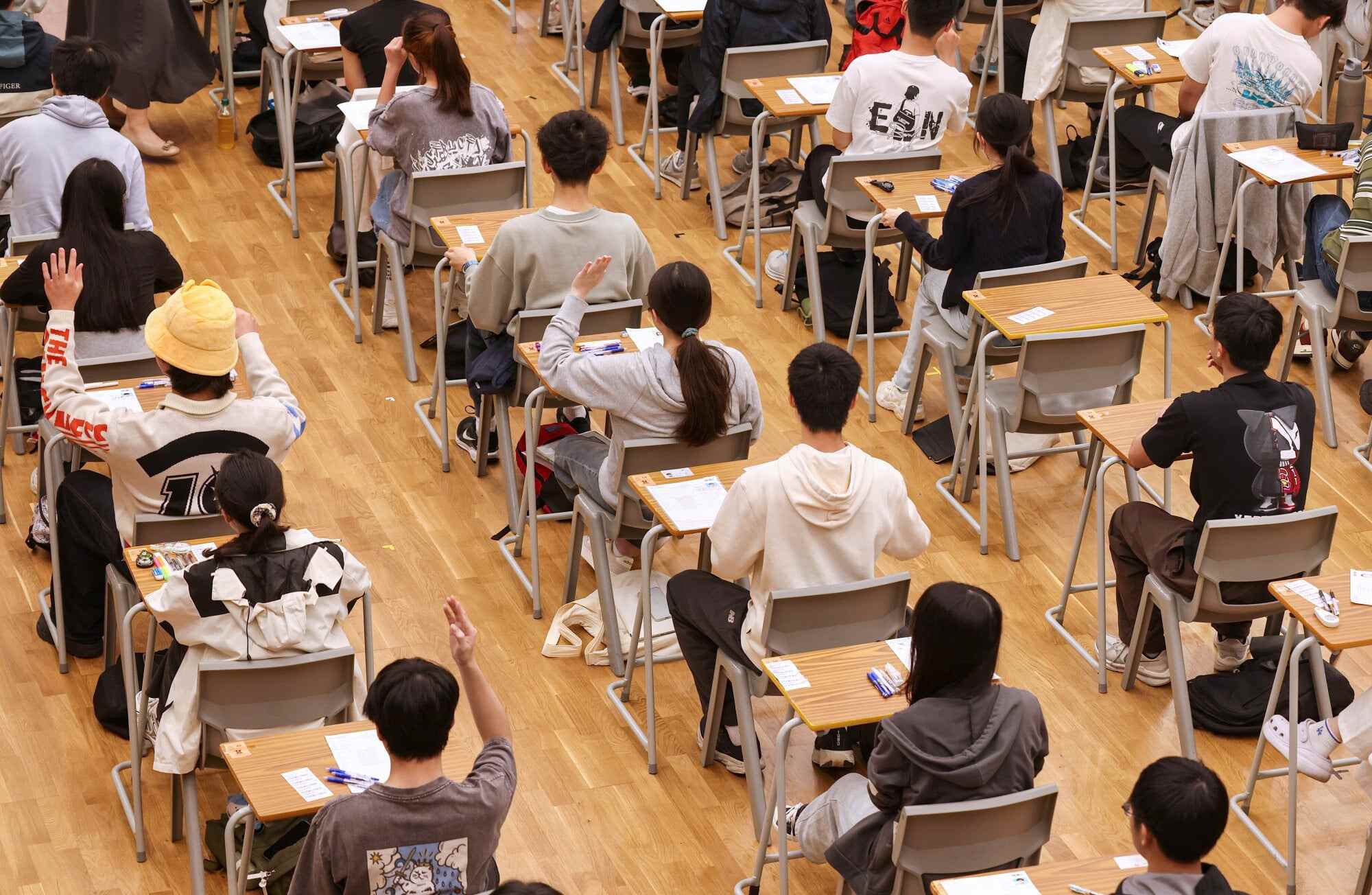
In cultures where academic performance functions almost as a moral category, and where exam results and university placements carry the weight of personal worth, this distinction matters enormously.
For years, the measure of a child was how they compared with other students. That standard has now shifted in a way no teacher or parent quite prepared anyone for.
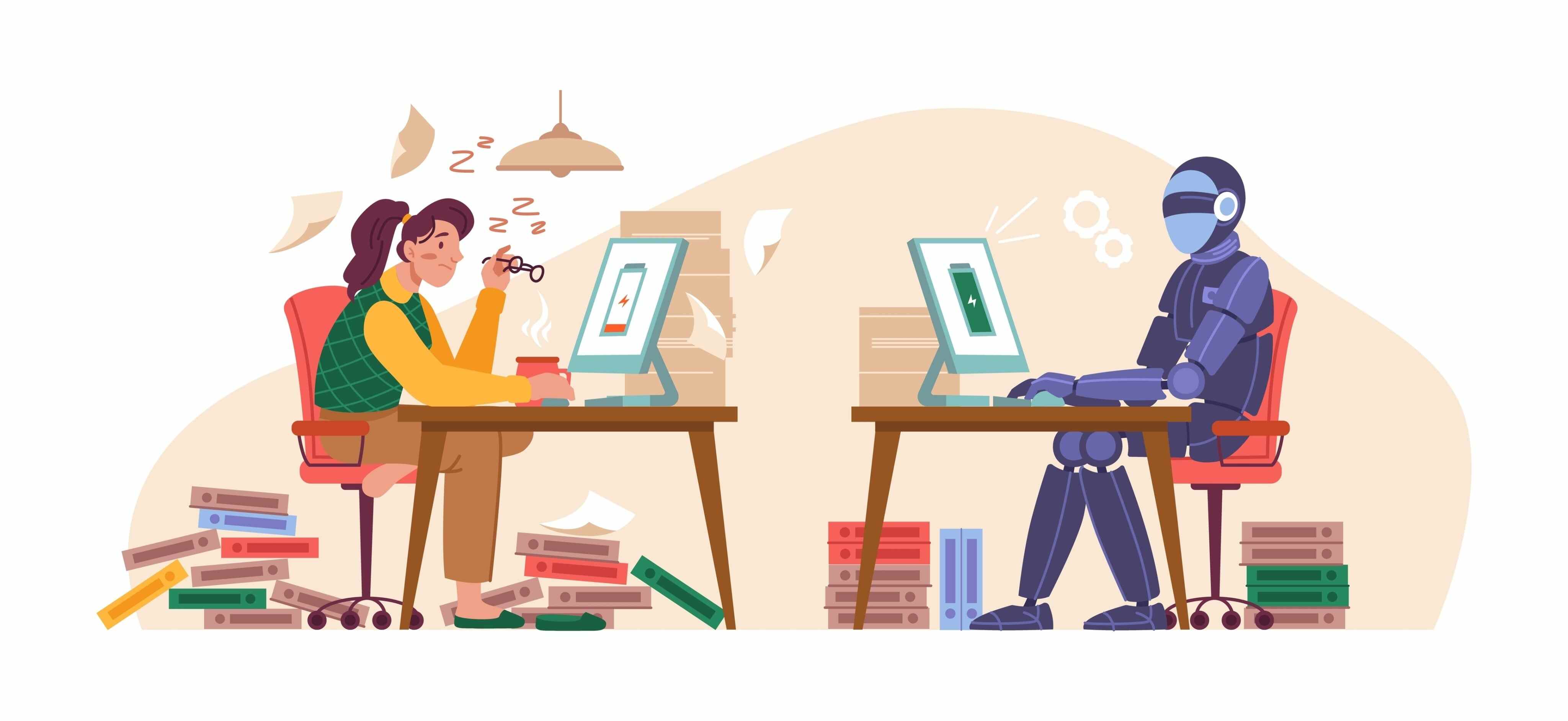
“Now, they are comparing themselves to a machine that never gets tired, never makes human mistakes and knows more than any person possibly can,” Campbell said. “If your identity was built on being the smartest person in the room, AI doesn’t just challenge that. It dismantles it.”
What remains is an uncomfortable question that high-achievement culture rarely makes room for: who am I when I am not performing?

The problem with short cuts
When a student uses AI to generate an essay, they receive a finished product in minutes. What they do not receive is the experience of getting there. That distinction, Campbell argued, is precisely what is being lost.
“The frustration of not knowing how to start, the moment something finally clicks, the experience of turning a half-formed thought into something real: these are not inconveniences on the way to a result. They are the entire point,” she said.
The consequences of skipping that process are more serious than most students realise.
“If these important steps in writing, even [just] an essay, are removed, you are left with a teenager who wilts at the first sign of difficulty, with no experience of working through confusion and no sense of their own competence,” Campbell stressed.
The dependency that follows is self-reinforcing and quiet, Campbell said.
Without the experience of struggle and recovery, students begin to believe they cannot accomplish anything without help: “The cruel reality is that the more they rely on AI to avoid feeling incapable, the more incapable they actually become. It is a loop that tightens quietly over time.”
How to tell when it’s a problem
It is not always obvious. Campbell suggested trying to notice how you feel when you work on your own. If sitting down without AI makes you anxious or feel like you are unable to begin, that is worth paying attention to.
If your own ability to come up with ideas, structure an argument or write an original sentence now feels foreign without assistance, something has shifted. And if you find yourself trusting the machine more than your own instincts, that is a major red flag.
“The question I ask is simple,” the counsellor said. “Are you using AI to go further than you could alone? Or are you using it to avoid finding out what you are capable of? One of those is a tool. The other is a hiding place.”
Finding yourself
It is important to build tolerance for the discomfort of not knowing. Campbell suggested starting small: sit with the blank page without reaching for help for five minutes, then 10. Write down everything you already know about a subject before looking anything up.
She added, “Most teenagers are genuinely surprised by how much they actually know when they stop outsourcing the first move.”
In cultures that reward the fastest, most accurate answer, this feels counterintuitive. But that discomfort, the pause, the uncertainty, the slow work of thinking for yourself, is not the obstacle. It is the point.
“The question is not whether you use [AI]. The question is whether you still exist when you put it down,” she said.