Horror films and their spine-chilling, creepy visuals easily scare us. But nothing truly matches the human imagination. While a film displays frightening images on screen, a book comes to life entirely inside a reader’s head.
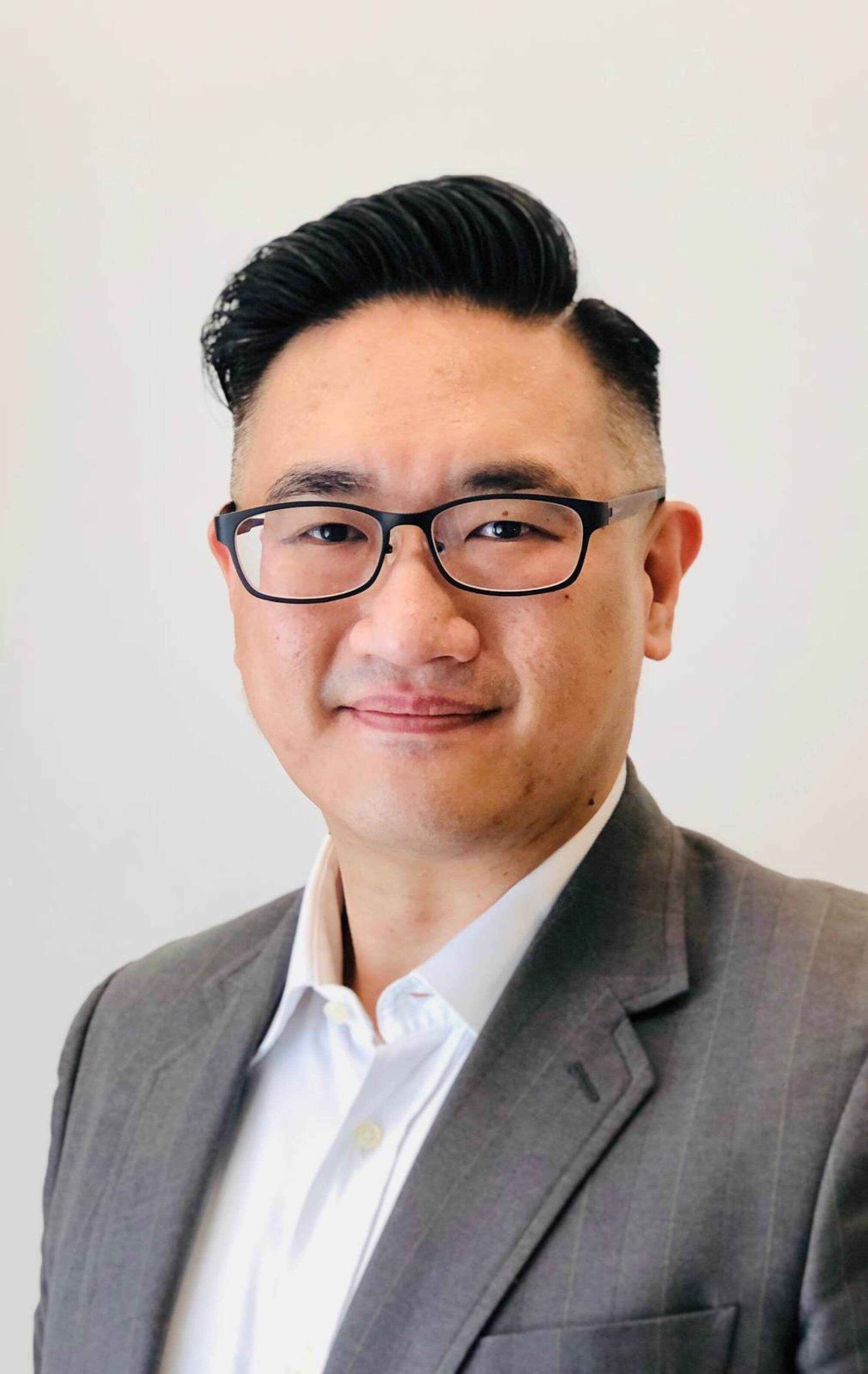
According to clinical psychologist Avis Ngan, reading horror is more than a cheap thrill. The genre also helps teenagers process intense feelings and themes, which strengthens their mental resilience.
“Stephen King once wrote, ‘Fiction is the truth inside the lie,’” Ngan said. “That’s the heart of it. [These] stories provide a safe space for teens to confront emotions and subjects too messy or taboo for normal life.”
You’re the director
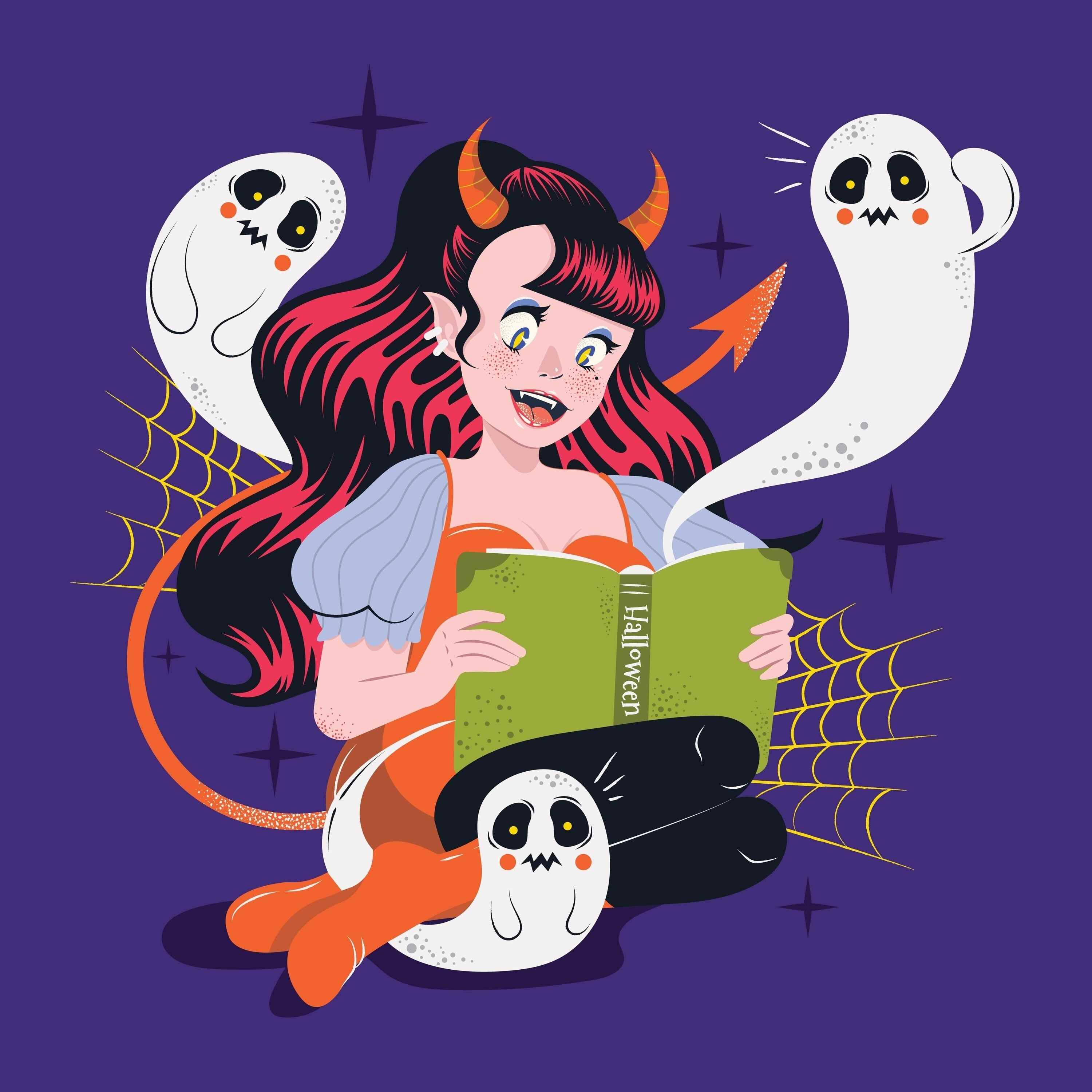
Reading is different from watching a film or playing a video game. When we read horror stories, our brain is the one that generates the images, sounds and atmosphere. In that way, the reader is the director, camera operator and audience – all at the same time.
Ngan is also the founder of Mindsight, a mental health clinic based in Hong Kong.
“Here’s the cool part,” he said. “Your imagination tends to self-regulate. Your mind will unconsciously calibrate the scares to the level that’s intense for you without completely overwhelming you. There’s a built-in sense of control. You set the pace. You can slow down, re-read [and] pause between chapters. You’re in charge of the experience.”
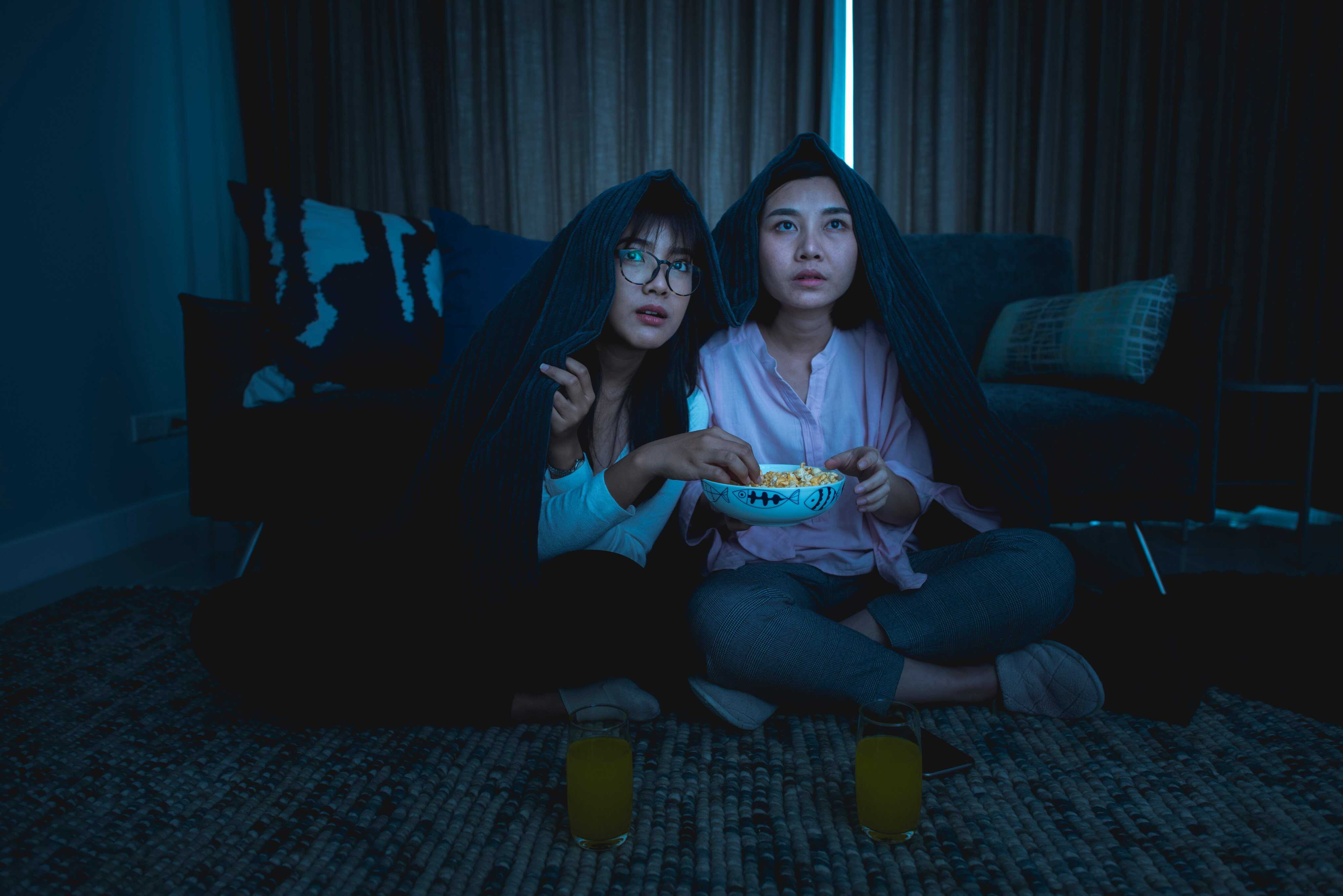
On the other hand, jump scares in films are carefully timed, and the soundtrack is engineered to manipulate the audience’s feelings. This makes watching a film a far more passive event.
Handling heavy feelings
For young people, the horror genre not only provides excitement and stimulation but also allows them to experience powerful feelings safely. Reading frightening stories can help a teenager test their personal limits and whether they can handle fear.
“There’s real brain science behind this too,” Ngan added. “During adolescence, the prefrontal cortex, which is the part involved in abstract thinking, moral reasoning and hypothetical ‘What if?’ analysis, is actively being built and rewired.”
For the first time, teenagers begin to think deeply about serious life topics, such as death, morality, justice and parts of existence that cannot be fully explained.
“These inexplicable parts are what I’d call metaphysical experiences, and horror is one of the oldest literary traditions for exploring exactly these themes,” he explained. “By tackling themes like mortality, evil, loss of control and human nature, the horror genre serves as ground for them beginning to grapple with life’s heaviest questions.”
Reading scary stories also helps build cognitive resilience. As a person reads through terrifying scenes, they build distress tolerance and the ability to handle uncomfortable feelings without being overwhelmed. With time, this teaches the brain that fear and dread can pass safely.
This resilience is reinforced by “affect labelling” or the practice of translating raw emotions into words.
The mental health expert added that simply naming what you feel can help dial down the emotional intensity of a particular scene in the book.
“Reading naturally strengthens this habit. Literature gives us the exact vocabulary we need to identify and calm complex feelings that might otherwise seem vague and overwhelming,” he said.
Reset and recover
But even when we work on understanding our feelings through reading, a genuinely terrifying book can still make it hard to fall asleep.
Ngan suggested resetting the mind before bed by spending 10 to 15 minutes on a lighthearted activity such as watching something funny or chatting with a friend.
“When a scary story sticks with you, it’s often because your nervous system hasn’t fully got the memo that the threat isn’t real,” he explained.
One way to calm down is to slow your breathing: inhale for four counts, hold for four and exhale for six. This helps signal to the body that danger has passed.
Another trick is to rewrite the creepy parts of the book and make it amusing. You could make the ghost trip and fall over or have a villain be scolded by a family member. It sounds silly, but it is effective.
“What you’re doing is taking back authorship and shifting your brain from a reactive, fearful mode into a creative one,” Ngan said. “That’s the gift of scary fiction. It takes the stuff we’re told not to think about too much and says: let’s think about it. Let’s feel it. Let’s see what we discover.”