Difficulty: Summiteer (Level 3)
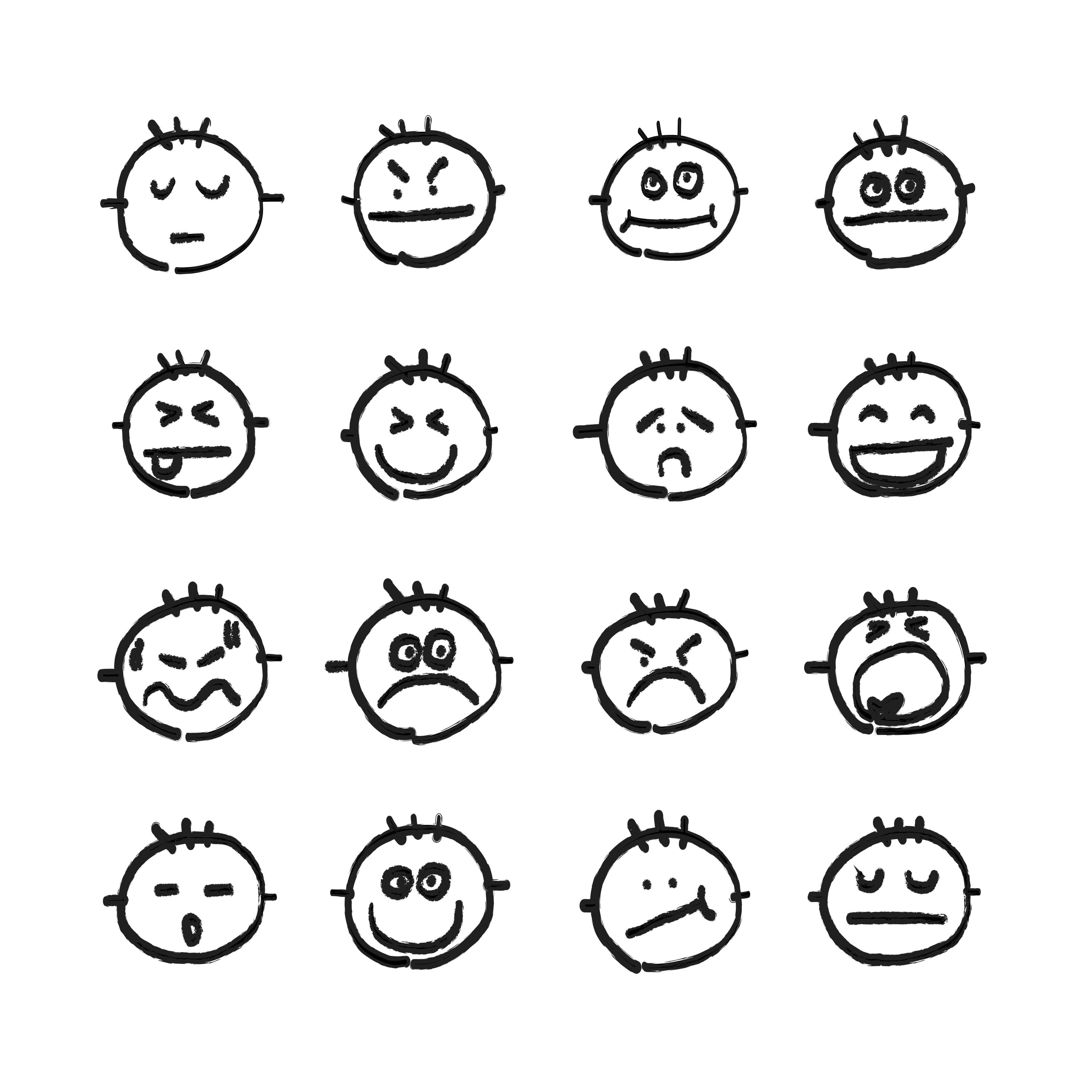
When pupils in one primary school in Hong Kong’s Tai Po district struggle with their emotions, they use colours to express themselves.
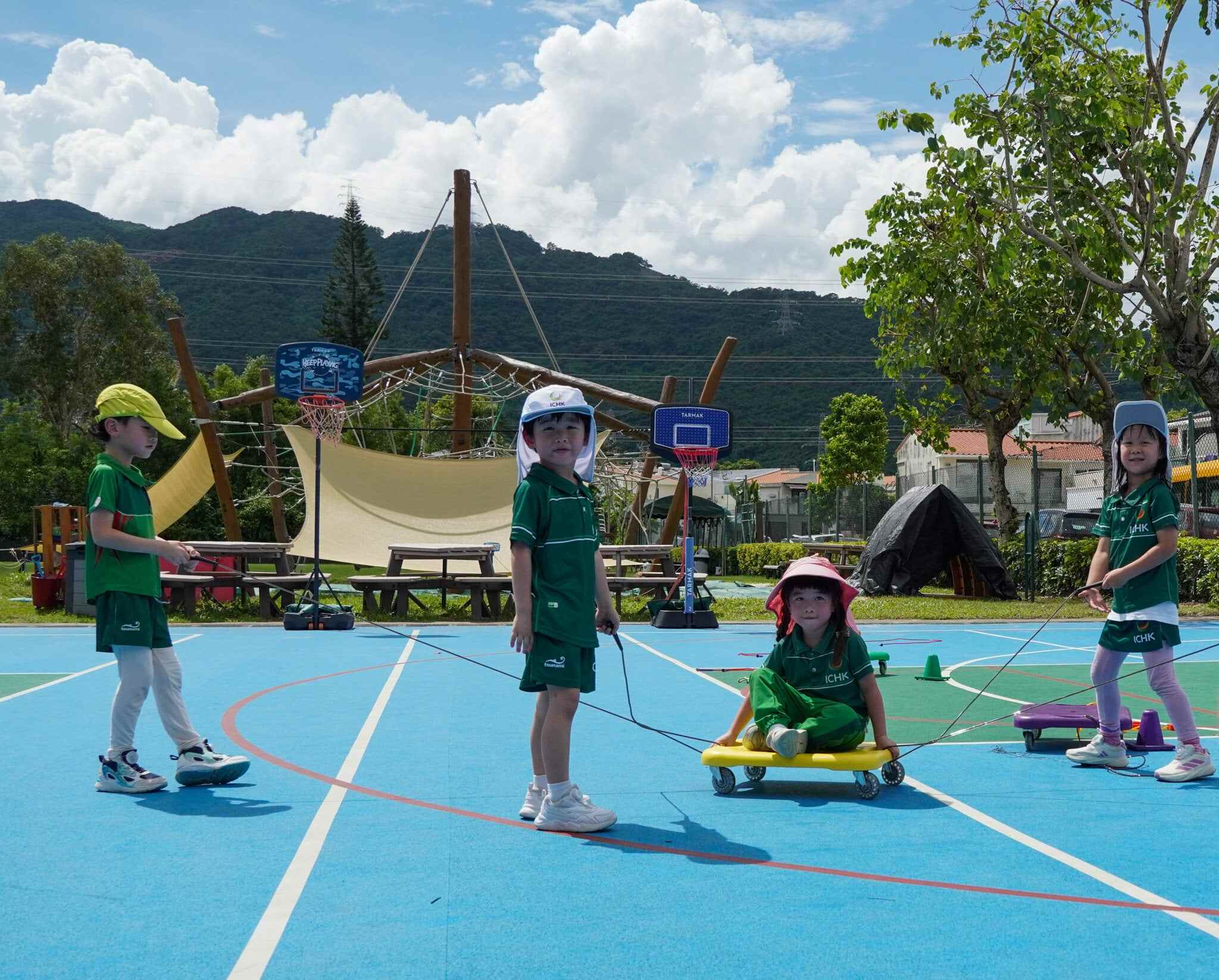
At ICHK Hong Lok Yuen (Kindergarten & Primary), the children were taught to use blue to point to sadness or tiredness. Green is for focus. Yellow is for worry. And red is for feeling out of control.
After identifying their emotions, pupils learn how to regulate them.
For example, a student might tell a teacher: “I think I’m in the yellow zone now. Could I have some time outside?”
This system was inspired by the “Zones of Regulation”. Principal Derek Pinchbeck said it gave students “a common language they can use to share their emotions”.
“To really self-use and internalise [the ‘zones’] is difficult for some ... [but] the general language is something that is easy ... to comprehend,” he said.
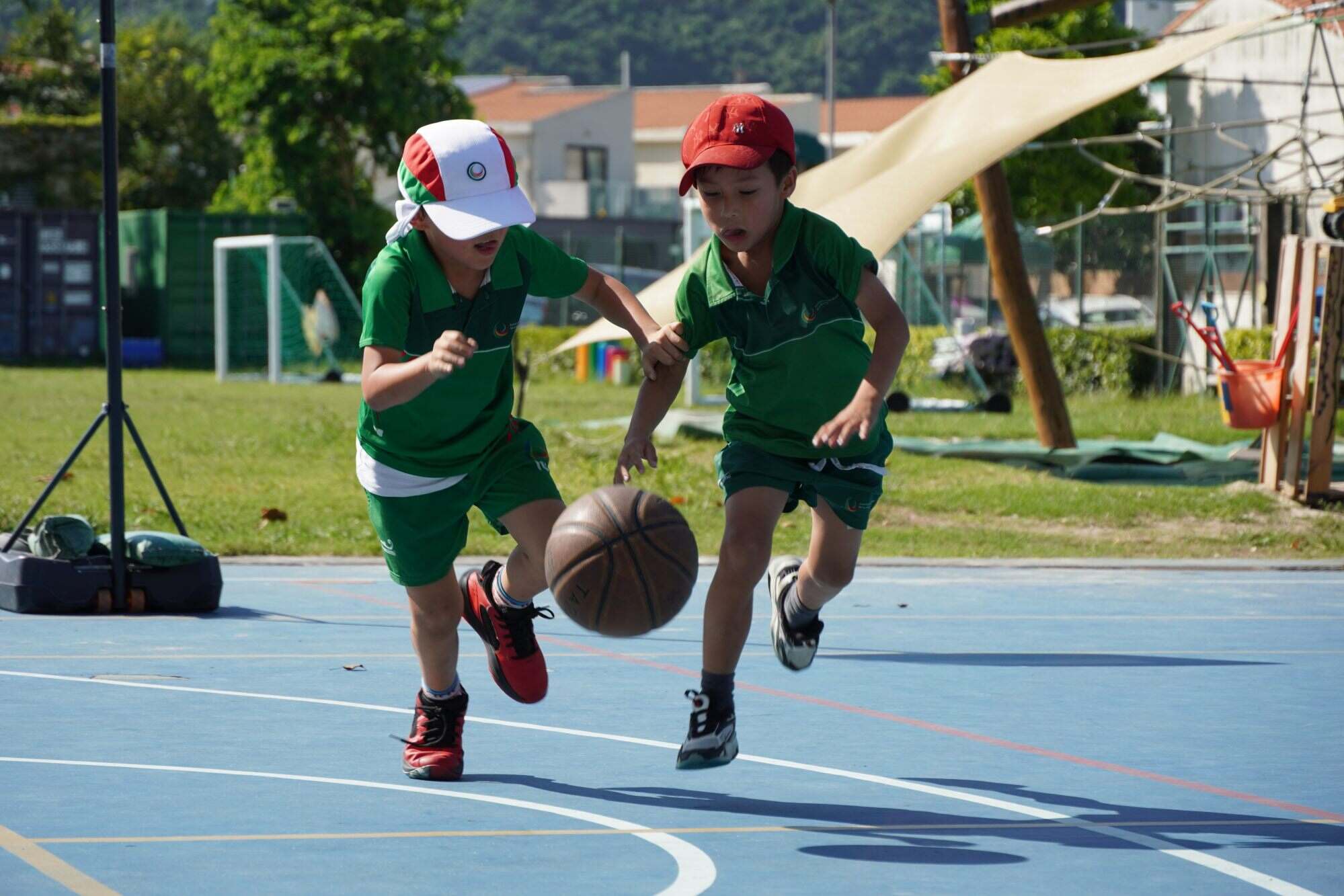
The primary school was honoured in July when it became one of the city’s champions in the AIA Healthiest Schools Competition. The two winning Hong Kong schools each received US$50,000 (HK$392,000) to support their well-being programmes.
Promoting health across Asia
The AIA Healthiest Schools Competition is open to primary and secondary schools across the Asia-Pacific region. It encourages physical health, mental well-being and sustainability. This includes healthy eating, active lifestyles and mental health awareness.
Hong Kong True Light College took the top spot in the Hong Kong secondary school category.
Both of the winning Hong Kong schools advanced to the final event in Thailand, where they had the chance to win US$100,000.
Indonesia’s SMP IL Kapten Fatubaa was crowned the winner for its “Huka Upcycling Project”. In it, students learned to turn banana peel waste into ice cream and fertiliser.
Holistic well-being
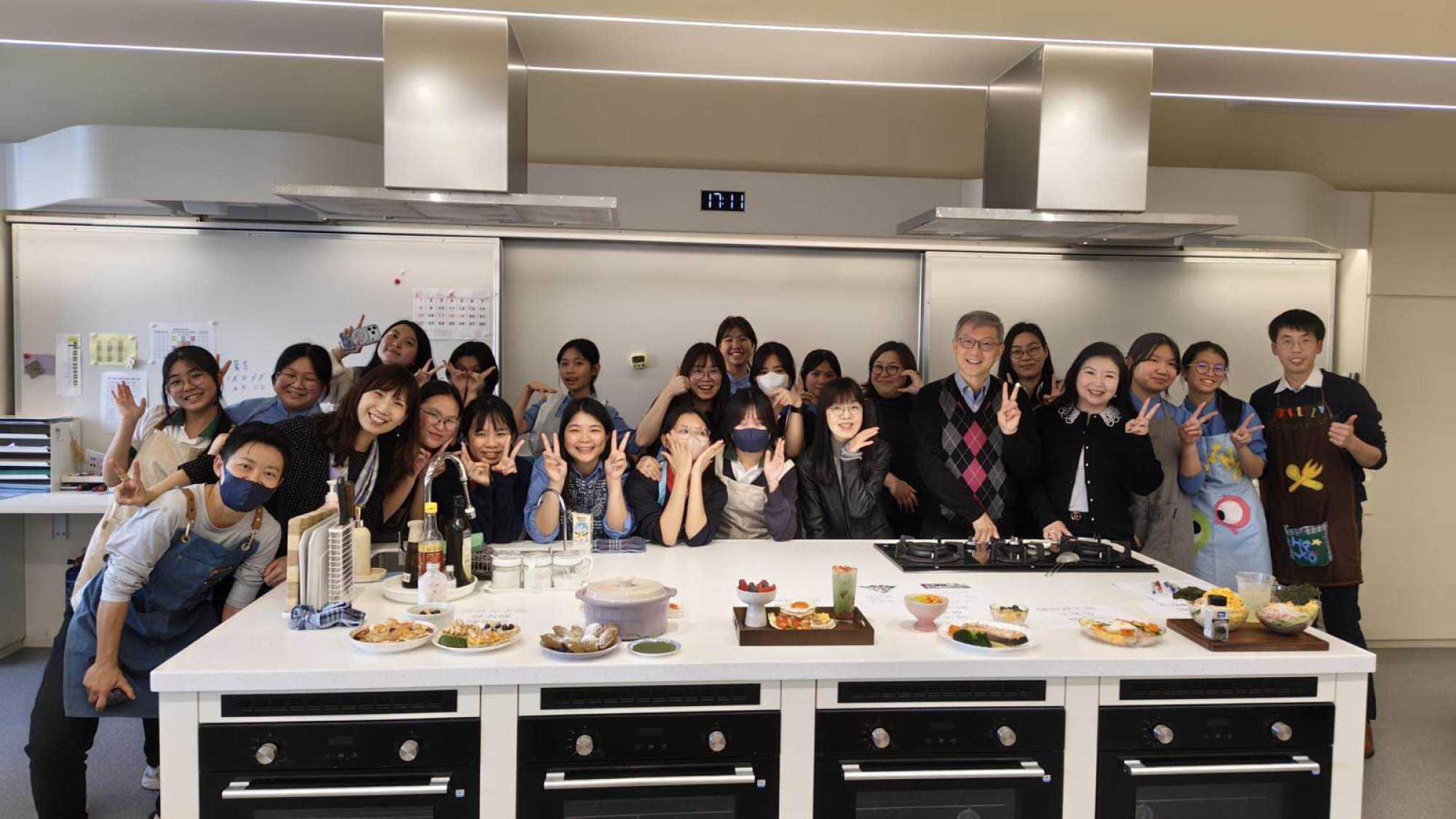
Secondary school Hong Kong True Light College won for its “Embrace Health, Empower Your Mind” programme.
Principal Tammy Law Chor-wan called it a “whole school approach ... [combining] mental health education, regular physical activities and student-led campaigns”.
The key was ensuring that every student found a programme they wanted to join.
The school aimed to create something for everyone, from student-teacher competitions and inter-class sports to cooking classes and latte art workshops.
“For dancing, we have traditional Chinese dance, but we also have K-pop dance. For singing, we have the choir, a cappella and pop singing,” Law said.
The school said the programme led to an overall increase in students’ mental health scores on an Education Bureau questionnaire.
Law said the grant would fund student short films about interpersonal relationships and healthy living.