Content provided by British Council
[1] The Chinese e-commerce company JD.com is speeding up its efforts to use robots and automation. They plan to make their logistics network, which is how they deliver products all over the country, more automated. At the same time, they are promising to help train their delivery workers to take on new technical jobs as machines begin to handle more of the frontline duties.
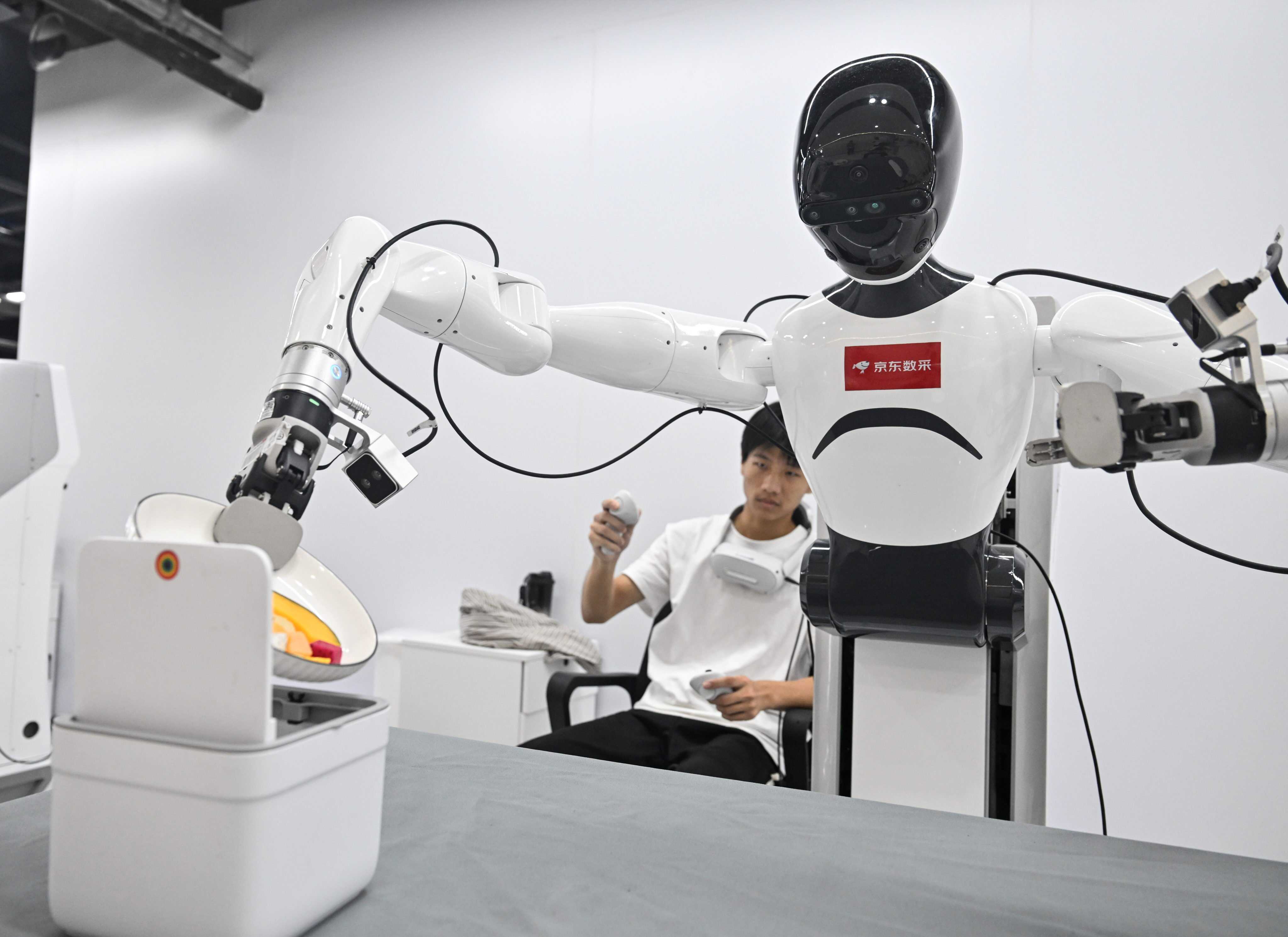
[2] Earlier this month, at an event in Beijing, the logistics arm of the company showed off its new series of industrial robots called the Wolf Robot series. Over the next five years, JD Logistics plans to buy 3 million robots, 1 million vehicles that do not need drivers and 100,000 delivery drones. This plan is to create a fully automated supply chain, according to Cao Peng, who is the chairman of the company’s technology committee.
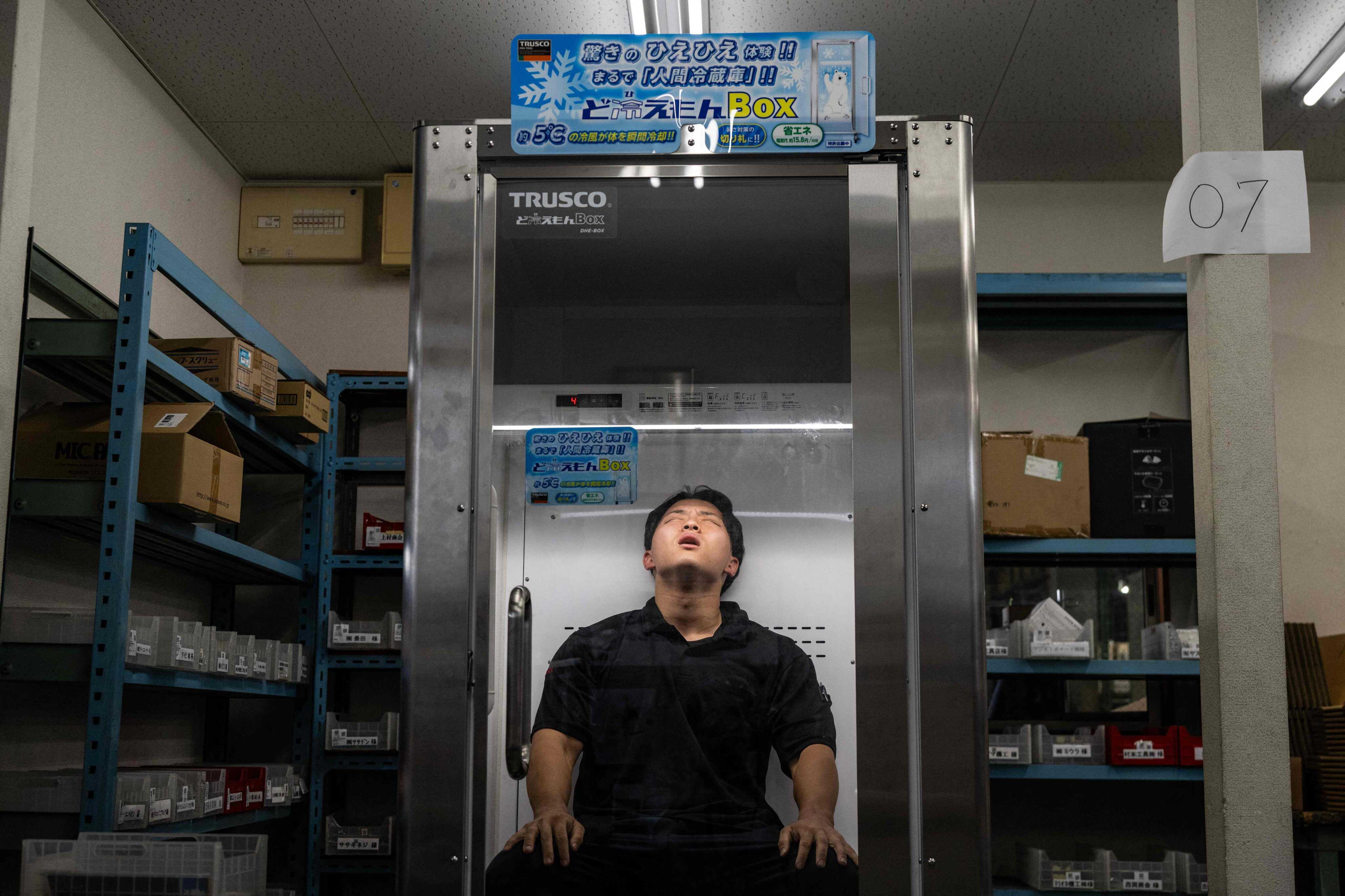
[3] The Wolf Robot system is made to handle repetitive and hard jobs while working in tough conditions. It can pick up, sort, move and deliver items with very little help from people, according to Liu Lige, who leads the team that works on robots at JD Logistics. The collection of robots has special units that can work in very cold places, even when the temperature is as low as minus 20 degrees Celsius. This group also includes robots for delivering medicines and drones for making deliveries, Liu mentioned.
[4] The fast move towards automation is happening while JD and its partner companies still have around 700,000 delivery and logistics workers. To tackle worries about job loss, the founder Liu Qiangdong explained earlier this year a plan called the Nirvana Plan. This plan aims to retrain delivery workers and warehouse staff so they can learn new skills for technical jobs, like fixing and taking care of robots. This way, the company can keep its frontline workers even as automation becomes more common.
[5] JD is planning to use its many warehouses, retail stores and pharmacies to collect over 10 million hours of real-world data about how things work, according to Cao. The company also wants to set up more than 80 RoboBase hubs all over China. These are hubs that will focus on research in robotics, testing new production methods, labelling data, upgrading equipment and maintaining machines.
[6] To support the heavy computational demands of this ecosystem, JD recently signed a deal with Chinese chip designer Moore Threads to build a computing cluster powered by 100,000 domestic chips. The cluster would be used to train and run artificial intelligence (AI) models, as well as embodied AI applications. It will also help JD integrate domestic chips into an AI development pipeline that spans data collection, model training, simulation and deployment, according to the two companies.
Source: South China Morning Post, September 9