In a room, artisans carefully measure a wooden plank. Then, they chisel the surface with blades to shape the piece. This process delicately takes parts of the wood away and, along with it, the chance to “undo” any mistake.
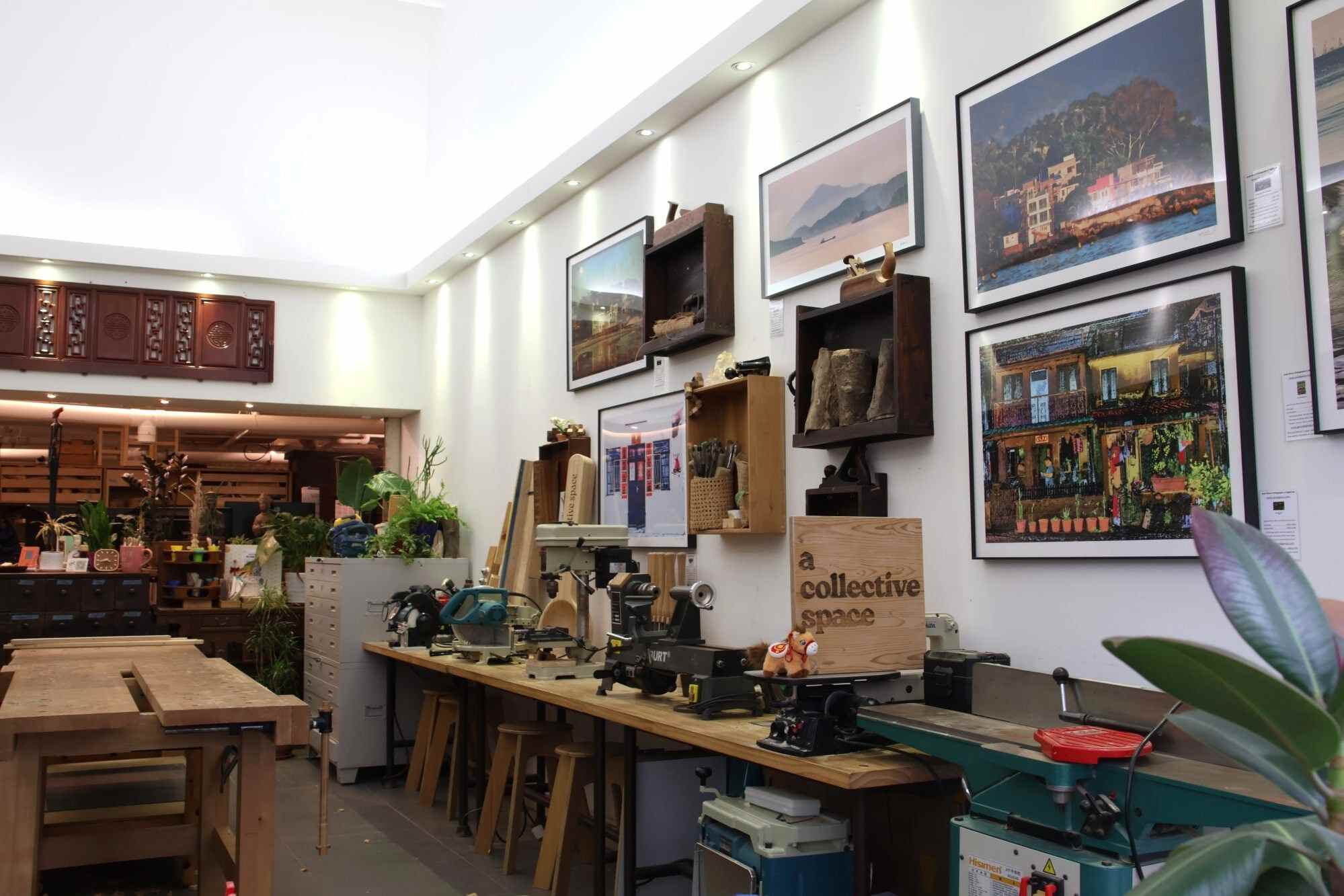
This is woodworking at A Collective Space, stylised in all lower case. The collective was founded by Emmy Sandt and Sne Roy and runs crafting sessions that merge creativity with wellness.
For Sandt and Roy, woodworking is more than just making furniture. The craft also allows a person to embrace their missteps and blunders.
“In woodworking, some mistakes are irreversible. You can only start again,” said Roy, the director of programmes. “It’s OK to start over from scratch. It doesn’t mean I wasted my effort. It actually means I perfected my skill.”
Deeply therapeutic
Roy, 35, and Sandt, 33, officially launched the collective in 2023. Together, they are carving out a community through workshops and collaborations with schools and NGOs.
Sandt, head carpenter, was born and raised in Hong Kong to Finnish parents. She said woodworking helped her through a tumultuous time between 2019 and 2021.
“I found woodworking deeply therapeutic,” Sandt said. “It was really my way to ground myself and to feel less dislocated from the world.”
Her partner Roy is originally from Kolkata in West Bengal, India. She moved to Hong Kong as a child and eventually worked in counselling.
Sandt introduced Roy to woodworking. They fondly recalled building Ikea furniture together. They even made home furnishings by upcycling discarded items.
Like Sandt, Roy found the process healing. And behind the wood grain, their relationship was changing. As they built together, the pair got closer: “We got to know each other at a different level,” Roy explained.
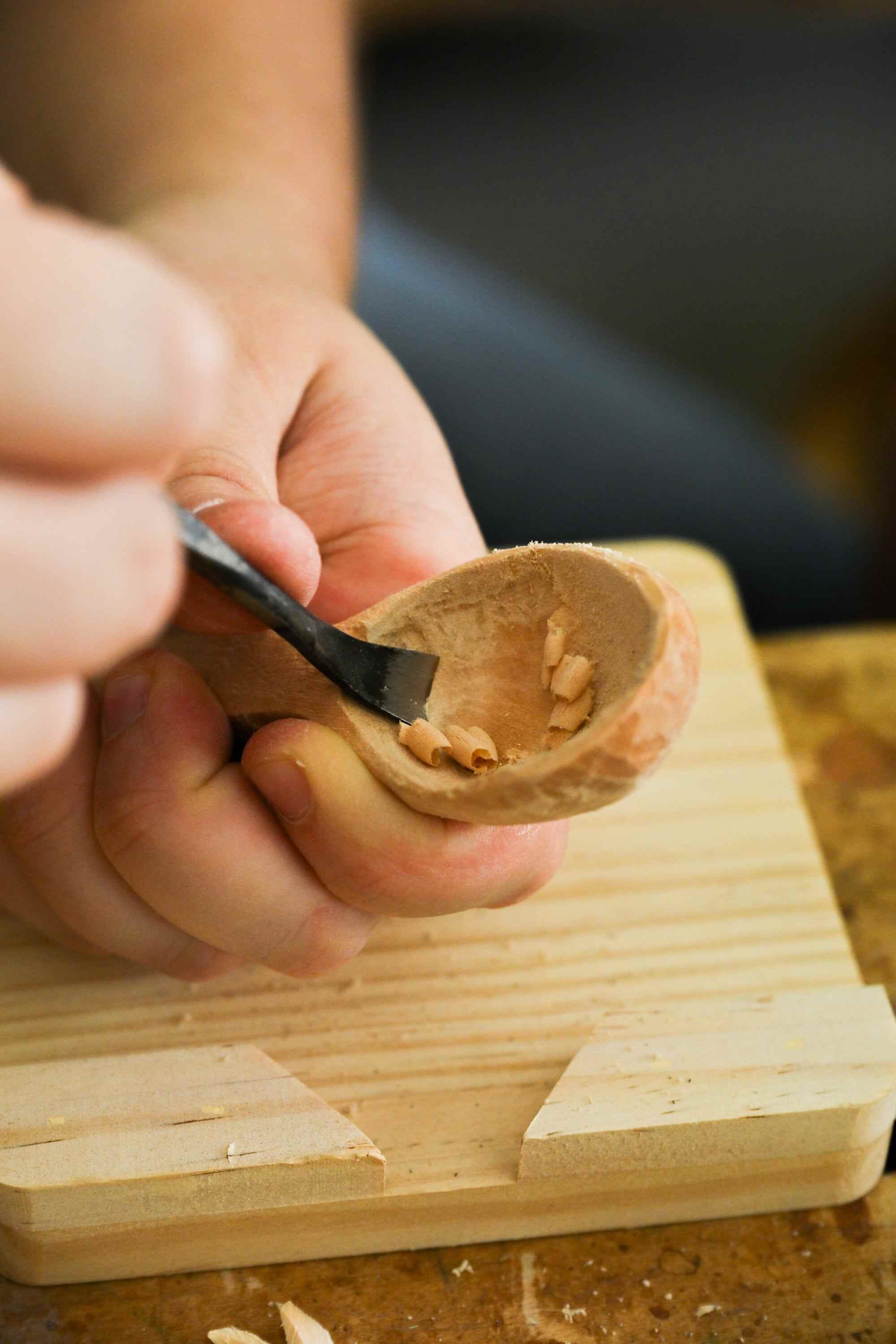
Women who woodwork
Sandt’s carpentry journey was influenced by her father. He enjoyed fixing and building things himself.
“It was always in my head that if you want to make something, it is possible,” Sandt said.
But becoming a female carpenter in Hong Kong was not simple. In Finland, Sandt said, it was no big deal to find women in male-dominated spaces and roles. In Hong Kong, there were “clear gender norms” in certain industries, she said.
Sandt’s abilities were often questioned. But years into her career, she is more than capable without a man’s help.
“One thing that I always kind of harp on about is that women can do physical things,” Sandt said.
Challenging gender stereotypes also extends to women taking on roles traditionally filled by men.
“Women’s leadership is sometimes considered to be more gentle and kind,” Roy explained. “Of course, we should be kind, but you … can be confident and forceful and that’s OK. That doesn’t make you aggressive.”
Room for human connection
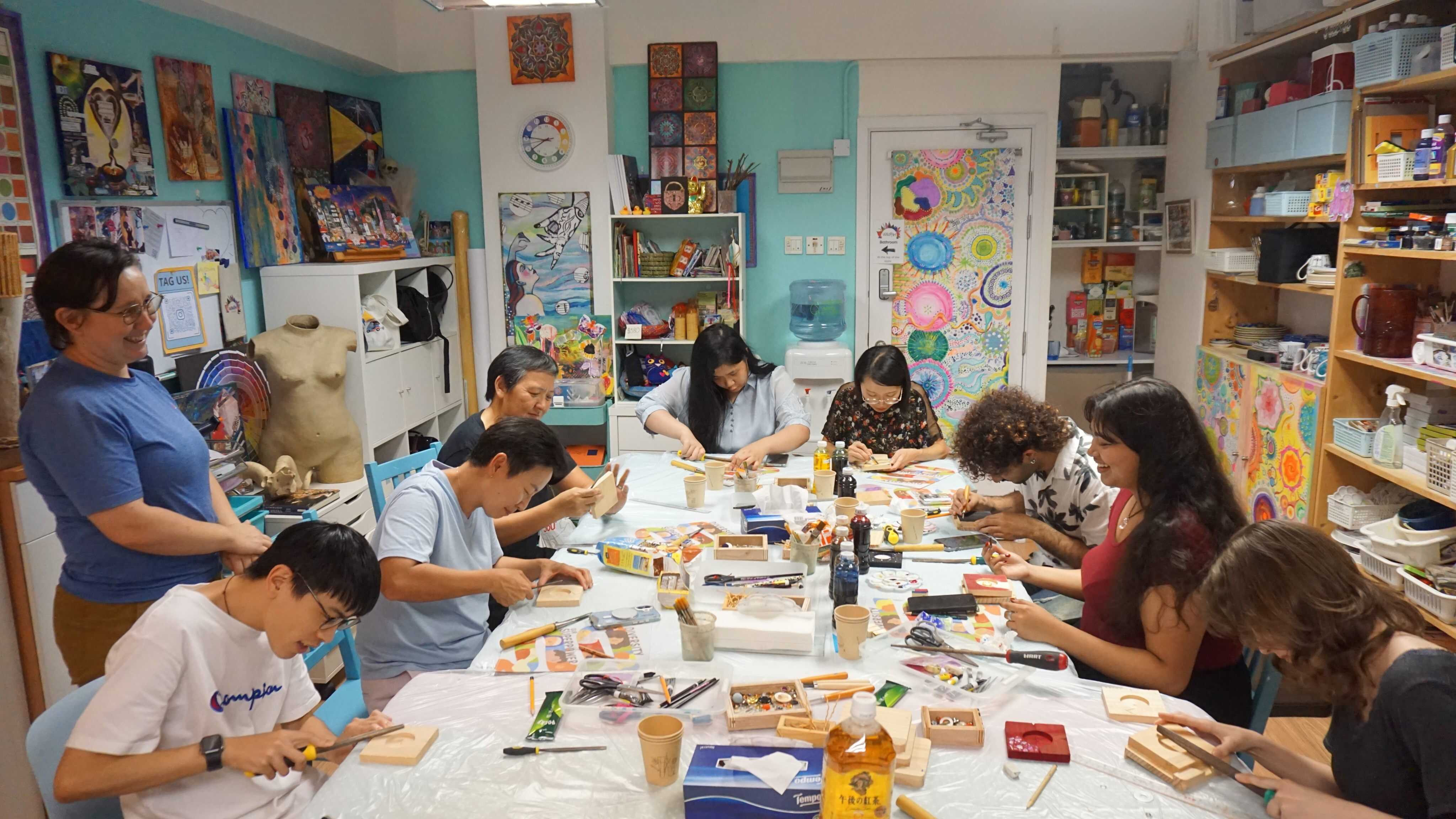
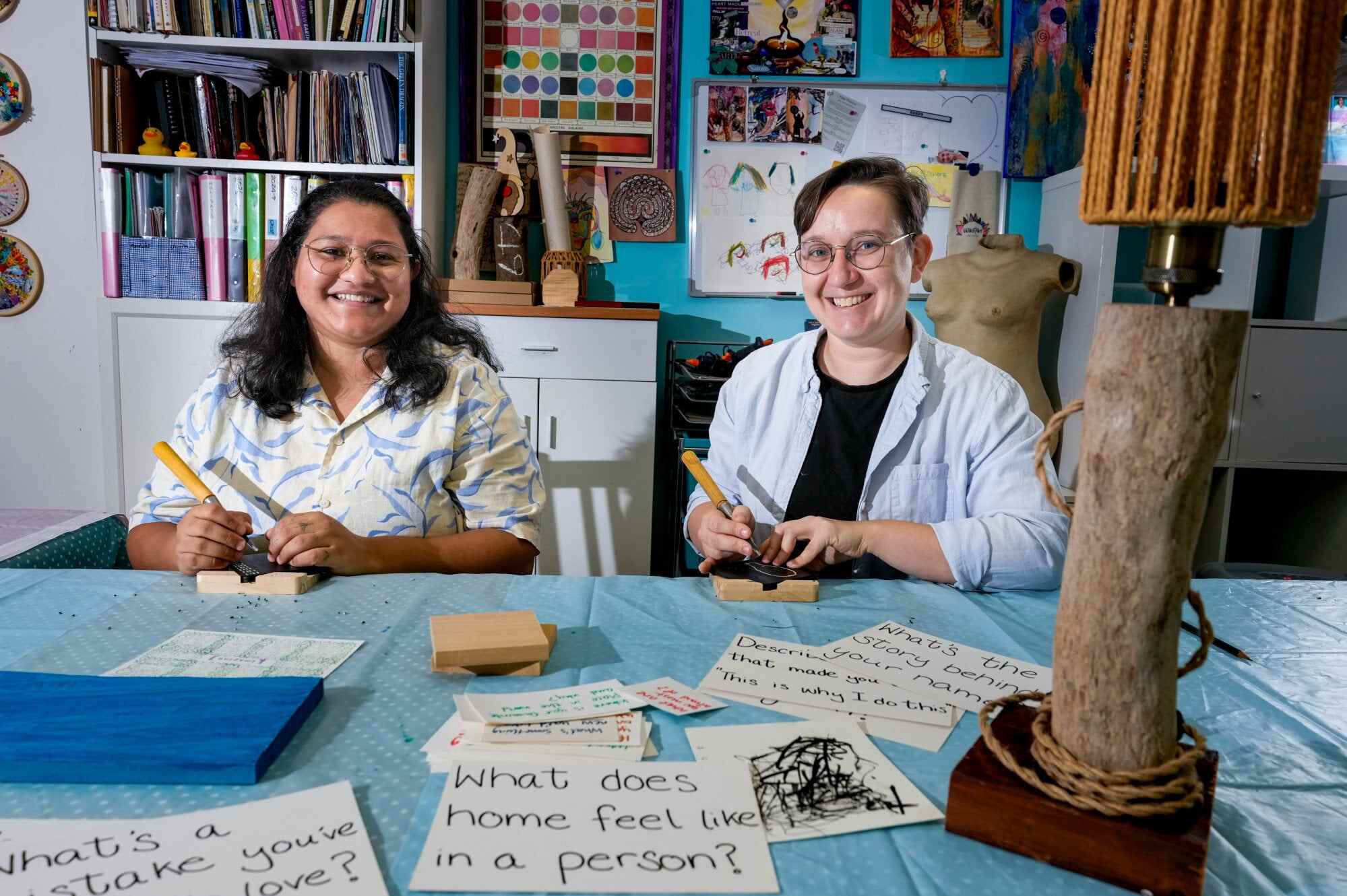
Every month, the collective organises two sessions of “Crafts & Yaps”. The informal gatherings bring about 10 people together to chat while they craft.
As they work with their hands, Roy guides the conversation. The questions are designed to help the group open up.
Roy and Sandt came up with the idea last year, after they found many people were hesitant to join formal events. They had “performance anxiety”.
“A lot of people said they would like to come but were too afraid to attend a public workshop,” Roy said. “I hope that they feel seen and heard while they are here.”
Some Crafts & Yaps participants have told the pair they stayed connected with others from their session.
Sandt said she hoped they were able to think back on the “one tiny little thing” they had made in the workshop.
“I can’t change [societal] pressure … but I can give you a space where you can laugh and just have fun,” Roy said.