Have something to say? Send us a letter using this form.
Fighting food waste
Renee Lam Wing-yau, Pui Kiu College
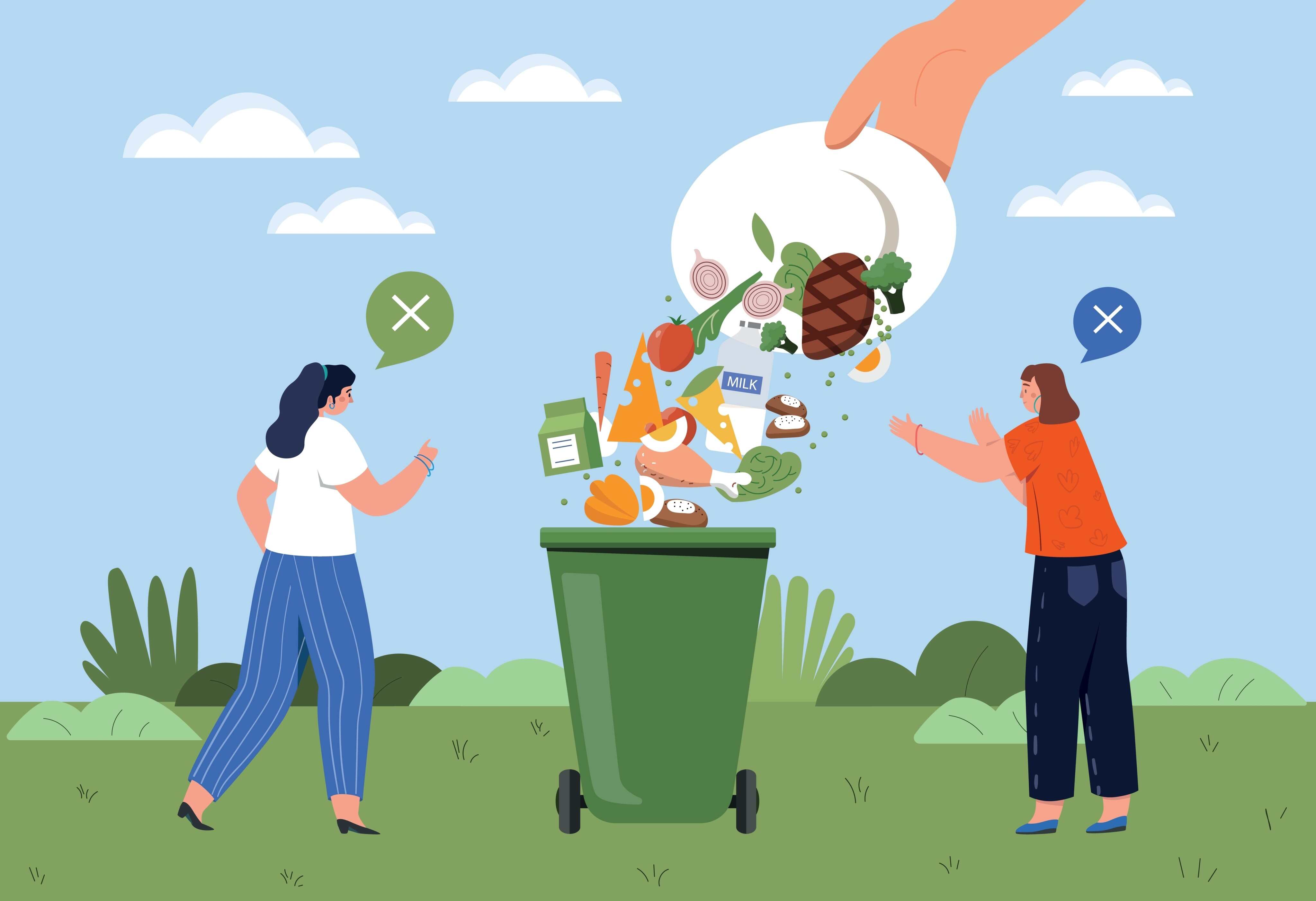
Food waste hurts the planet and our wallets, so why do we do it?
One reason is a lack of awareness. Many people do not realise how much food is wasted or how it harms the environment.
Without understanding the consequences, they may not prioritise waste reduction. Education can show how food waste adds to greenhouse gas emissions and drains resources.
Another reason is convenience. In a fast-paced world, convenience often comes first. Prepackaged foods and large portions can
lead to leftovers that get thrown away. The push for quick meals can overshadow planning and mindful consumption.
Habits play a role, too. Many people throw out uneaten food rather than store or repurpose it. This can come from low motivation to cook creatively or the perceived hassle of meal planning. Changing this mindset means building a culture of responsibility and making small, manageable shifts in daily habits.
Encouraging mindful consumption, improving education, and fostering responsibility can cut food waste in a meaningful way. If we start now, we can build a more sustainable future that benefits both the planet and our wallets.
Crucial role of pets
Cherry Lau Wai-chun, Tsuen Wan Government Secondary School
I am writing in response to the article “The crucial role of pets,” published on May 3, 2025.
I would like to highlight the crucial role that pets play in our lives, particularly in fostering emotional well-being and enhancing our quality of life.
As we navigate the complexities of modern living, the companionship of pets has become increasingly significant.
Research has shown that pets can reduce stress and anxiety. The simple act of petting a dog or cat can release oxytocin, a hormone associated with bonding and happiness. This therapeutic effect is vital in today’s fast-paced world, where mental health concerns are on the rise.
Moreover, pets encourage physical activity and social interaction. Dog owners engage in regular walks, which not only promotes fitness but also creates opportunities for socialising with other pet owners.
Pets provide unconditional love and companionship. For many, they serve as family members, helping to alleviate feelings of loneliness and isolation. Their presence can make a significant difference, especially for the elderly or those living alone.
Protection against cybercrime
Isaac Au Tsz-lok, Po Leung Kuk Ho Yuk Ching (1984) College
Our online world is growing at a rapid pace, so we need to learn about cybercrimes, such as the sharing of shocking content and grooming.
Children are being exposed to predators and so-called “core videos,” which harm brain and mental health development. With a single click, children can be put at risk. They could see things they aren’t supposed to or virtually meet those who don’t have their best interests in mind.
To prevent child abuse, improving security is essential. By enforcing strict policies and terms of use that require age verification on apps and browsers, we can make the internet safer for people around the world, especially children.

Art and mental health
Kennis Ho, Pope Paul VI College
Art can improve mental well-being. This matters now, when so many people feel stressed or lonely.
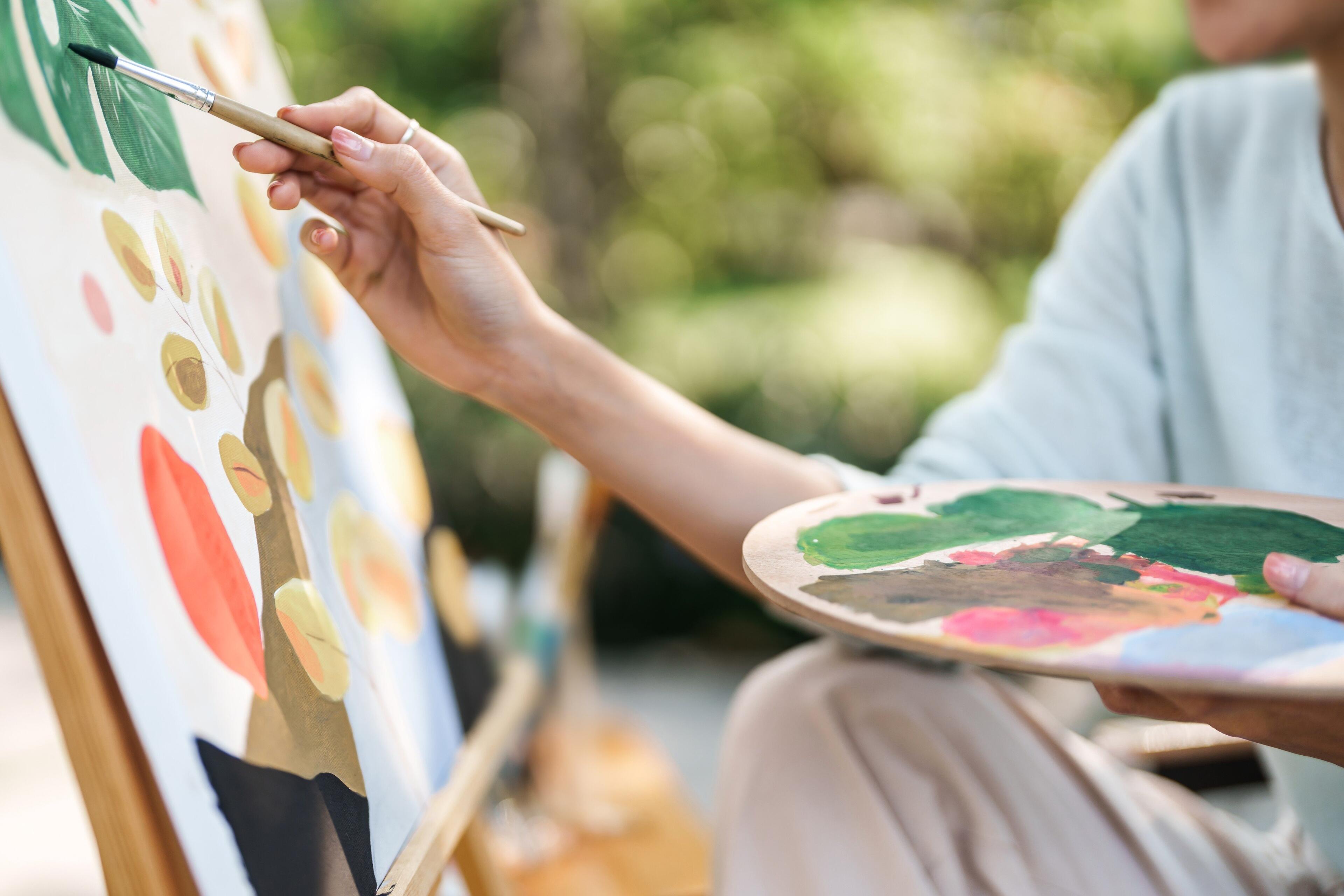
Art can be a release and a safe place. Creating art, such as drawing, writing a short piece, or playing a simple song, allows people to express feelings that are difficult to put into words. Even just enjoying art, like looking at a painting, listening to a song, or watching a play, can slow the rush of daily life. It helps us focus on the moment and feel connected.
I’ve seen the effect firsthand. A friend who felt down found calm by making clay pots, which quieted busy thoughts. Another shy person used painting to manage stress. These small art moments help, alongside other mental health support.
Yet community, school and mental health art programmes often lack funding. That is a problem, because art is affordable and helps many people, including those who may not seek other kinds of help.
We should treat art as a key part of mental wellness. Let’s support more accessible art spaces so everyone can find comfort in art.