Have something to say? Send us a letter using this form.
Dangers of deepfakes
Timothy Ng Wing-ho, GCC & ITKD Lau Pak Lok Secondary School
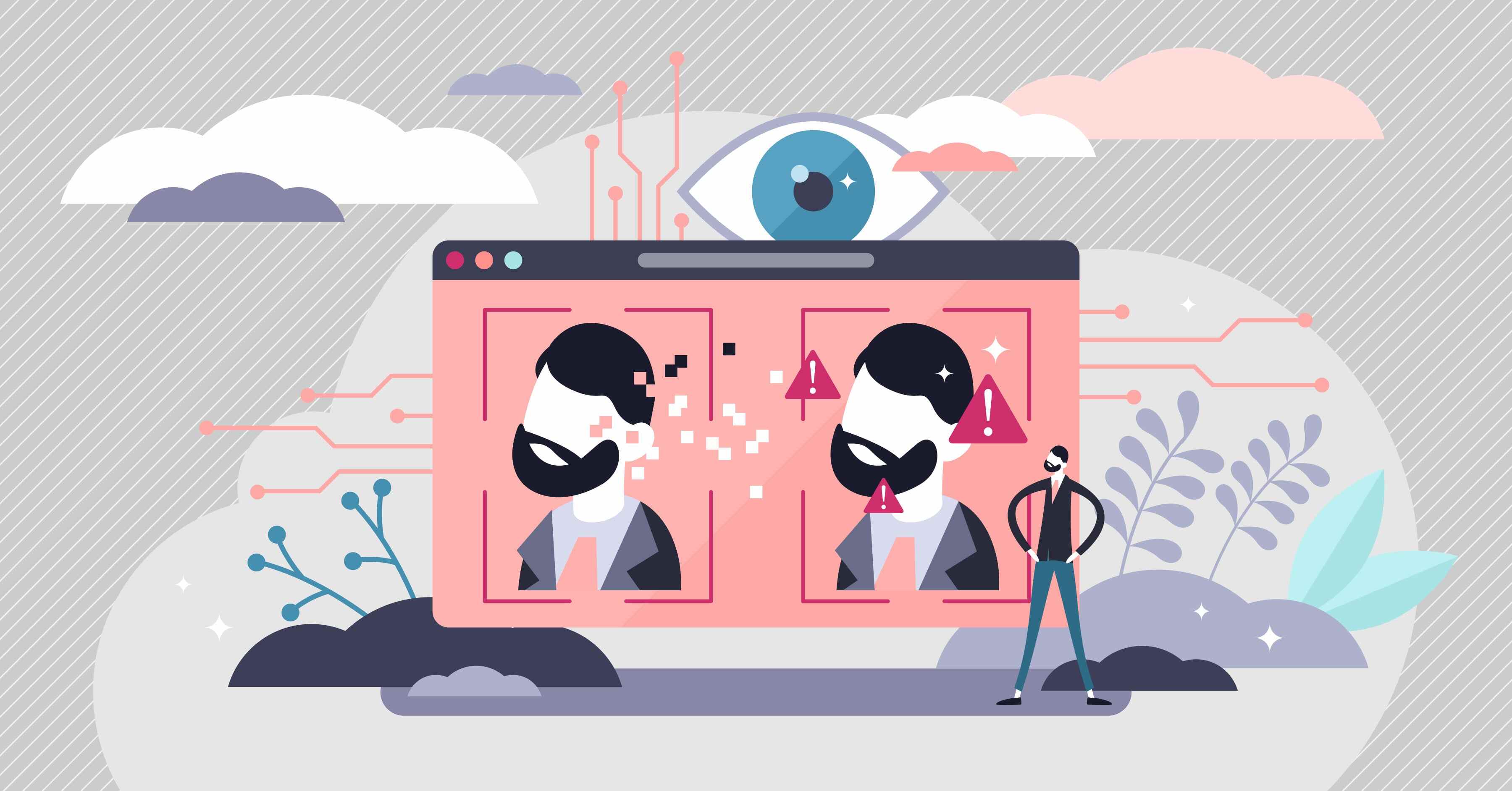
Deepfakes pose a threat to education. Unless schools take proactive measures, the threat of deepfakes will worsen.
Many teenagers dismiss artificial intelligence (AI) image manipulation as a harmless joke and fail to recognise it as cyber-harassment.
But these “jokes” can spread like wildfire, leaving a digital footprint and harming the victims. It is important to promote information literacy to counter this dangerous, misleading concept.
Not only does AI image manipulation violate others’ privacy, but it also causes psychological distress in secondary students during their critical formative years.
Victims often suffer from anxiety, public humiliation and social isolation due to misleading information on social media. Educators must implement school-wide preventive measures to foster a safe digital environment. Lessons about AI and deepfakes could be added to computer science classes.
Tackling deepfake misuse requires a collective effort between students and teachers. If we incorporate information literacy into our curriculum and raise awareness of how deepfakes can negatively affect us, schools can effectively support students’ mental health and well-being.
Hong Kong’s low birth rate
Bella Yuen Ying-kwong, Carmel Alison Lam Foundation Secondary School
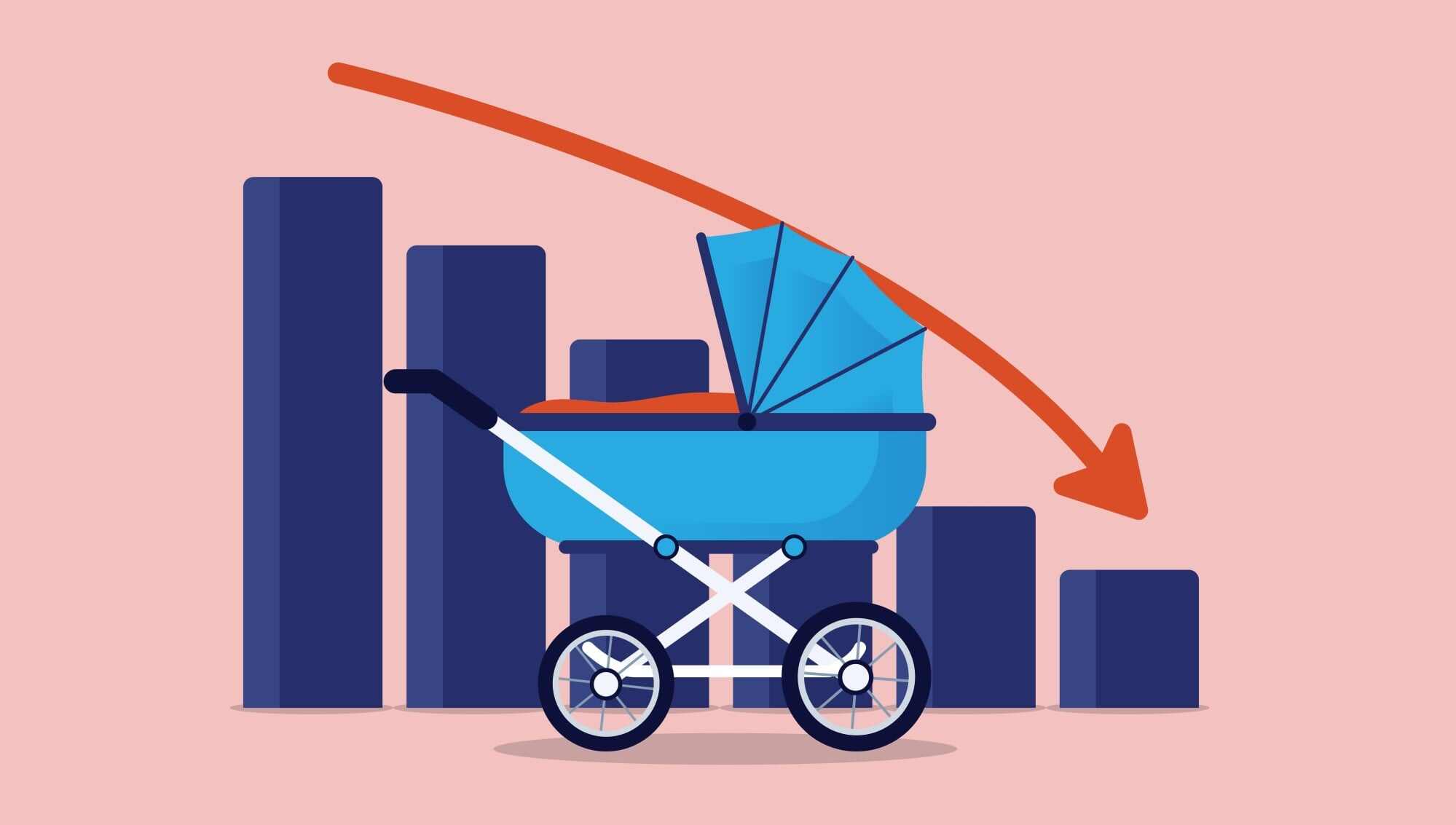
Hong Kong’s latest policy address included a number of measures aimed at boosting the birth rate. Fewer people are choosing to have children these days. I believe there are two main reasons for this.
First is the rise of the marriage-free lifestyle. Young people feel that marriage ties them down and that having kids means giving up their freedom and personal space. They prefer to stay unmarried and are less willing to take their relationship to the next level.
This leads directly to the second reason. Nowadays, people believe that animals can be treated like children. Many couples now choose to raise pets rather than human babies, as raising a child requires a massive financial investment, whereas the cost of raising a pet is significantly lower.
Although the measures introduced in the policy address may boost the birth rate in the short term, the government must consider how people’s mindsets have changed in order to make a lasting impact.
Bilingual benefits
Liz Meng, Fukien Secondary School
Have you ever wished you could talk freely with people from another country, or read foreign books without relying on a translation? Learning a second language offers more advantages than people realise.
First, mastering a second language enables us to connect with diverse cultures. Language is not just a set of vocabulary and grammatical rules; it also reflects the beliefs, traditions and daily life of its speakers.
By learning another language, we can communicate directly with local residents, watch original films and read books. We can bridge cultural gaps and broaden our global vision.
Being bilingual also benefits our brain in many ways. Research shows that people who speak two languages constantly switch between different language systems.
This process trains the brain, enhances memory and improves our ability to focus and solve problems. Studies also suggest that people who are bilingual may keep their minds sharper as they age.
Learning a second language is a valuable and lifelong investment.
It broadens our cultural horizons, stimulates brain activity and opens up countless possibilities for the future, including for our careers.
Although the learning process can be challenging, all the effort will be rewarded.
Tradition made modern
Edmon Chen, Cheung Chuk Shan College
I would like to reflect on how to make traditional festivals more relevant for young people today.
Every Mid-Autumn Festival, my family shares mooncakes and visits Victoria Park in Causeway Bay.
To us, the round mooncake is more than just a pastry; it symbolises unity and warmth. Sharing a slice of mooncake with loved ones creates an indelible moment of togetherness in our hearts.
However, young people feel that traditional festivals are becoming less important, whether due to digital celebrations or a lack of time. I believe some creativity could make these festivals more modern.
If I could change or update one tradition of the Mid-Autumn Festival to make it more relevant for young people today, I would transform the classic custom of guessing lantern riddles into an interactive digital experience.
People could scan lanterns with their smartphones to unlock animated riddles, local trivia and folklore challenges.
Replacing static paper slips with tech-driven scavenger hunts would shift teenagers into active participants, bridging modern technology with cultural literacy while keeping the core spirit of togetherness alive.