Every week, Talking Points gives you a worksheet to practise your reading comprehension with exercises about the story we’ve written.
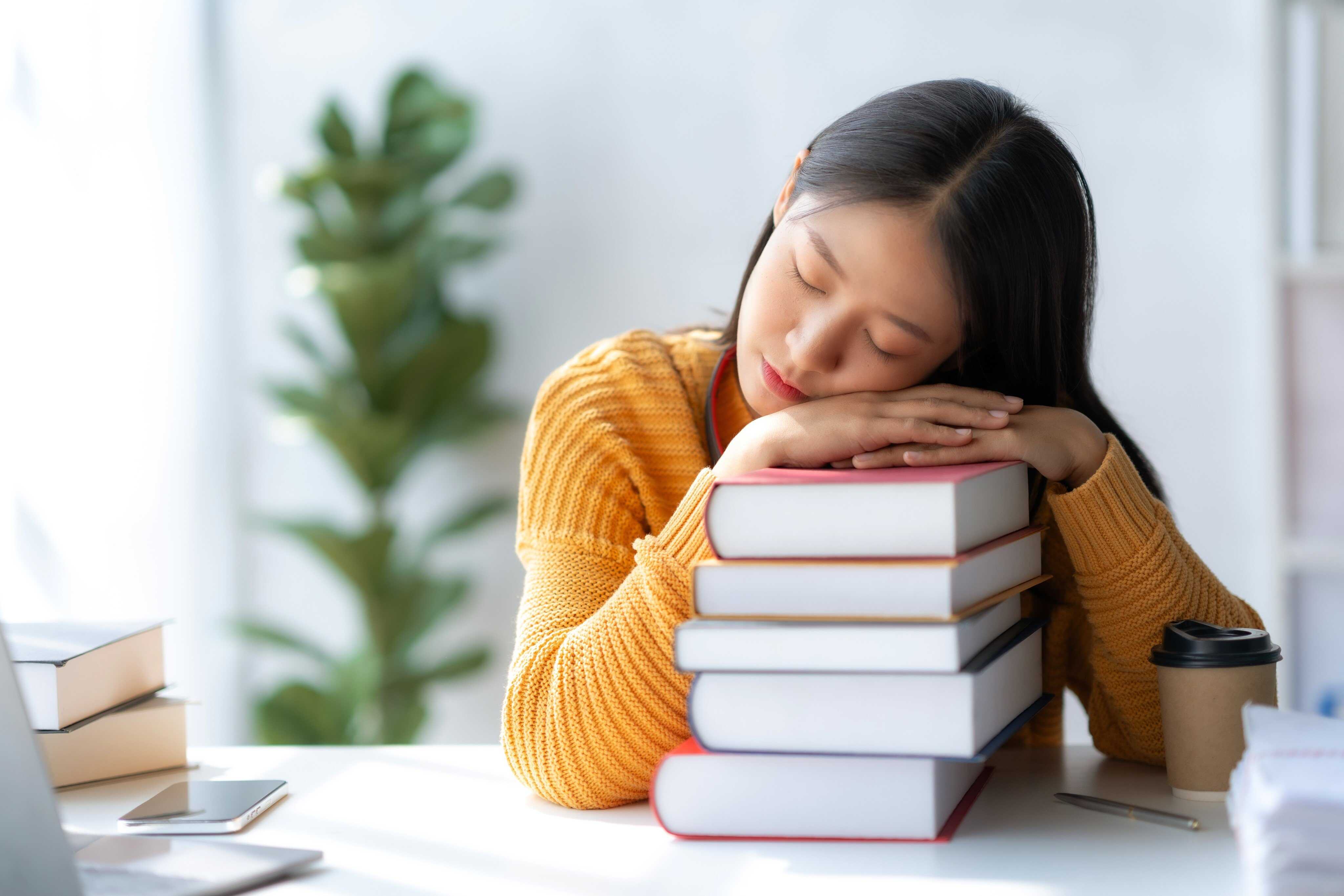
Whether you’re preparing for university entrance exams or your next assessment, the stress can take a toll on the mind and body.
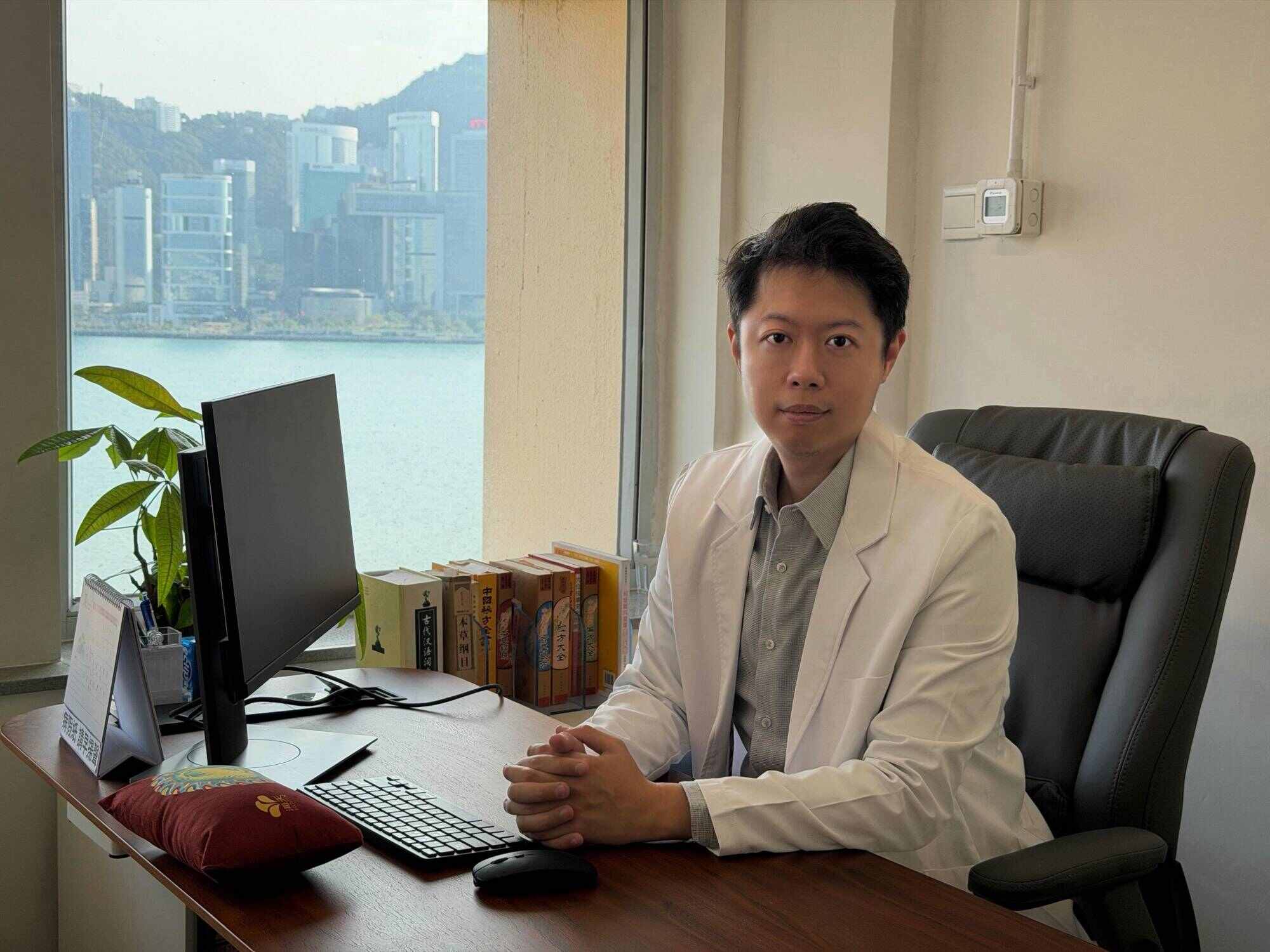
“If something keeps replaying in your mind or constantly bothers you, it genuinely has a real impact on your physical body,” said registered Chinese medicine practitioner Quinton Wong Cheuk-kwan.
Wong, who is the director of Kwan’s Medical Group, shared ways to restore balance to your body according to traditional Chinese medicine (TCM).
The all-important liver
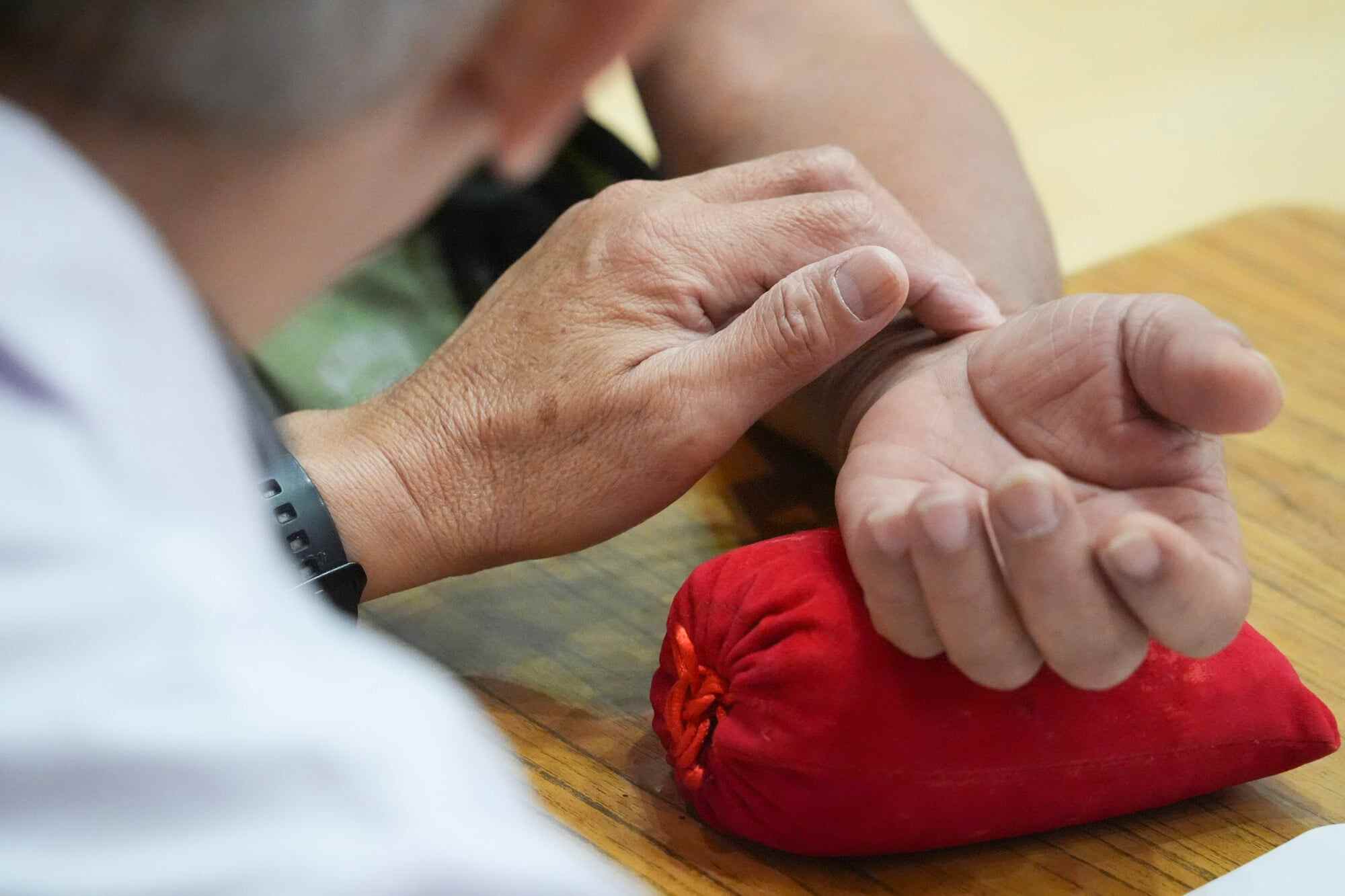
TCM practitioners measure a person’s wrist pulse to assess their condition.
“If the pulse is bounding and forceful, it could indicate the individual feels emotionally suppressed,” Wong said. “If … [it’s] vibrating or trembling slightly, it might indicate the person recently experienced a fright or is under significant pressure.”
This spot on the wrist is called the guan in TCM. It is associated with the liver and stomach. The liver is responsible for the smooth circulation of qi, the body’s vital energy.
That means poor sleep “isn’t just because thoughts are swirling in your head or you’re too worried to fall asleep,” Wong explained. “It’s because the liver is particularly active and restless.”
It can become a cycle. Insufficient sleep prevents the liver from repairing itself and disrupts its role in maintaining the body. So, as stress builds, the flow of qi becomes obstructed.
Heat and dampness
“If our qi … is trapped and has no way to move, it will eventually generate ‘heat’,” Wong said, adding that this dries up the body’s essential fluids.
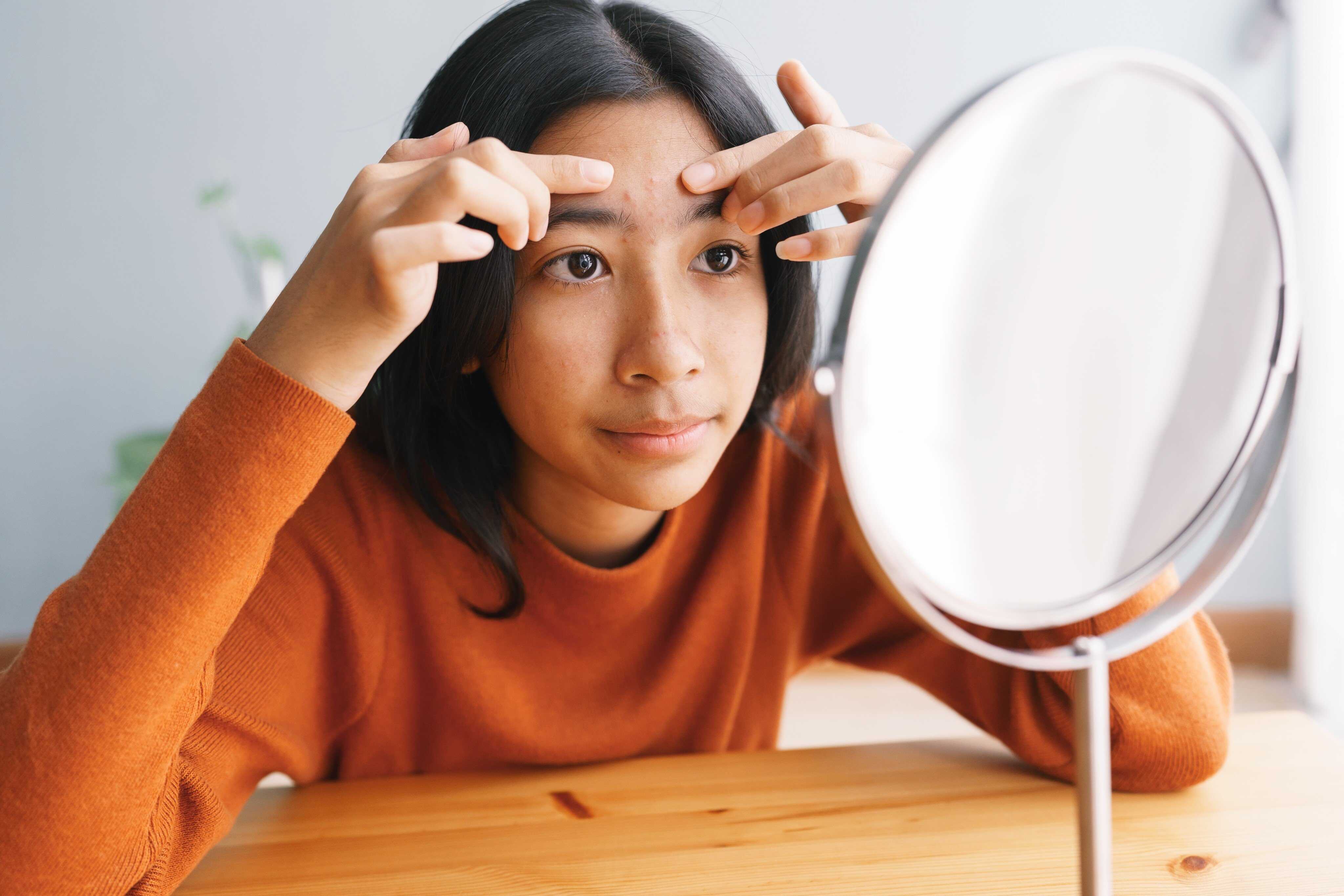
This heat can cause acne and oily skin, irritated eyes and a dry mouth. You might also struggle to sleep, have poor digestion and become easily irritable.
Poor digestion, in particular, can create additional problems. When stress makes the liver overly active, our bodies stop properly absorbing what they need and eliminating what they do not.
This results in heavy “dampness”, Wong said. That extra dampness can make you feel tired and bloated.
Relieving and reducing stress
Wong recommended teas to help restore balance: chrysanthemum to clear heat and soothe dry, red eyes and rose to help relax and promote sleep.
For both teas, Wong recommends taking a small handful of the herb and steeping it in 300ml of boiling water for about four minutes.
However, since chrysanthemum is cooling in nature, people who have a cold should avoid it. And rose can promote blood circulation, so menstruating students may want to skip it during or near their period.
Wong also suggested acupressure points for stress relief: Jingming and Shenmen (see diagram).
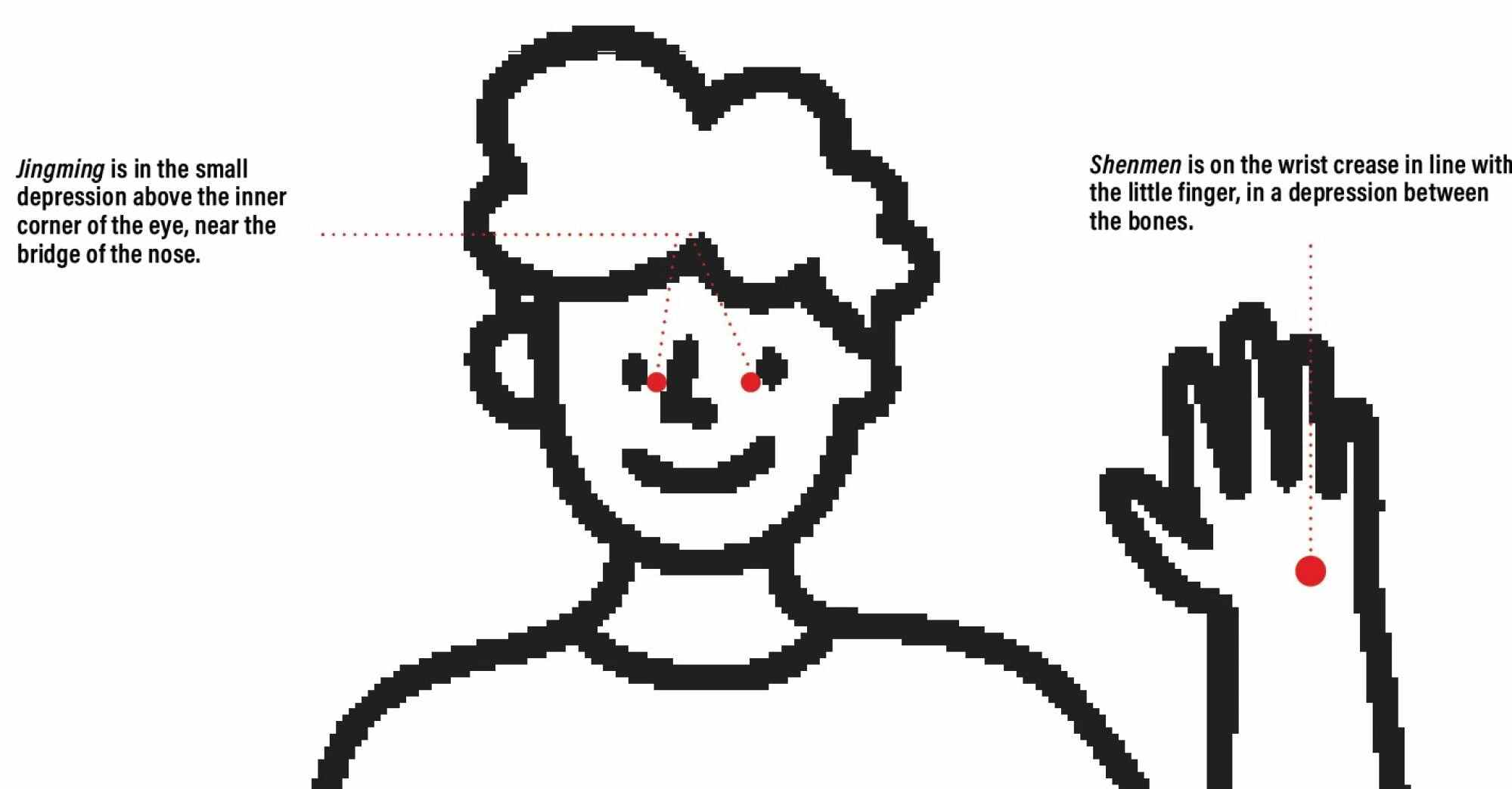
Jingming is in the small depression above the inner corner of the eye, near the bridge of the nose. Stimulating this point can help relax the eyes.
Shenmen is on the wrist crease in line with the little finger, in a depression between the bones. This point calms the mind and relieves pain.
To stimulate these points, apply gentle finger pressure for about 30 seconds.
Wong also emphasised the importance of regular exercise.
“The liver isn’t as easily affected by stress when you exercise. It feels relaxed,” he said. “The liver needs movement, so a person needs to move too.”