Do you have a personal question you’ve been too afraid to ask? Whether it is about school, family or your social life, you can share it with us through this form. Don’t worry, you’ll remain anonymous.
Dear Friend,
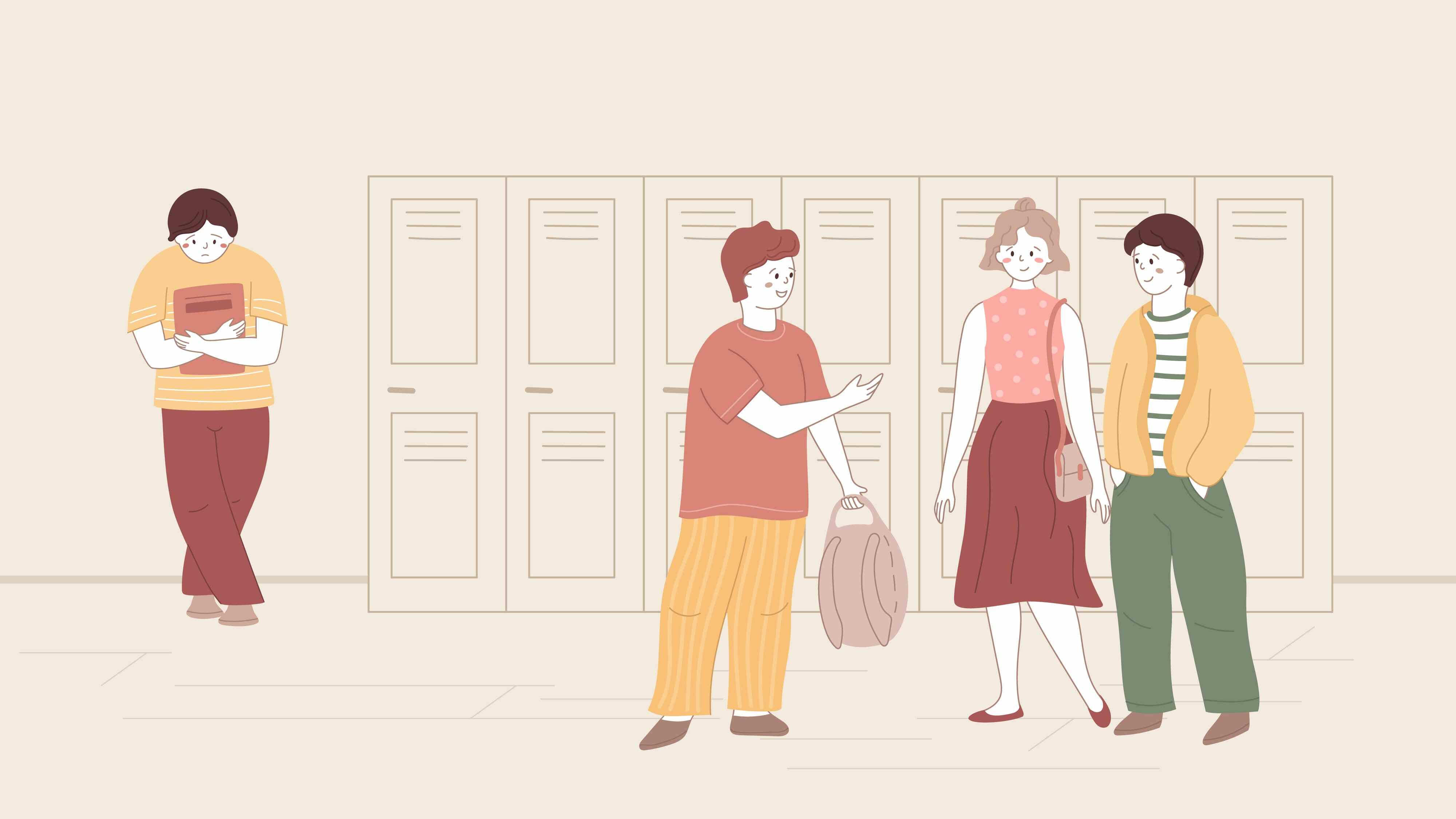
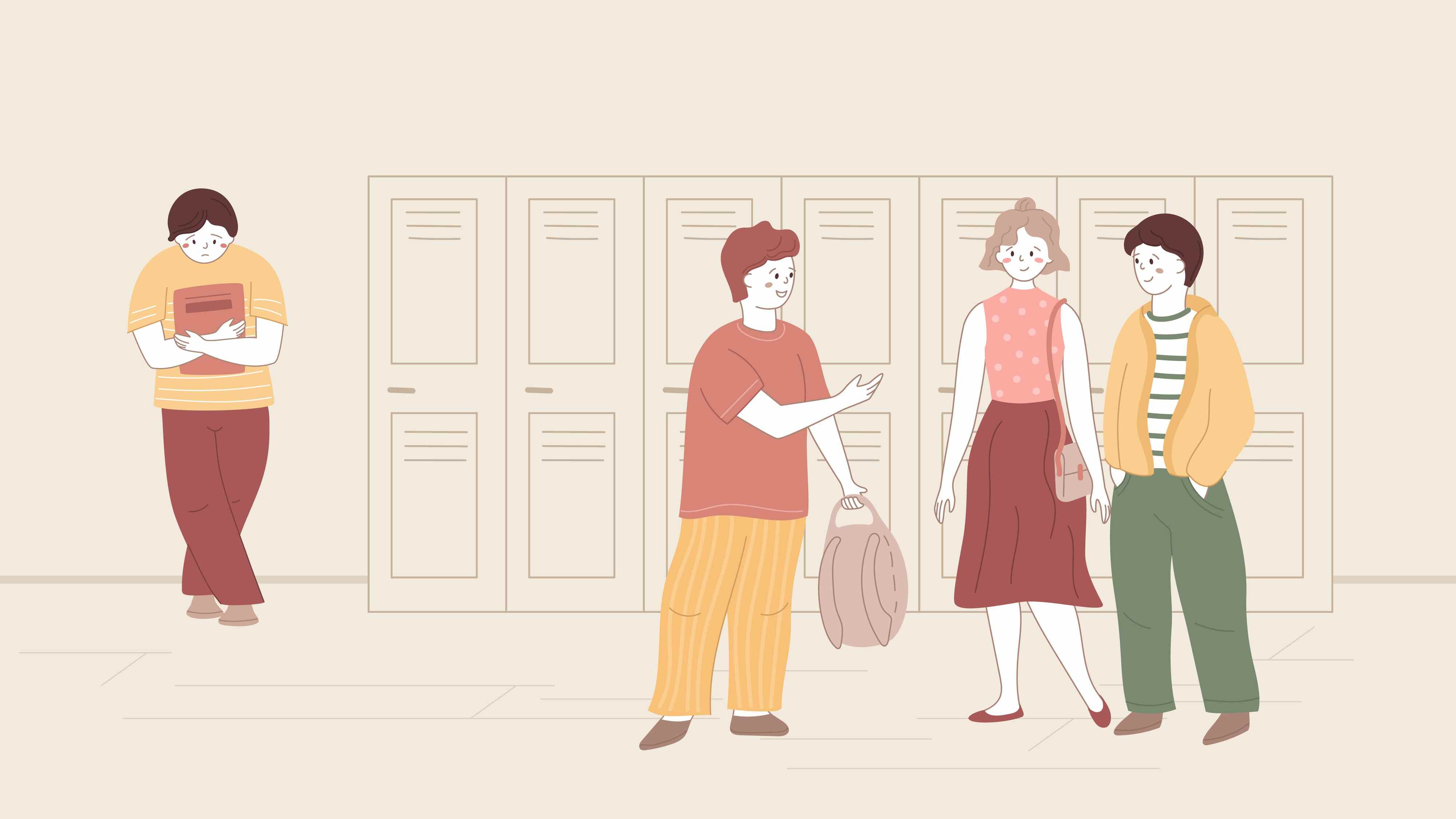
I feel lonely because I don’t have many friends. People tell me I’m too direct, and I think that’s keeping me from making friends. At night, my mind won’t stop replaying past conversations, and I think about how I could have said things differently. Please tell me how to better connect with others.
Signed, Blunt and Lonely
Dear Blunt and Lonely,
Feeling alone and overthinking social interactions can be emotionally draining, and wanting meaningful connections with people is natural.
Replaying conversations in your head means you care about making friends and want to do better, but ruminating on them may negatively affect your mental well-being. When these thoughts arise at night, take a few deep breaths, gently acknowledge them and remind yourself that everyone meets difficulties in social settings.
Turn your reflections into action
When you replay the past conversations, what did you say that might have been too direct? It is helpful to try to understand the emotions you caused the other person to feel.
Was it a criticism of someone’s appearance or performance? If someone hasn’t directly asked for feedback on their appearance or performance, they might find it rude if you are very direct about something negative.
If the situation does not call for your direct criticism, it might be better to keep those thoughts to yourself. But if you’re working on a group project, then your feedback is needed, and you can find a gentler way to communicate your thoughts.
Were you sharing your opinion about a topic? Someone might feel like you interrupted them or that you didn’t try to understand what they were trying to say.
In most cases, there are more delicate ways to share your thoughts and feedback.
Practise gentle communication
Being too direct in communication may hurt others’ feelings, even when your intentions are good. Here are some tips for expressing your thoughts.
-
Use “I” as a buffer: Start with phrases like “I think” or “From my view” to frame thoughts as personal opinions, which may sound softer than making a blunt statement.
-
Practise active listening: Show genuine interest in what others are sharing and let them speak fully before offering your feedback.
-
Focus on feelings: Try to acknowledge how the other person might feel and give them time to digest. There is no rush to provide a solution; if you want to share an honest opinion, try to understand their feelings first.
-
Use the “sandwich” method: Sandwich any criticism with positive feedback. Start by complimenting something that was done well. Then, transition to your constructive criticism and focus on how this aspect could be improved. At the end, share an overall comment that highlights the positive aspects of their work.
Being open and respectful allows space for different personalities and perspectives to connect. You do not have to agree with everything someone says, but respect provides an environment for understanding to grow over time.
How to make friends
Making new friends takes time and the right environment. Joining clubs, interest groups, sports teams or volunteer activities can put you in environments where people share your passions and common hobbies. Shared activities naturally ease the pressure of conversation, making it easier to create connections over time.
Building confidence and forming lasting friendships take time. If you feel overwhelmed or lonely, talk to a family member, teacher or counsellor. They might be able to share some advice on how to make friends.
If you need someone neutral to talk to, you can consider these resources.
-
Mental Health Support Hotline: 24-hour hotline and WhatsApp at 18111 or visit shallwetalk.hk
-
Open Up: 24/7 online text emotional support platform on openup.hk
Hang in there, Friend of a Friend
This question was answered by clinical psychologists from Shall We Talk, a mental health initiative under the Department of Health launched in collaboration with the Advisory Committee on Mental Health.