As floodwaters surged from drains in Thailand’s capital city, Fon’s car sank faster than her hopes of escaping unscathed; she had bought the car less than a month earlier.
“I woke up at 5am but it was too late,” the 24-year-old said, recalling her decision to wait until dawn to move her car to a nearby shopping centre. “My car was already submerged. I hadn’t even started making the payments and it’s gone.”
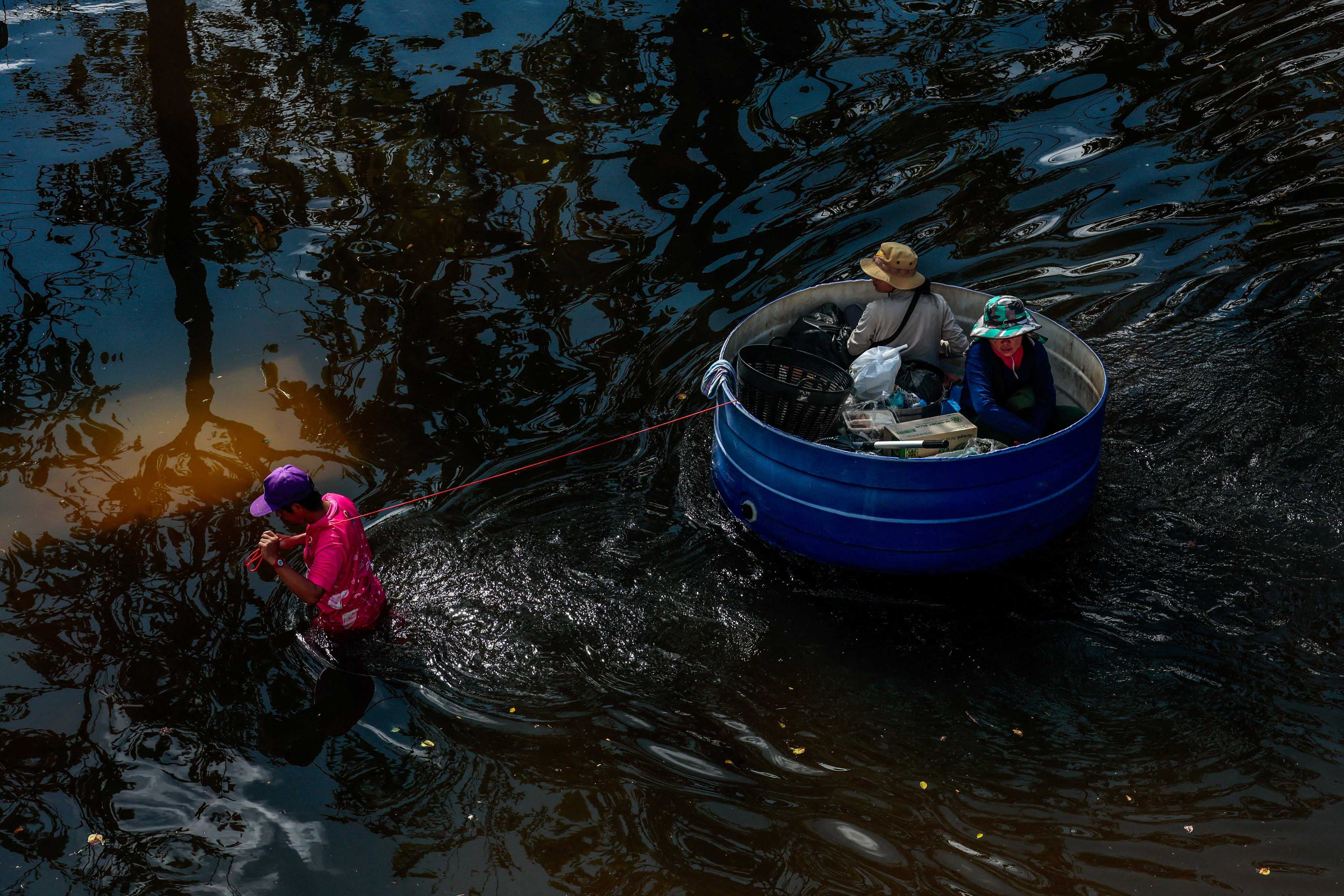
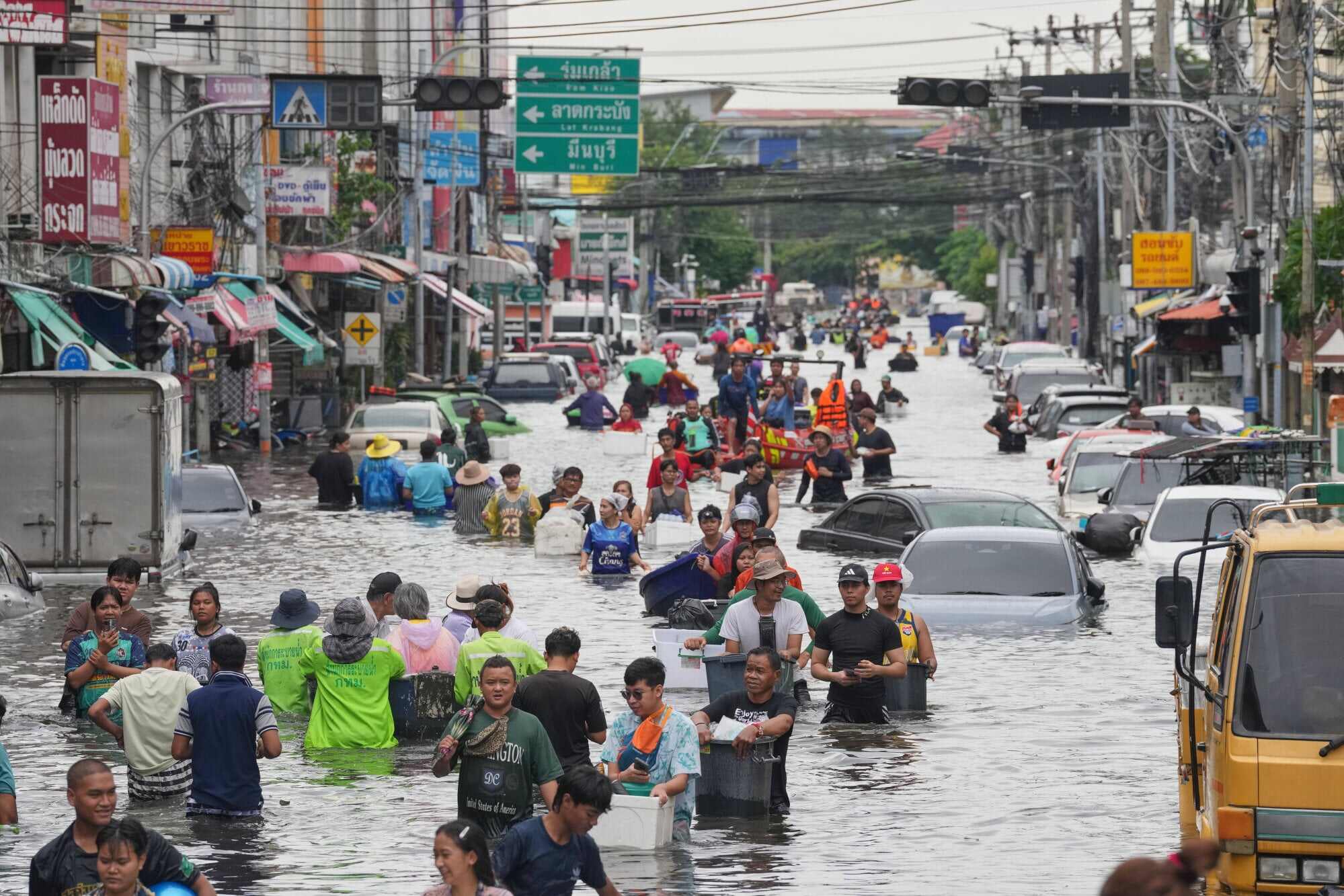
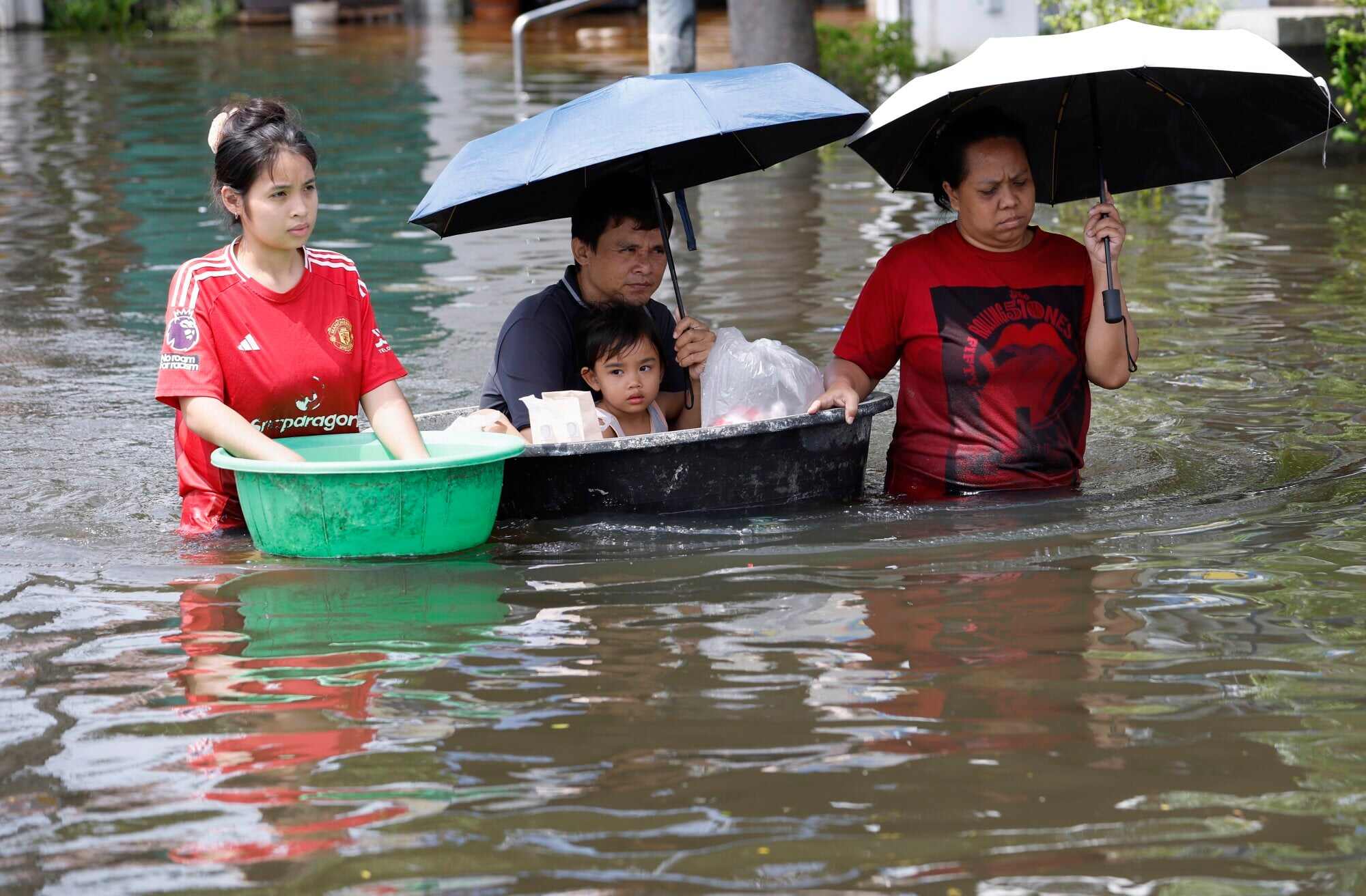
Relentless rain paralysed Bangkok in September, dumping a month’s worth of precipitation on the city in just three days. The city, long plagued by sinking, went underwater. Not all of it, but enough of the city’s east and northeast to offer a terrifying insight into what may lie ahead as this year’s “super” El Nino climate pattern intensifies.
In the Khlong Chan neighbourhood of Bangkok’s Bang Kapi district, Fon – whose full name is Siraprapha Sangseeluem – was still stranded in her block of flats five days after the deluge.
Her scathing assessment of the authorities’ handling of the floods? “I can say only one thing: the government is totally useless,” she said.
Some of Fon’s neighbours have been even less diplomatic. Prime Minister Anutin Charnvirakul was met with a volley of abuse when he arrived to distribute relief to the flats on September 27.
The reception was similar in several places Anutin visited that week with his cabinet ministers and the media, in a city that largely did not vote for him. His Bhumjaithai Party did not win any of Bangkok’s constituency seats in February’s general election.
Anger has boiled over in recent days at a government that seemed blindsided by a calamity meteorologists had warned was brewing, but which city and central authorities alike played down in the days before it struck.
Anutin’s own campaign boast that his party would make the country “so rich, you won’t know what to do with your money” has come back to haunt him. “I feel so rich”, chanted crowds of angry residents sarcastically as he arrived to distribute food and water.
Speaking to reporters on September 30, Anutin acknowledged the backlash. “I know we weren’t good enough, or prepared well enough,” he said. “The fact that people scolded me, criticised me … rest assured that I’ve heard you and I’m not ignoring you.”
Critics are unconvinced, however. “If the measurement of the prime minister’s job is to manage the situation, to bring calm, a sense of trust … then he fails miserably,” said political commentator Voranai Vanijaka.
On September 25, as floods swallowed Bangkok’s roads, homes, shops and restaurants, residents struggled to find their bearings. Governor Chadchart Sittipunt, normally hypervigilant, appeared caught off guard by the speed and scale of the rising water. He apologised days later for delayed warnings and a slow start to the relief effort.
Anutin, who is also the interior minister, cut short a diplomatic visit to London to oversee the response. His initial absence was nonetheless felt in Thailand’s highly centralised, hierarchical political system, with key officials seeming reluctant to make snap decisions without him.
Last week, opposition lawmakers blasted the government’s flood response, criticising everything from slow warnings to the sluggish relief effort.
Rain and floods are unpredictable in Thailand, and it lacks the comprehensive flood defences found in Singapore, Shanghai or Amsterdam. It is the failing of successive Thai governments, but critics still say Anutin was caught flat-footed.
Hotter, wetter, deadlier
As the planet heats to unprecedented, dangerous levels, extreme weather events are becoming ever more erratic and destructive, presenting governments everywhere with challenges many are ill-prepared to meet.
Last month, Japan’s capital logged 35 consecutive days of rain – its longest streak on record – while wildfires continued to rage in Indonesia’s Kalimantan region, sending toxic haze across borders to Singapore and Malaysia.
Thailand’s recent floods have cost at least 40 people their lives, with estimates of the damage running to hundreds of millions of US dollars.
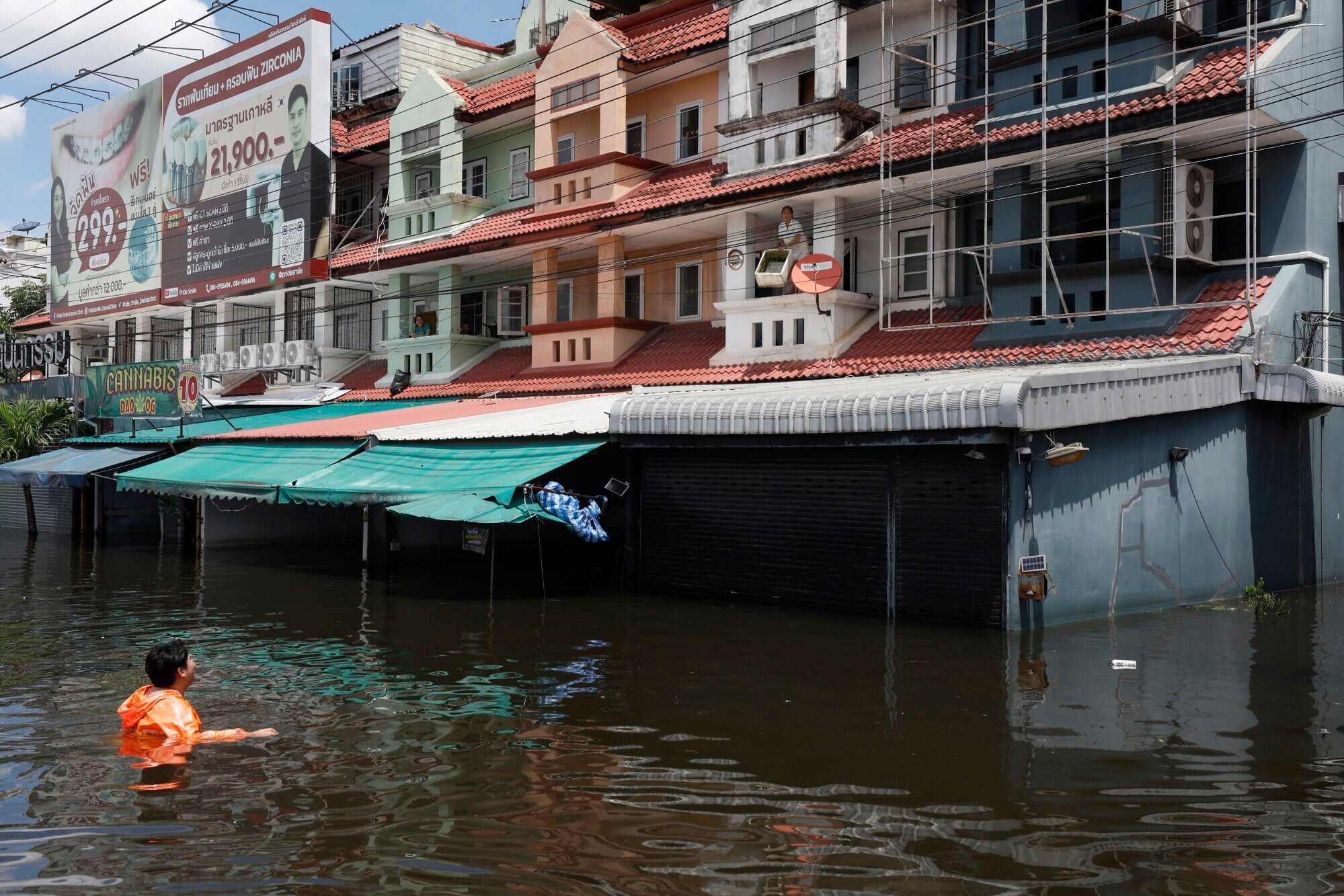
In Bangkok, the floods were the worst in 15 years, filling drains and canals to capacity and affecting roughly one-tenth of the capital. The country’s southern provinces, where the rainy season typically peaks between November and January, are now bracing for a similar onslaught.
Bangkok’s misfortune has been decades in the making. The city’s ever-expanding urban sprawl is slowly sinking into the soft clay beneath it.
Concrete has spread upwards and outwards far faster than investment in infrastructure, especially drainage – effectively turning the built-up city centre into a basin with few natural outlets or floodplains.
It floods easily in large storms and in the increasingly common “rain bombs” that dump vast quantities of water on the city in a matter of hours.
In 2011, the worst floods in recent memory submerged the north of Bangkok, killing dozens and leaving parts of the capital up to two metres (6½ feet) under water for weeks on end.
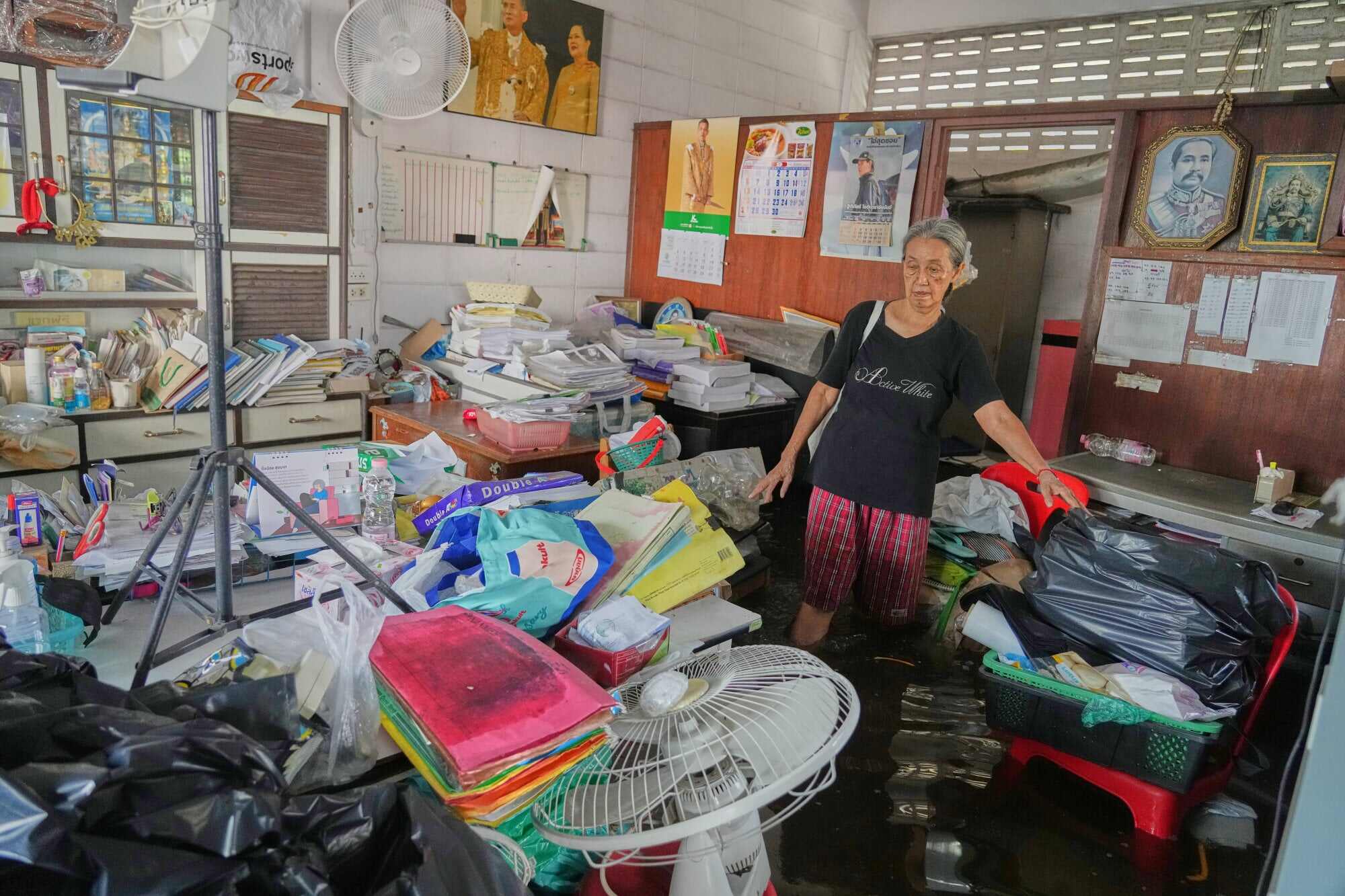
This year’s floods, which may not be over yet, were the result of ceaseless rains overwhelming drains and inundating entire neighbourhoods, including affluent ones, with filthy, sludge-filled floodwater.
On Tuesday, Anutin’s cabinet approved a 160 billion baht (US$4.8 billion) plan to divert floodwaters away from the capital. It includes a new canal to relieve pressure on the Chao Phraya River, which currently carries run-off from northern and central Thailand straight through Bangkok. But that project is slated to take eight years to complete.