The number of secondary school students in Hong Kong who have been diagnosed with mental illness has doubled over the past five academic years.
Still, education authorities warn that this sharp increase may not represent the full picture, as a lingering social stigma makes some students and parents reluctant to disclose their health information to schools.
According to official figures submitted by the Education Bureau to the legislature on Tuesday, April 15, the recorded number of secondary school pupils diagnosed with a mental illness surged from 660 in the 2020-21 academic year to 1,330 in 2024-25.
The most significant spike was observed among students with special educational needs (SEN). These students faced nine different types of mental health conditions, with autism spectrum disorder and attention deficit hyperactivity disorder (ADHD) prominently noted.
The crisis is not limited to secondary schools. Within the same five-year period, the number of primary school students diagnosed with a mental illness jumped by 54 per cent, rising from 130 to 200.
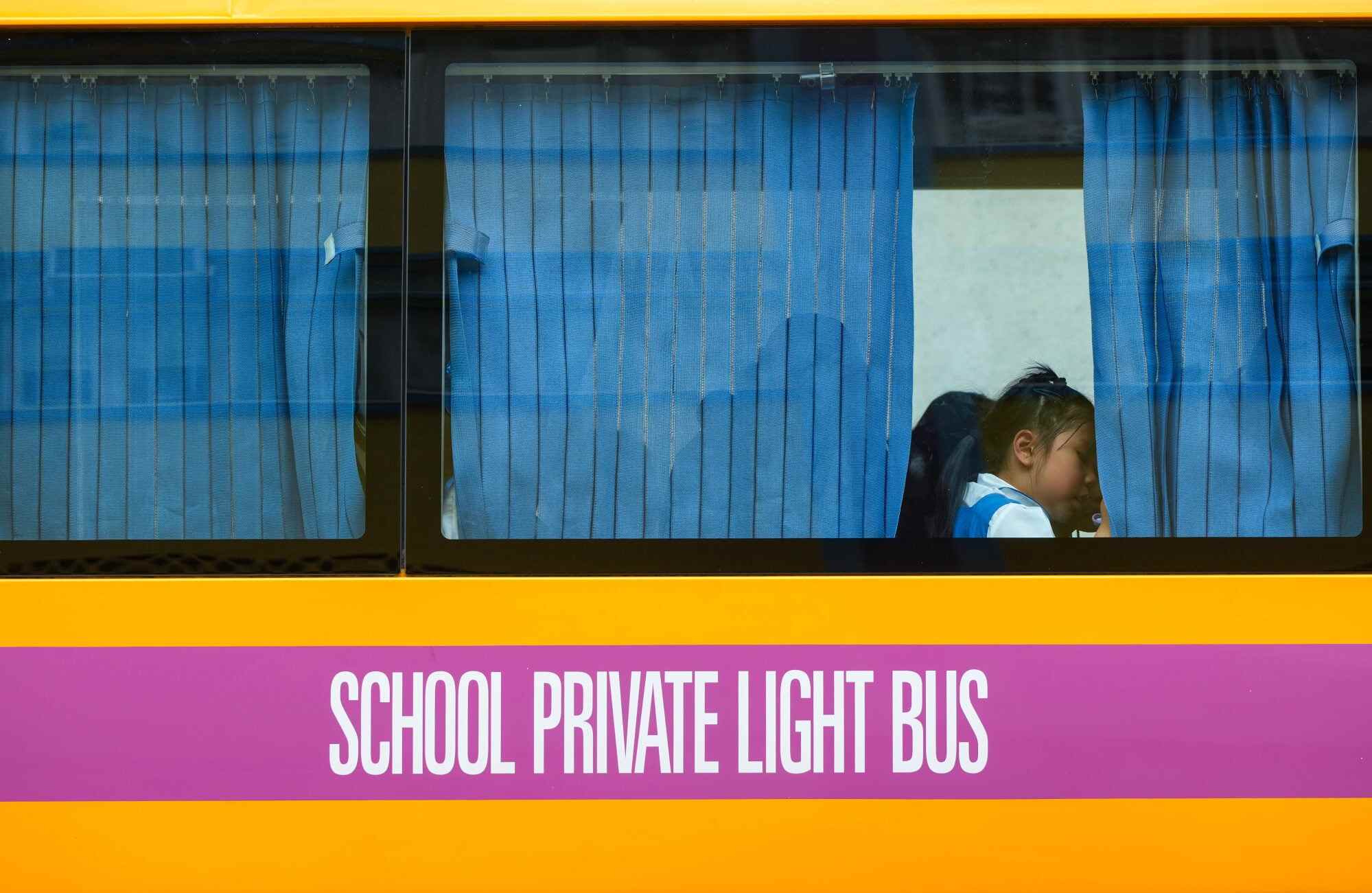
The increases are already alarming, but the Education Bureau said that the reality in classrooms was likely more severe than the data suggests.
“Given that some parents or students are reluctant for schools to submit their information to the Education Bureau, we presume there is an under-reporting of the actual number of students with mental illnesses,” the bureau said in an official remark.
The concerning trend in schools heavily mirrors broader Health Bureau data regarding young people receiving psychiatric treatment at public hospitals.
For those aged 15 to 24, the number of patients seeking psychiatric services saw the steepest rise of any age group, jumping from 21,800 in the 2021-22 academic year to 31,500 in 2025-26.
Recognising the evolving challenges young people face, health experts are increasingly pointing to digital habits as a contributing factor.
The Advisory Committee on Mental Health recently suggested that the Department of Health update its guidelines to better reflect the profound impact that social media and prolonged screen time have on the mental well-being of children and teenagers.
In response, an interdepartmental expert advisory group has been established to review the latest scientific evidence, with plans to issue updated health recommendations on screen and social media use for Hong Kong youths later in 2026.
Hong Kong schools currently use a three-tier intervention mechanism to support at-risk students. Under the first tier, schools prioritise high-risk students and connect them with professional counselling or treatment services.
If a school lacks sufficient staff, cases are escalated to the second tier, where education authorities refer students to an off-campus support team.
In the final tier, school principals can directly refer students with severe mental health needs to the Hospital Authority’s psychiatric specialist services, ensuring that urgent cases receive priority medical treatment.
Between November 2024 and June last year, the Hospital Authority received over 100 referrals from principals under this system, with 60 per cent categorised as semi-urgent. Less than 10 per cent were urgent.