Hong Kong should integrate specialised intervention services into its youth suicide response strategy, an NGO has said, as the number of children and young people taking their own lives reached a 10-year high in 2025.
Citing the coroners’ report, the Samaritan Befrienders Hong Kong said on Thursday that 1,019 suicides were recorded last year, equivalent to 13.57 per 100,000 population. This was down from the 10-year peak of 1,138 suicide cases in 2024.
However, suicides among those aged 19 or younger rose to 47, an over 30 per cent increase from 35 in 2024.
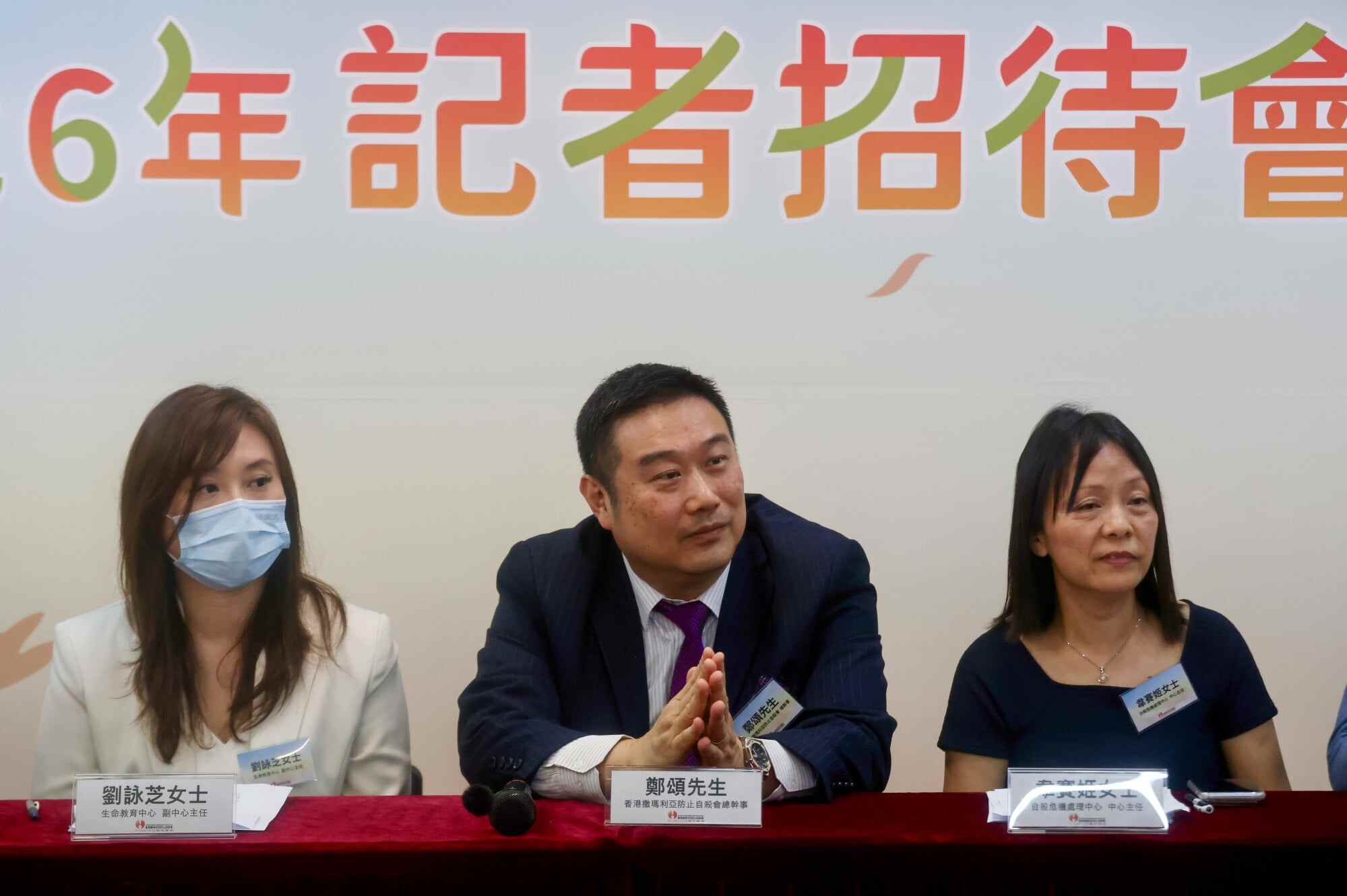
David Cheng Chung, executive director of the non-governmental organisation, said the uptick in youth suicide cases underscored the need for regular risk screening and specialised services.
“This is not a problem of insufficient resources, but that our resources can’t catch up with the needs of teenagers, which are influenced by changes in society and family dynamics,” he said.
“Adolescence comes with rapidly shifting priorities and countless issues to manage. As a suicide prevention organisation, our speciality allows us to offer professional guidance and services that more precisely address their needs.”
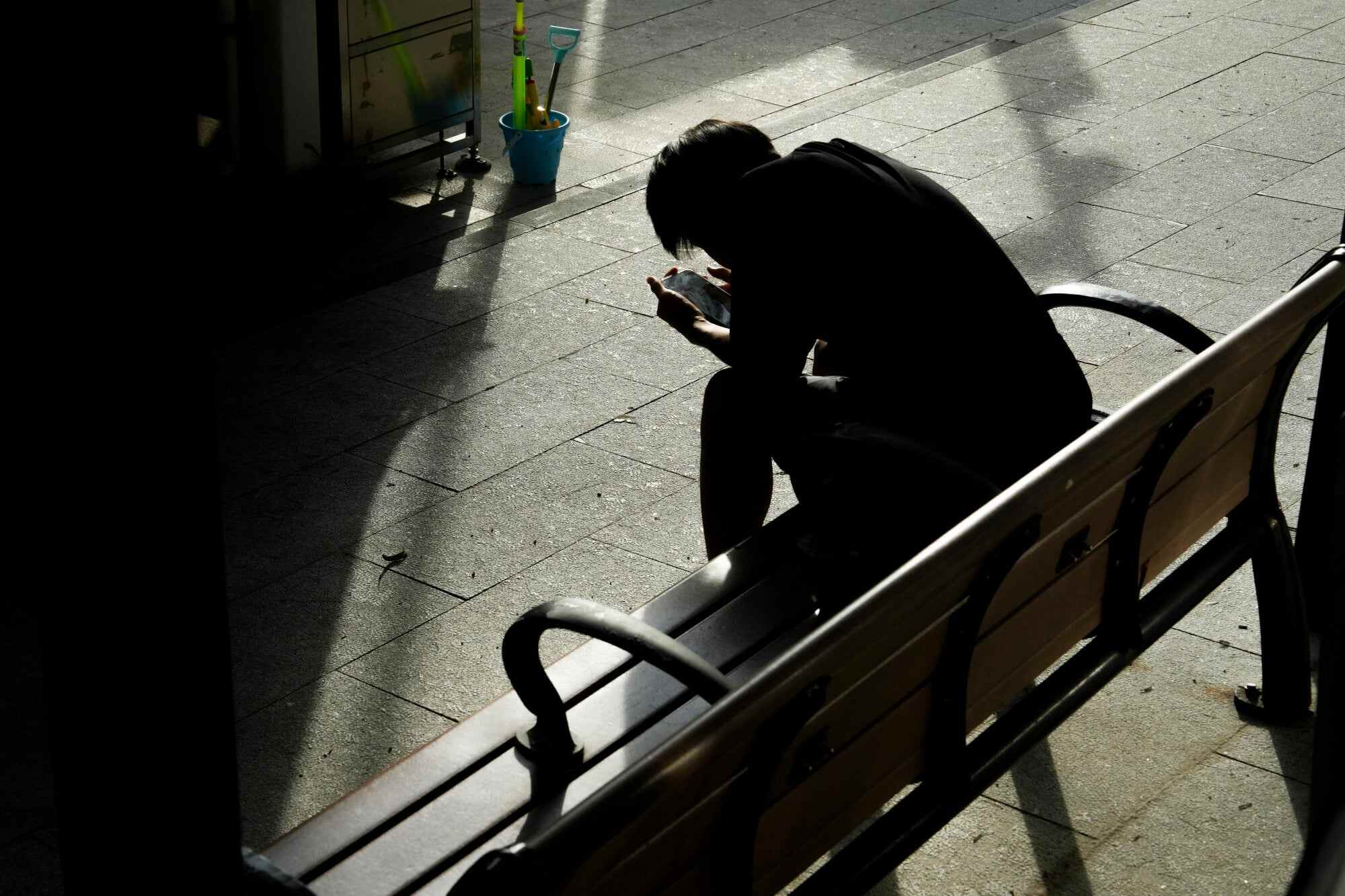
Data from the Hong Kong Jockey Club Centre for Suicide Research and Prevention at the University of Hong Kong showed the suicide rate among those aged 15 to 24 was 11.7 per 100,000 population in 2024.
The suicide rate of those aged 15 to 24 in developed countries and regions ranged from around four to 17 per 100,000 people in recent years, according to the World Health Organization mortality database.
Japan, South Korea, Finland and the United States recorded the highest rates at around 14 to 17 per 100,000.
Cheng called for suicide prevention services to be included in the three-tiered school-based emergency mechanism, which the authorities established in 2023 to address a surge in student suicides.
Under the first tier, schools prioritise helping students at risk of suicide with their own multidisciplinary professionals, such as school social workers.
If schools are short-staffed, cases are referred to an off-campus support network comprising five youth NGOs under the second tier.
The third tier involves principals referring students with severe mental health needs to the psychiatric specialist services of the Hospital Authority. Students with urgent cases are given priority treatment.
Lau Wing-chi, deputy in charge of the NGO’s Life Education Centre, said its strong team of suicide-prevention professionals served not only the highest-risk cases, but also those at lower risk or with fleeting suicidal thoughts, and could be better utilised to strengthen the safety net.
The NGO also provided suicide risk screening to more than 80 schools over the past two years, detecting around 600 cases among 7,000 students over 41 sessions, she said.
“While our screening frequency is high, we often need to adjust according to the holiday schedules, which makes two years not enough at all,” she said.
The screening programme was funded by a two-year private grant that will end in August.
Lau said screenings should not be limited to schools and pointed to potential opportunities for detection at government-run student health service centres, where pupils get physical check-ups every year.
A 22-year-old student, who wished to be identified only as Shan, was diagnosed with depression and bipolar disorder in high school and began receiving suicide intervention services from the NGO two years ago.
Living under immense pressure from her parents’ academic expectations – who often responded to her feelings by scolding her and using harsh words – she engaged in self-harm to relieve stress.
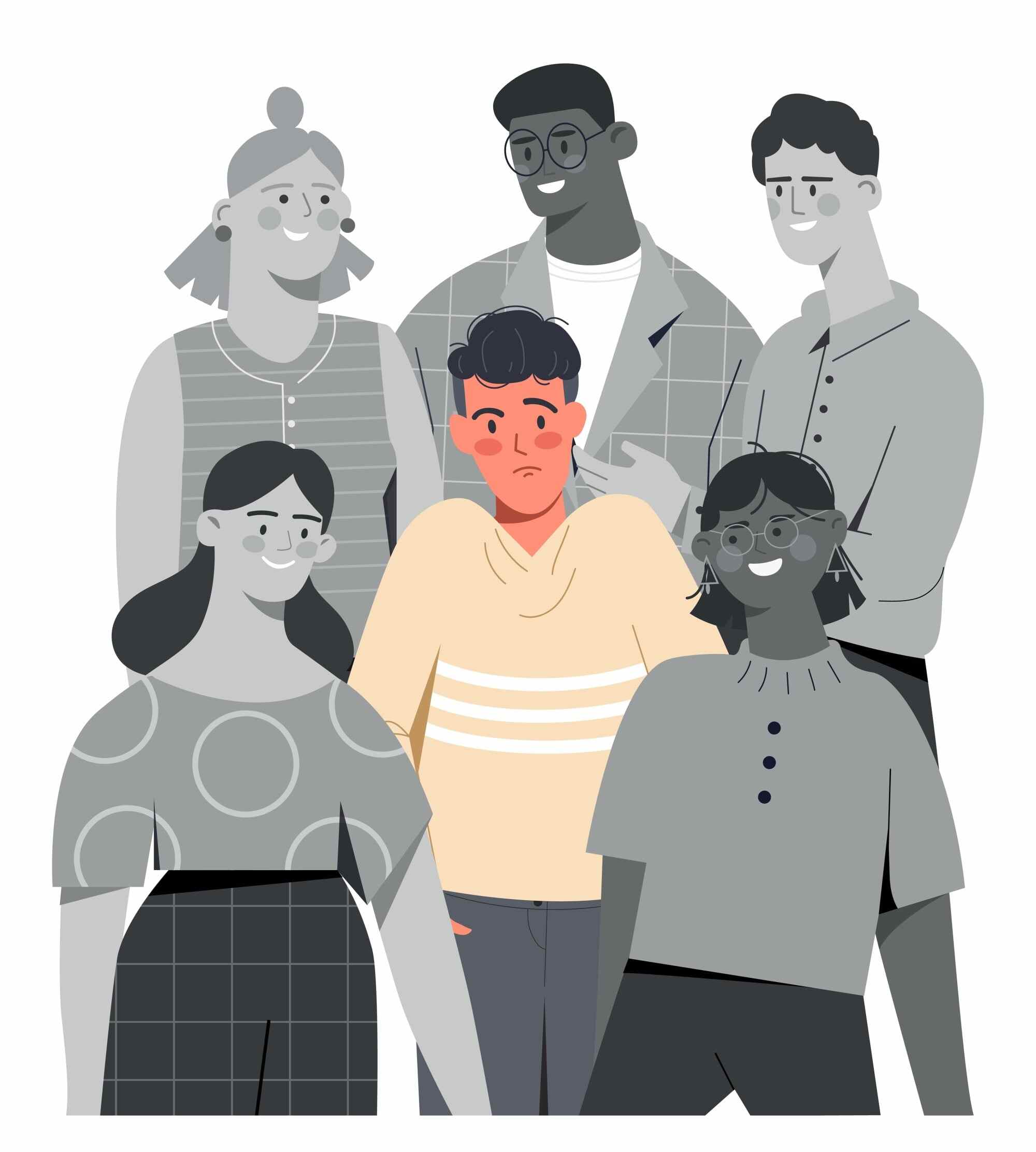
“I felt life was meaningless, as if my only purpose was to be a puppet for my family and satisfy their wishes … I wish they had respected me,” she recalled.
With the support of a crisis counsellor at the NGO, she gradually learned to manage her emotions and reduced both the frequency and severity of her self-harm.
Shan urged more young people to seek professional help for their mental health struggles, noting that misunderstanding and stigma still deterred many from doing so.
She reassured others struggling with mental health issues that talking to a social worker did not automatically mean being taken to the hospital in an ambulance.
“It’s worse if you keep everything to yourself and let your thoughts spiral … talking to a social worker isn’t crazy; it’s a way to help yourself,” she said.
In 2025, the NGO’s suicide crisis intervention service handled 1,147 cases last year, including 228 youngsters aged 19 or below.
If you have suicidal thoughts or know someone who is experiencing them, help is available. In Hong Kong, you can dial 18111 for the government-run Mental Health Support Hotline.
You can also call +852 2896 0000 for The Samaritans or +852 2382 0000 for Suicide Prevention Services.
In the US, call or text 988 or chat at 988lifeline.org for the 988 Suicide & Crisis Lifeline. For a list of other nations’ helplines, see this page.