If you are interested in joining future Face Off debates, fill out this form to submit your application.
For: Mischa Lan, 13, Po Leung Kuk Choi Kai Yau School

Discovery Bay has a unique transport system: unlike the rest of the city, residents rely on shuttle buses and golf carts to get around.
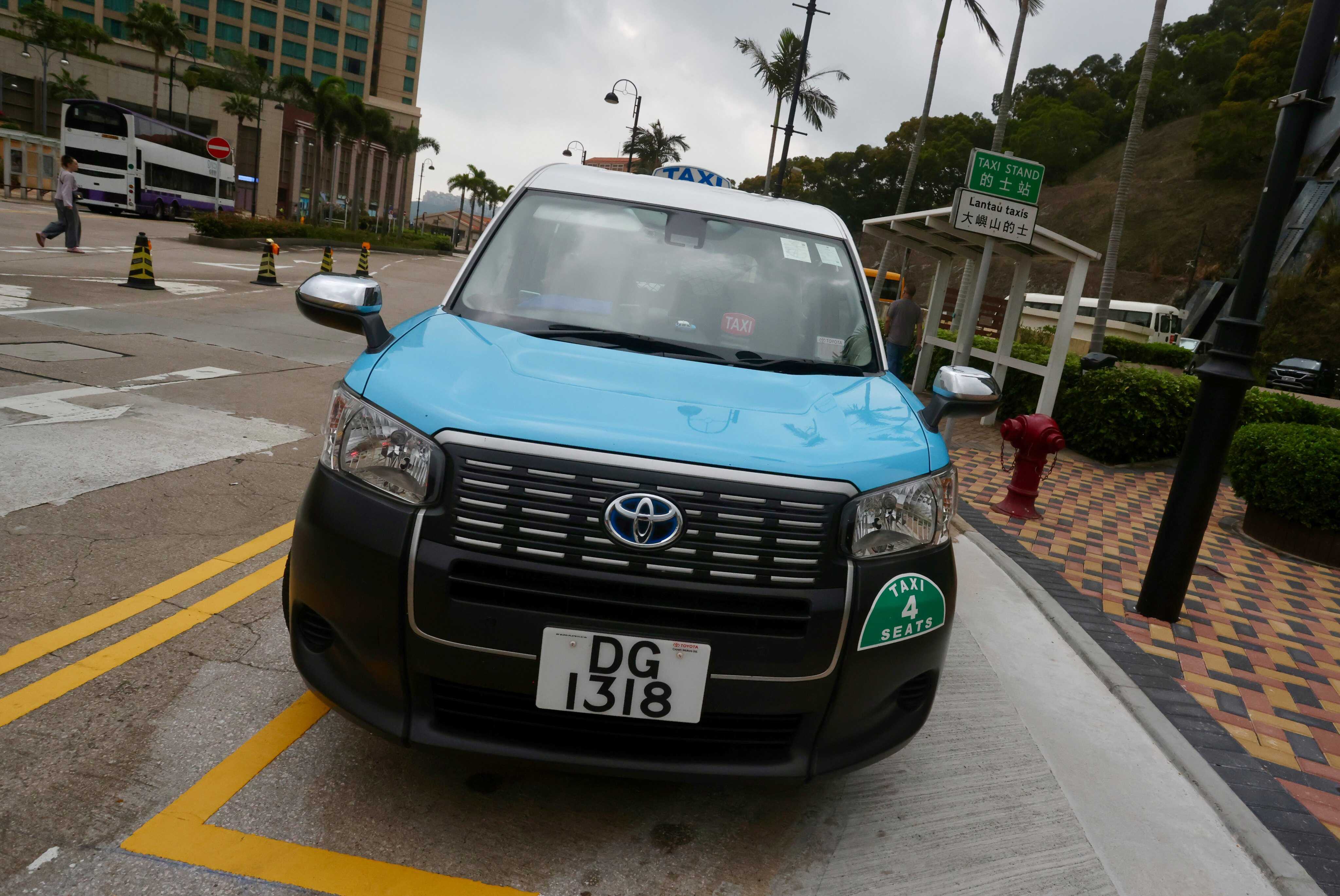
Currently, taxis are only permitted to enter as far as the north plaza under the 2014 guidelines, limiting their usefulness. While this arrangement aims to preserve a safe, low-traffic environment, it no longer adequately serves residents’ needs. Therefore, Discovery Bay should allow full taxi access to ensure accessibility and practicality for its residents.
A crucial reason is the need for direct, point-to-point transport, especially for elderly and immobile residents, who often struggle with the current system.
Shuttle buses operate on fixed times and routes, and golf carts are not always suitable or accessible.
The lack of direct transport options means that vulnerable individuals may need to take multiple transfers, which can be physically exhausting and time-consuming.
Allowing full taxi access would provide a straightforward and reliable alternative, meaning residents can travel safely and comfortably from door-to-door.
In addition, taxis offer flexibility that current transport options in Discovery Bay cannot match. Taxis, although more expensive, provide an on-demand option that improves overall mobility. In a city like Hong Kong, where taxis are widely available elsewhere, it’s unreasonable that Discovery Bay residents are denied the same level of convenience.
Some may contend that increased taxi access could lead to safety risks and noise pollution, especially given Discovery Bay’s pedestrian-friendly design and lack of traffic lights.
However, these concerns can be addressed through modern solutions.
For instance, an AI-powered surveillance system has been proposed to monitor traffic violations and refer serious cases to the police. This would help regulate driver behaviour and maintain pedestrian safety.
In conclusion, Discovery Bay’s transport policies must change with its population. Full taxi access would not undermine the community’s character; it would greatly improve accessibility, guaranteeing that all residents, especially the most vulnerable, are better supported.
Against: Praveen Sathappan Narayanan, 12, Island School

Discovery Bay (DB) is prized for its resort-like lifestyle and lush green environment. The neighbourhood is uniquely car-free for residents, who rely on shuttle buses and golf carts to get around.
While some may see these transit restrictions as an inconvenience, I see them as a blessing in disguise.
Transport is currently Hong Kong’s second-largest source of greenhouse gases and the primary cause of severe street-level pollution. In the 2025 IQAir report, Hong Kong was ranked more polluted than its regional competitors, Taiwan and Singapore.
In environments like this, car-free neighbourhoods are the difference between chronic diseases and a healthy lifestyle. However, DB developer Hong Kong Resort Company has recently submitted a paper to the Islands District Council, pushing ahead with a plan for unrestricted taxi access and four taxi ranks.
Rather than introducing polluting taxis into one of the few environmental sanctuaries we have left, Hong Kong should focus on expanding its green spaces.
Secondly, taxis in DB could lead to severe safety hazards.
The neighbourhood features narrow roads and winding lanes with limited pavements. Community petitions emphasise that allowing unrestricted taxi access, especially with drivers unfamiliar with the area, poses serious risks to pedestrians.
Although monitoring services might help, they still can’t completely eliminate the chance of accidents. These could lead to serious situations, given the lack of nearby hospitals.
As one of Hong Kong’s few car-free residential communities, some residents strongly believe that introducing taxis would disrupt the peaceful, family-oriented lifestyle the neighbourhood is known for.
Residents pay a premium to live in an area that strictly restricts private vehicles. Allowing commercial taxis free rein undermines the very attributes that make the area ecologically friendly.
By changing this green environment into just another ordinary suburb, we disappoint the ecologically friendly residents who are ready to forgo convenience to reduce their carbon footprint.
Hong Kong should take DB as an example to build more low-carbon communities to move towards a greener future.