If you are interested in joining future Face Off debates, fill out this form to submit your application.
For: Aahana Mukhi, 16, Island School

According to the Hong Kong government, more than 100,000 households in the city had cats as of 2018, and that number is growing rapidly.
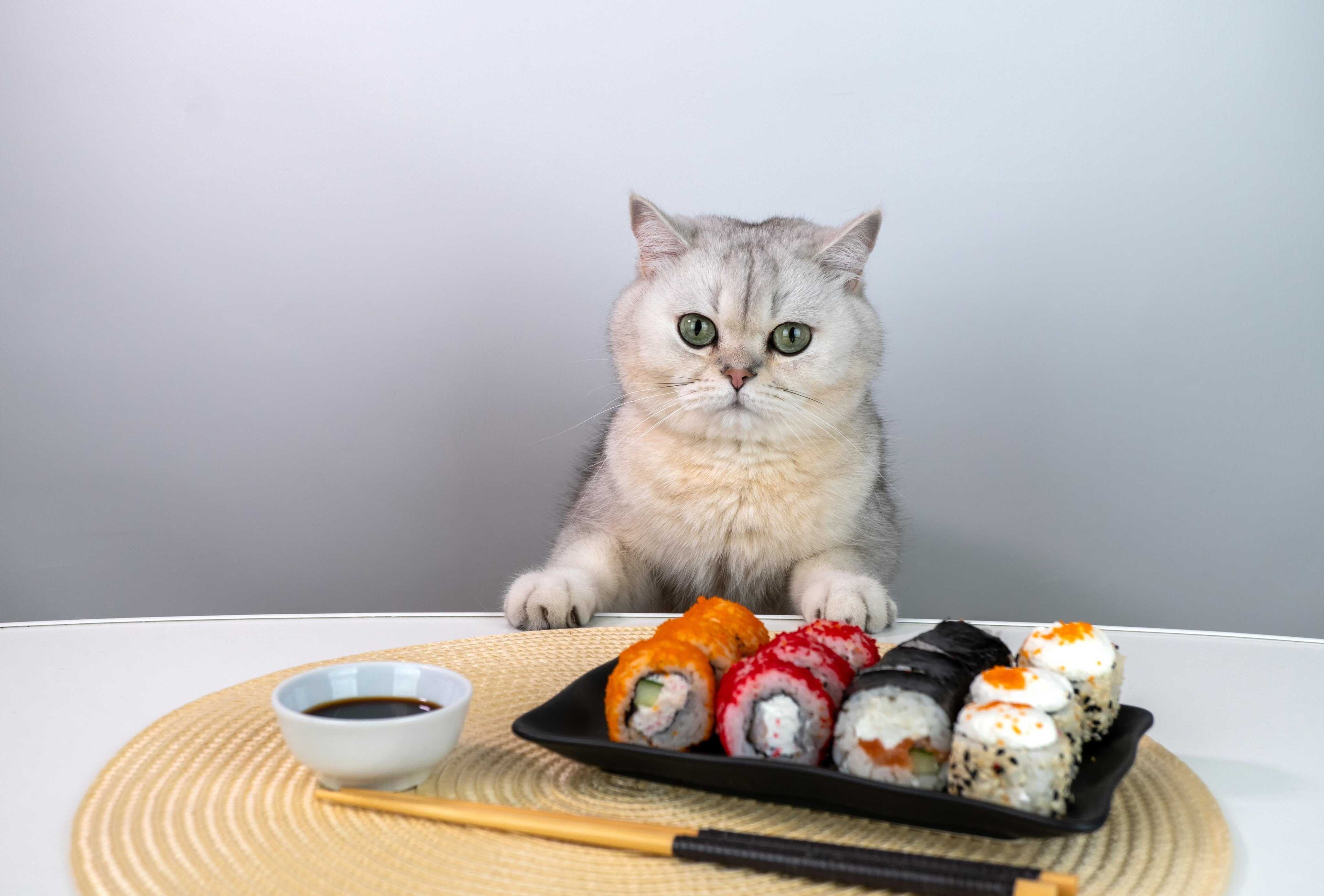
It’s safe to say that Hongkongers adore felines – organisers of the Hong Kong Cat Expo 2025 put the city’s annual cat economy at HK$2.4 billion. The city loves these cuddly creatures, which is why cats should be allowed in restaurants.
Many cat owners are hesitant to leave their pets home alone.
As empathetic and social animals, cats can feel stressed and lonely when left isolated for long periods. Over time, this can lead to irreversible behavioural problems and chronic depression.
The Spruce Pets, a publication that provides practical pet care advice from registered veterinarians, says cats do not need a significant amount of space, are non-disruptive indoors and are quieter than other pets. Moreover, cats are self-cleaning and extremely hygienic.
While there may be concerns about customers who are allergic to or afraid of cats, these issues can be easily avoided by creating cat-friendly zones or times.
Rules can also be put in place to ensure that cats are leashed and do not climb onto tables.
A study by the University of Hong Kong estimated that in 2007, only 14 per cent of Hongkongers were allergic to cats.
In addition, according to an article in the journal BMC Psychology, only a very small percentage of the global population suffers from ailurophobia – the fear of cats.
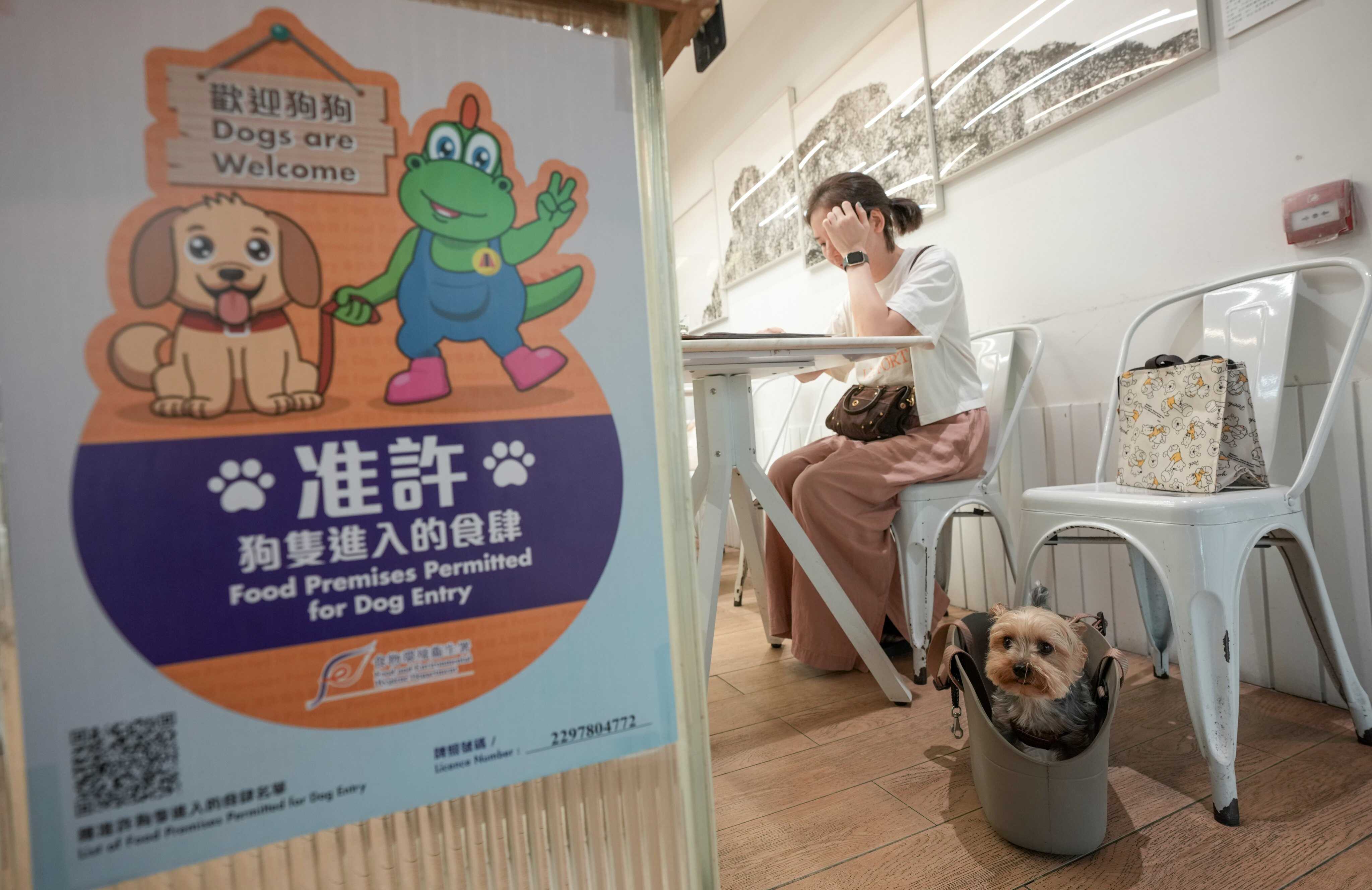
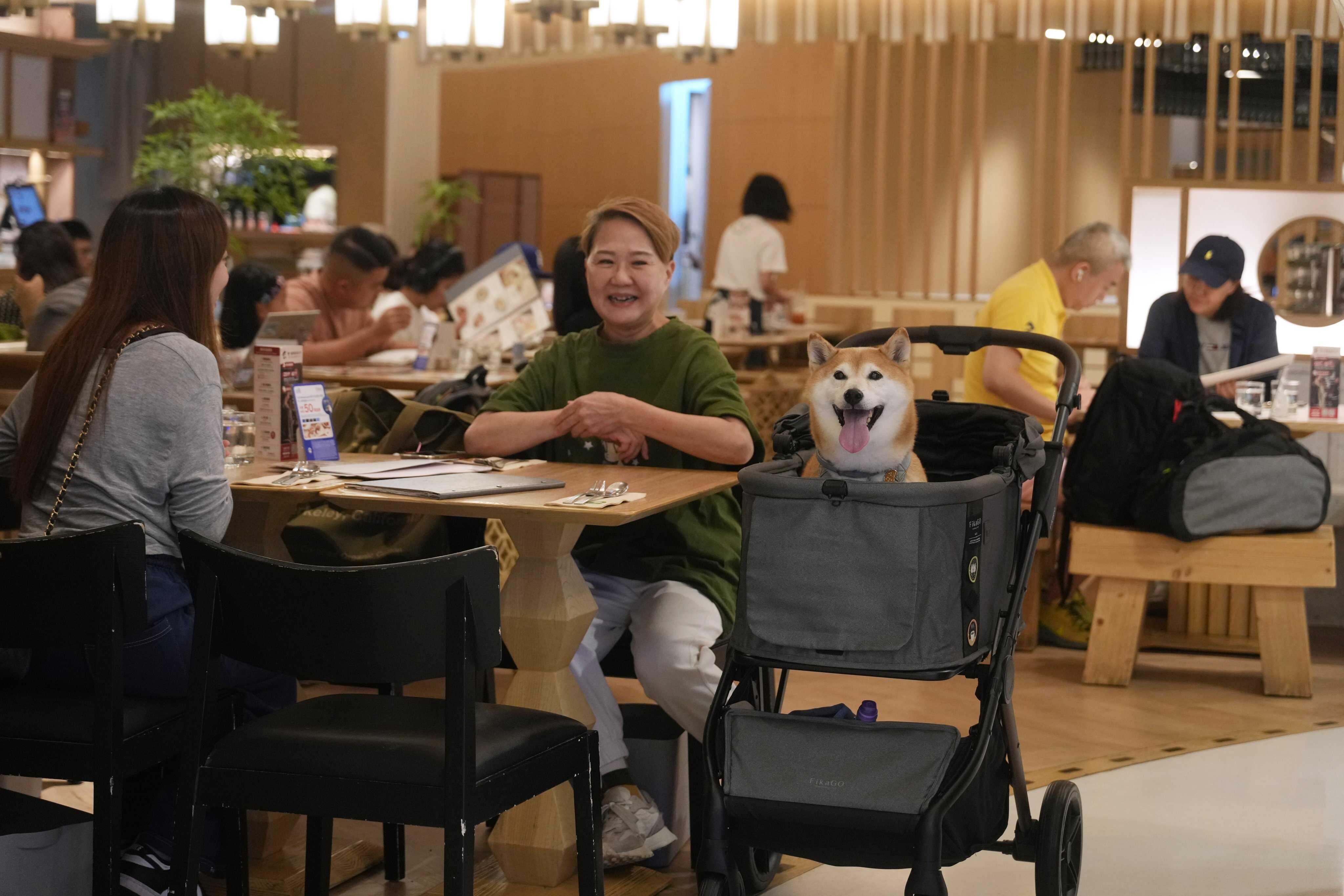
A recent government scheme permitted 940 Hong Kong eateries to allow dogs on their premises. Despite initial hygiene concerns, these restaurants have reported overwhelmingly positive customer feedback, according to The Standard.
Considering dogs are louder and larger than cats, this suggests there would be an equal or even more positive customer response if a similar programme were initiated for cats.
From a business angle, making a restaurant cat-friendly would likely boost sales by attracting a larger customer base.
As Hong Kong restaurants grapple with sky-high rents, these higher revenues are vital for business survival and growth. Eateries can further capitalise on this by offering cat-friendly gourmet dishes and accessories.
Against: Connie Liu, 15, St Rose of Lima’s College

Hong Kong’s recent initiative to allow dogs in restaurants has raised a logical follow-up question: should cats be granted the same privilege? While felines are equally beloved companions, extending this scheme to include them would be a significant error.
The recent debate over dog-friendly dining in Hong Kong has prompted online videos showing dogs licking plates and sitting on tables. This highlights the hygiene risks of allowing animals into restaurants. While cats may not behave the same as dogs, they introduce an equally concerning threat: airborne and surface contamination from shedding.
Cats are prolific shedders, releasing microscopic dander and loose fur continuously into their surroundings. In an enclosed dining environment, these particles can easily become airborne and settle onto food-preparation counters, utensils, and even customers’ plates before a meal is served.
Unlike dog saliva, which can be partially mitigated by washing, cat fur and dander are difficult to eliminate, as they can drift across tables or cling to fabric seats and waitstaff uniforms.
This contamination not only violates basic food hygiene standards but also directly impairs the dining experience. Consequently, even without direct contact with food, a cat’s presence in a dining area poses a tangible risk to both public health and customer satisfaction.
In addition, as Nidirect, a UK government-affiliated public service, notes, cats are territorial and form strong attachments to familiar environments – even minor changes, such as rearranged furniture or unfamiliar scents, can induce significant stress.
A restaurant presents an overwhelming assault of stimuli – loud noises, crowded spaces, and a number of food aromas – that can easily overwhelm a cat’s sensitive nature.
This heightened state of fear does not merely cause discomfort; it can trigger unpredictable and uncontrollable reactions. These could include escape attempts or defensive behaviour towards nearby customers, such as biting and scratching.
Such incidents not only disrupt the dining atmosphere but also pose tangible safety risks to other patrons and staff. From flying fur to stress-induced behaviours that endanger others, allowing cats into restaurants is an impractical idea.