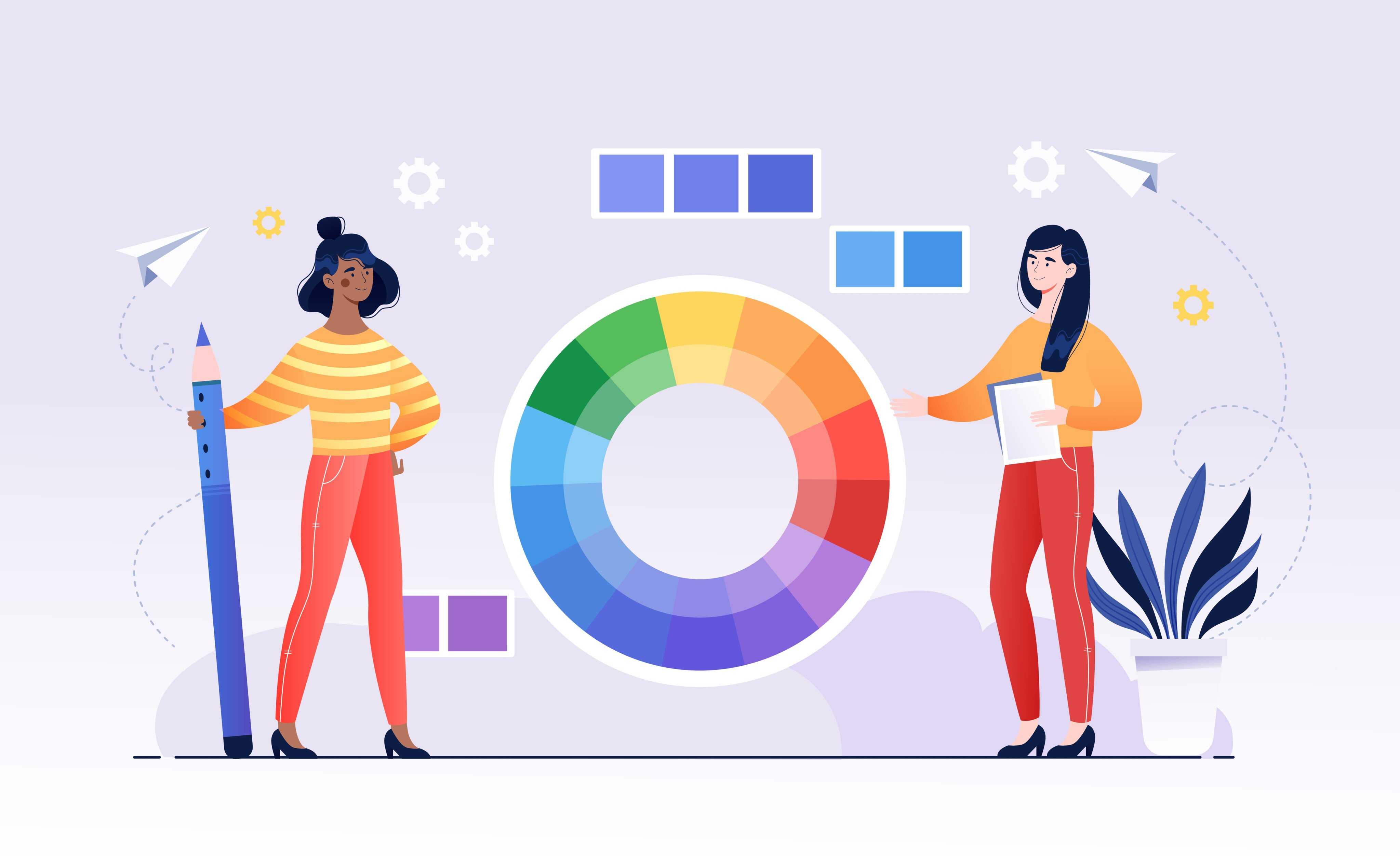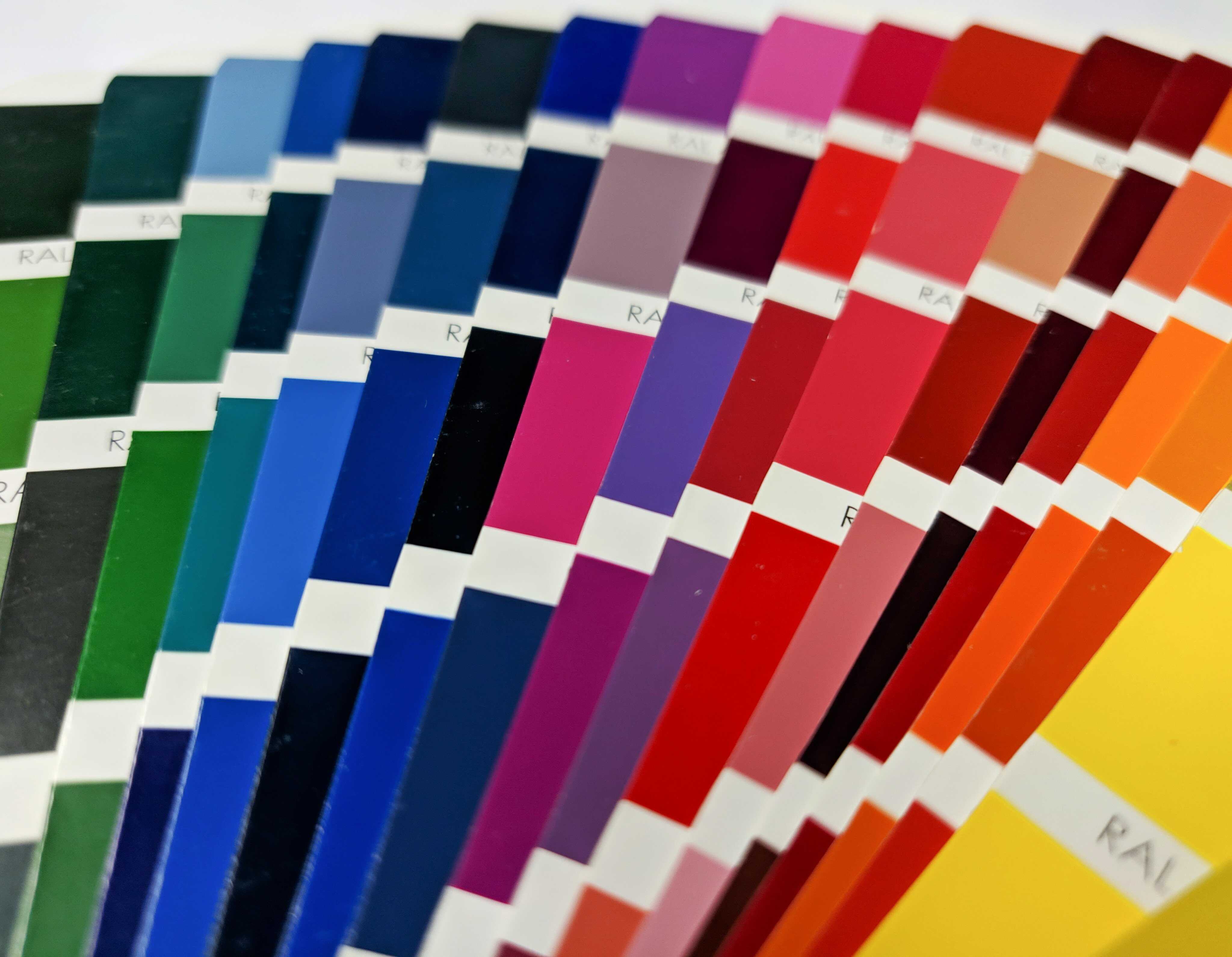
Colours have different meanings across cultures and beliefs. For instance, a colour may be associated with happiness and life in one part of the world, but have a negative connotation in another. The use of colour also changes depending on which emotions need to be evoked or what is most appealing to the target audience.
Whether the colour is present on the light spectrum or manifests through pigments – chemical compounds – there are a few things you should know and watch out for when using basic colours.
Black

Black was one of the first colours used by humans, which they got through pigments derived from coal.
In many Western countries, black represents death and mourning because it expresses a lack of light and joy. Black can symbolise evil and the unknown, but can also be linked to high-end elegance, formality, and authority – for example, “black tie” events are formal occasions for refined evening wear.
Some parts of Asia, such as Korea and China, link black to water, one of the five elements. Others, such as Japan, associate black with mystery and the unknown. In Taoism, the yin-yang symbol uses black to show feminine energy.
Blue

Blue is a primary colour, typically invoking melancholy and calm. In English, it may also be used to reference sadness, such as in the idiom “feeling blue.”
According to design and marketing firm Buzzword, blue can symbolise trust, security, and authority; this is why it is common to see blue corporate logos and police uniforms. It is also associated with being comforting and soothing.
In many Asian countries, the colour symbolises immortality and spirituality, but perceptions vary by country. The Macao University for Tourism notes that some regions in China view blue as inauspicious – a sign of bad fortune – and associate it with funerals. However, it is generally a neutral colour and has different connotations depending on the context.
Green

Green is on the opposite side of red on the colour wheel, so green and red are complementary colours. Whereas some people might feel anger when they see red, green can calm the brain and relax the eye.
In Italian, English, and Spanish, as well as a few other European languages, green can symbolise jealousy – hence the saying, “green with envy.” Ever since Shakespeare used the phrase “green-eyed monster,” illness and monsters have been associated with the colour.
However, green can resonate with serenity as well – in China, green jade holds significance as a symbol of fortune and prosperity. The colour is generally associated with wealth – in the US, the paper currency is green. Furthermore, green is the most common colour representing nature and is often used to symbolise the environment.
Pink
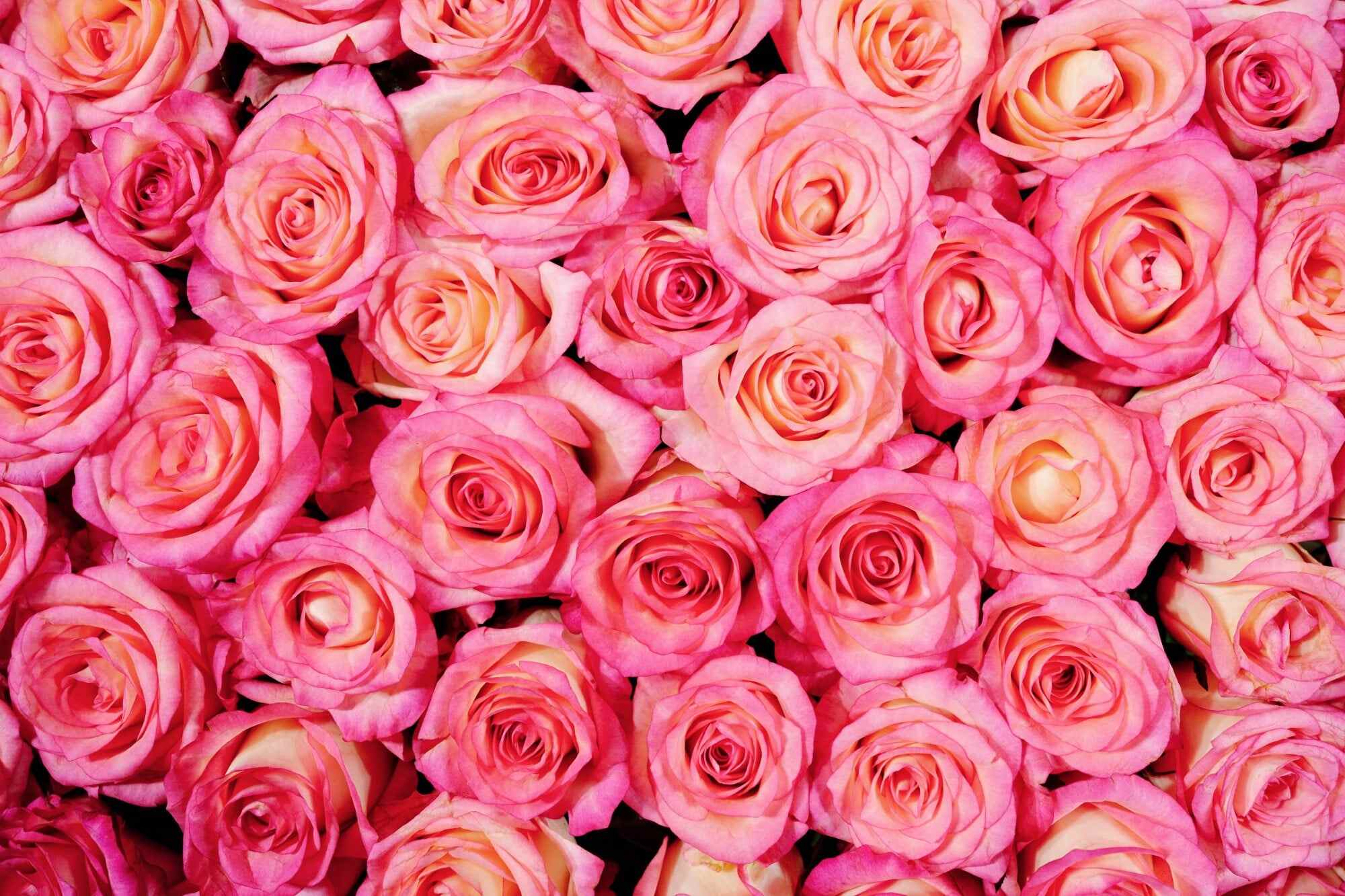
Did you know that pink is one of the oldest colours on Earth? According to a BBC story published in 2018, the oldest surviving biological colours were discovered to be bright pink pigments found in 1.1-billion-year-old rocks.
In Europe, pink was long considered a masculine colour because it was related to red, which is seen as an aggressive shade. This began to change in the mid-19th century when men started wearing darker colours. By the early 20th century, industrialisation had led to an increase in cheap dyes like magenta, and pink entered the mainstream. It became more gendered around the 1950s, when marketing in post-WWII America turned it into a symbol of femininity.
Pink’s significance is historical and political. It is used as a modern emblem of femininity, protest, and queer identity, especially after World War II. However, its meaning and public perception of the colour have shifted throughout the years.
Red

Red is the first primary colour that human babies can see, just a few weeks after birth. It is typically used to represent strong feelings or ideas, especially anger, such as in the phrase “seeing red.”
In most countries, red can symbolise love, passion, and romance. However, it can also represent danger, urgency and anger; stop signs and fire trucks are painted red, and red is often used to highlight mistakes in text.
Many East and South Asian cultures associate red with luck, prosperity, and vitality; it is often used to ward off evil spirits and attract good fortune. However, there are also negative connotations linked to death, cutting ties, and intense anger – one should avoid writing a name in red, as it signifies that the person is dead.
White

Did you know that white light is a mix of red, green, and blue light? The colour white often symbolises purity in the West, which is why the Pope has worn white since 1566, and it was a prominent royal colour for the kings of France. However, white is also associated with ghosts.
In certain parts of Asia, white is the main mourning colour. It can also represent the metal element in Feng Shui and the five elements, and air in Buddhist culture.
Yellow

According to the BBC, school buses in the US are yellow because other colours only stimulate one photoreceptor cell in our eyes, which converts light into chemical signals. However, yellow stimulates two, making it a colour you can’t miss. Bright yellow can also trigger feelings of happiness and creativity.
Yellow is a primary colour, but a secondary colour in RGB (red, green, and blue) light models, mixing green and red. This is because our retinas register yellow by stimulating both red and green cone cells simultaneously.
The colour yellow is often linked to joy and warmth – however, it can also elicit caution due to the urgent attention it commands. In Ancient China, the colour yellow was specifically meant for the emperor. In Ancient Egypt, yellow represented the gods, who were described as having golden skin.