Every week, Talking Points gives you a worksheet to practise your reading comprehension with exercises about the story we’ve written.
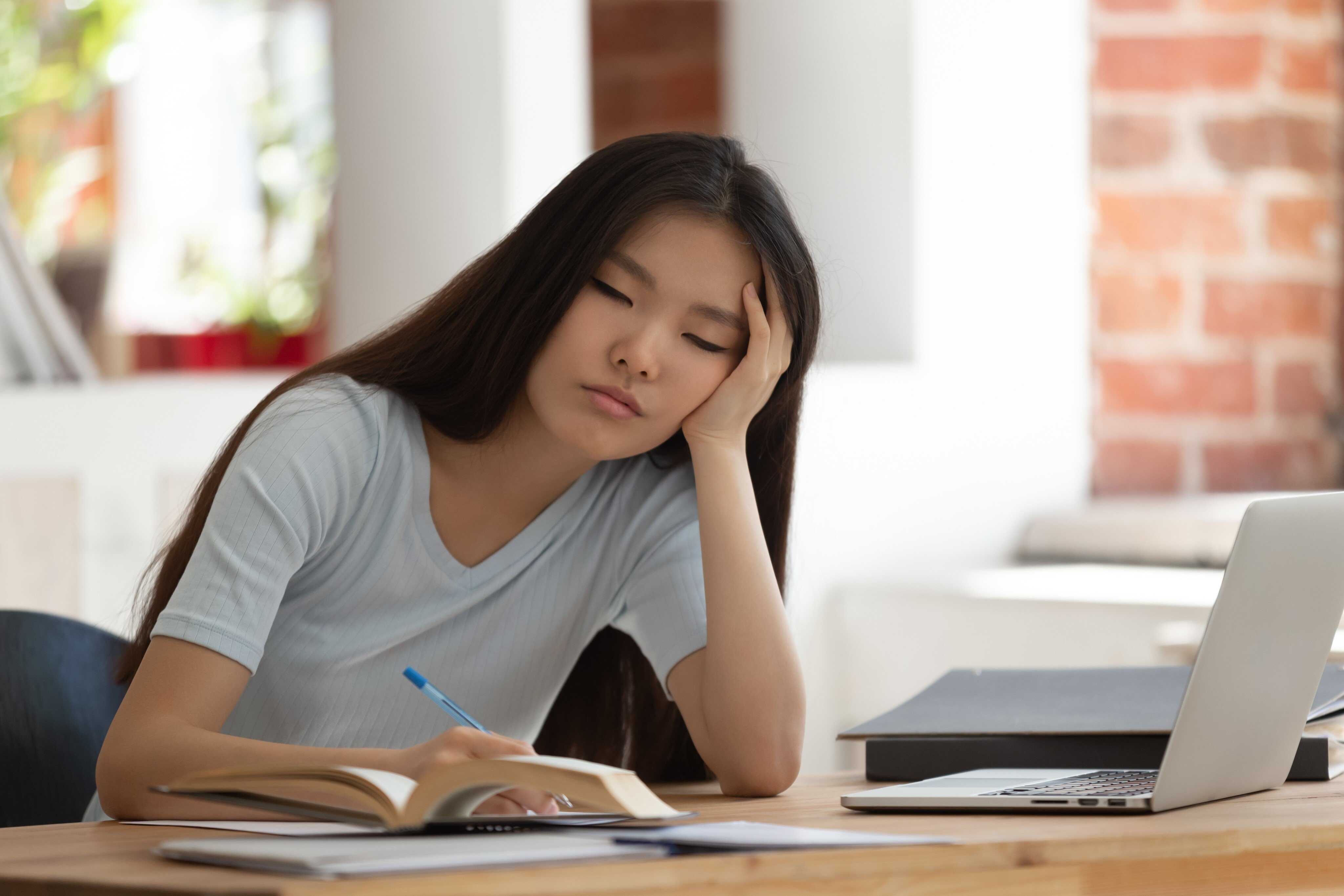
In places like Hong Kong, students face pressure to do well in school. Play is often seen as a reward to be earned only after assignments are done.
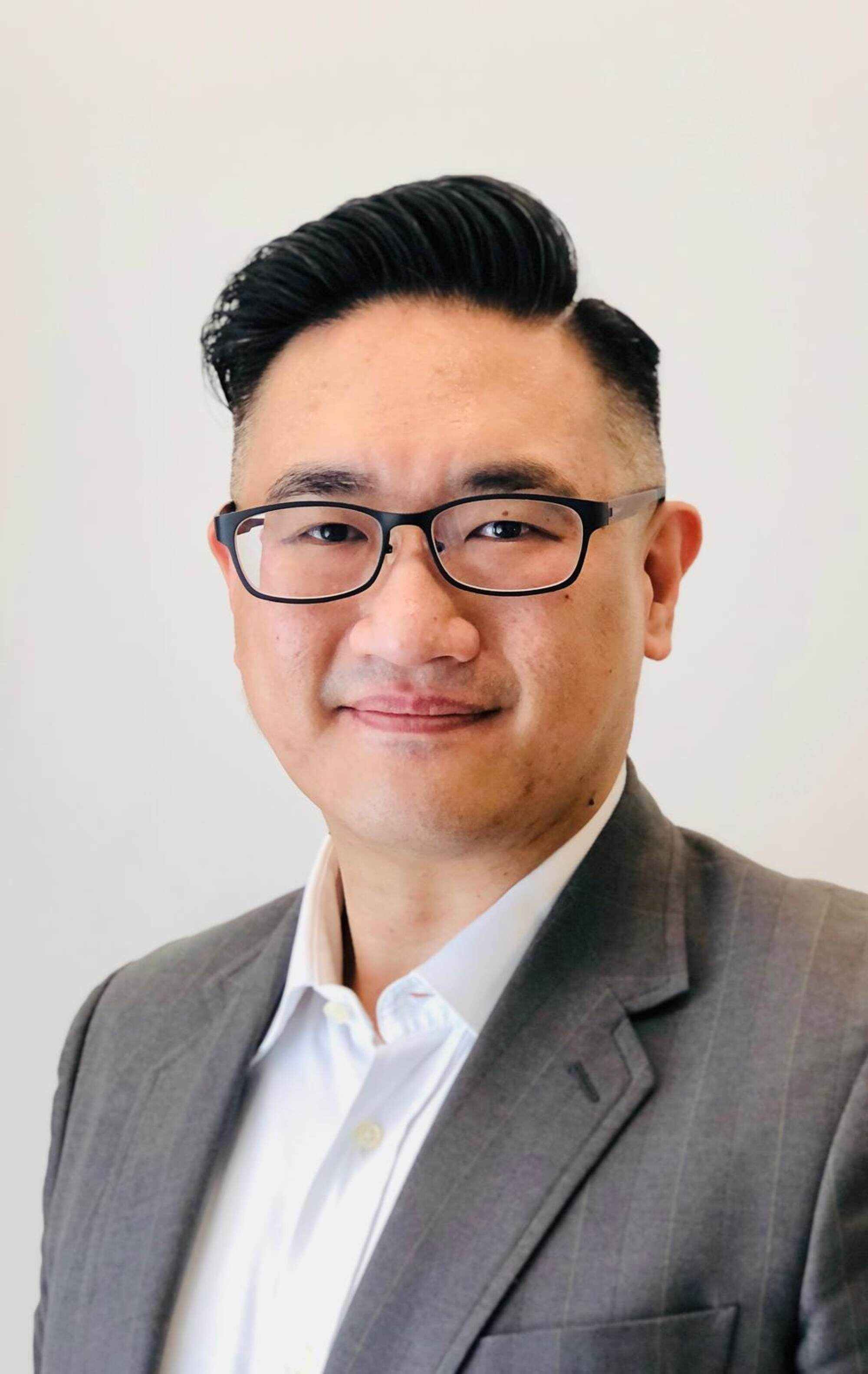
But according to Avis Ngan, a clinical psychologist in Hong Kong, this approach is backwards. Ngan argued that youngsters need to play if they want to become healthy adults.
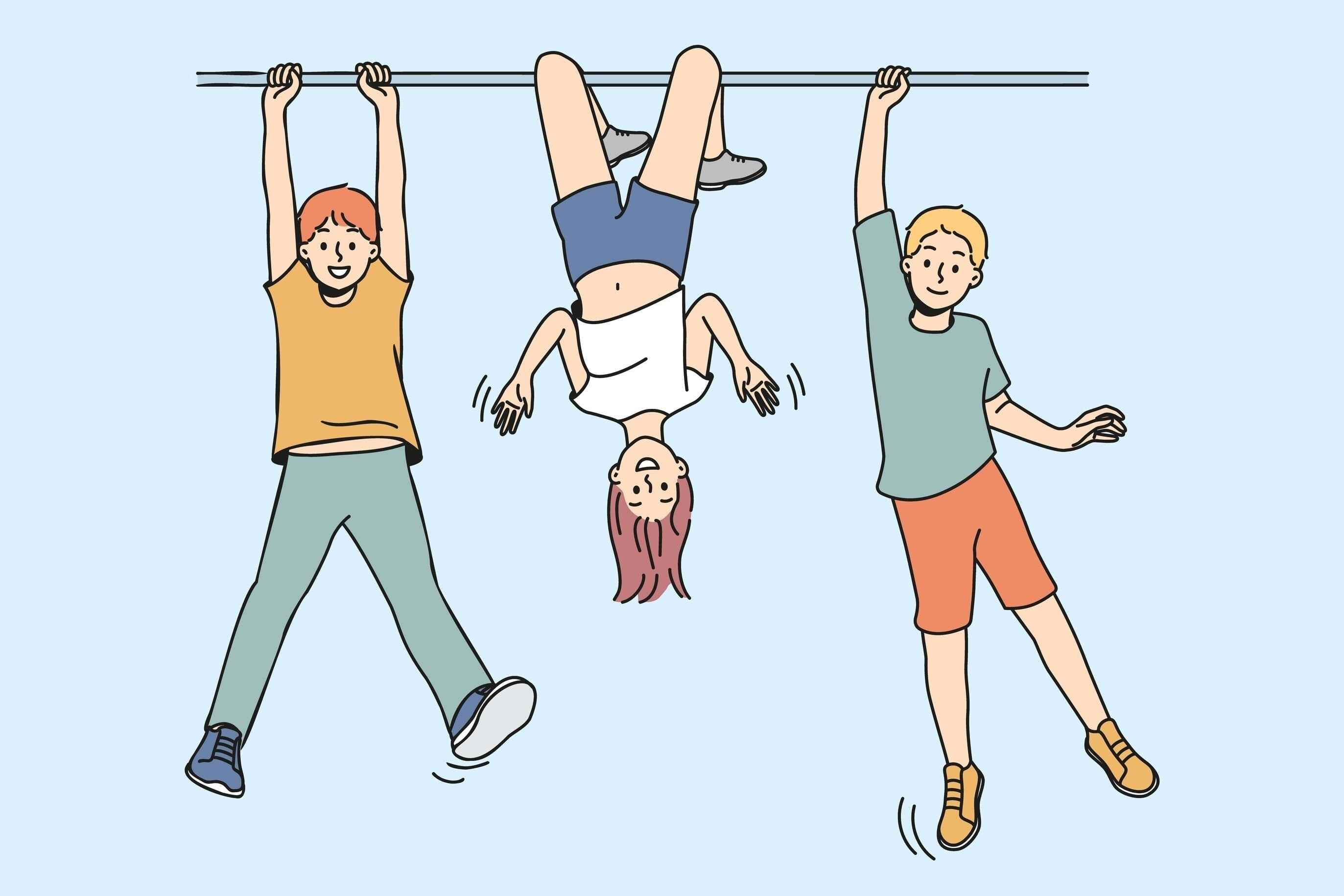
He defined play as an activity that is unstructured, enjoyable, independent and social.
“For a 15-year-old in Hong Kong, this might look like wandering Mong Kok with friends with no agenda, shooting hoops without keeping score, making short videos for fun rather than trying to gain followers, or simply lying around with friends,” he said.
He warned that every hour should not be filled with tutorials or extracurriculars. Teens need time to build their identity, relationships and independence.
“We then wonder why so many university students in Hong Kong report feeling empty, disconnected or unsure of who they are,” he said.
Play’s effect on the brain and body
In the brain, play is key for the prefrontal cortex, Ngan noted. This part of the brain is responsible for impulse control and flexible thinking.
Play could also be a “reset button” for students who are often stressed, Ngan said.
He explained that 30 minutes of play could help the body rest and restore itself.
When you are stressed, your body releases a hormone called cortisol. But laughter, movement, socialising and having independence can help reduce the harmful effects of cortisol.
“Children who never get that reset are essentially marinating in cortisol,” he said.
He added that cortisol could harm your memory, concentration, health and ability to handle emotions.
According to Ngan, many children who do not have time to reset often develop a weak sense of self that is only based on their achievements. This often leads to anxiety or depression when they are young adults.
“We see this in clinical practice in Hong Kong regularly,” Ngan said.
“The child who never played freely often becomes the young adult who has no idea what they enjoy, what they want or who they are outside of their achievements. Most importantly, they don’t have space to feel their emotions.”
Training is not play
Ngan said people should also understand that play is not the same as training, such as piano lessons or organised sports.
If an adult decides the activity and the child cannot walk away from it, it is training, not play. In true play, children decide what to do and want to continue even if no one is watching.
“A child kicking a ball against a wall by themselves, making up rules about what counts, deciding to stop and do something else: that’s play. The same child in football practice running drills – that’s training,” Ngan said.
“Both matter, but they build different things, and one cannot substitute for the other.”
Ngan added that Hong Kong does not have many open green spaces for children. Playing in nature helps them to engage all their senses, handle risks and use their creativity. Indoor or online spaces struggle to create this type of play.
“What we lose is the kind of play where children encounter manageable risk, make their own boundaries, and experience ... freedom,” he said.
Ngan said students should have at least one hour a day of unstructured play.
“No educational objective, no assessment. The child chooses. The child leads,” he said.