Deep Dive delves into hot issues in Hong Kong and mainland China. Our easy-to-read articles provide context to grasp what’s happening, while our questions help you craft informed responses. Check sample answers at the end of the page.
News: Where is Hong Kong’s heat action plan?
-
New research finds extreme heat may have contributed to 3,238 excess deaths in the city over a decade
-
The lack of a heat-health action plan puts most vulnerable residents at risk, experts warn
Neither Hong Kong’s first five-year plan nor its latest policy address included a systemic heat-health action plan.
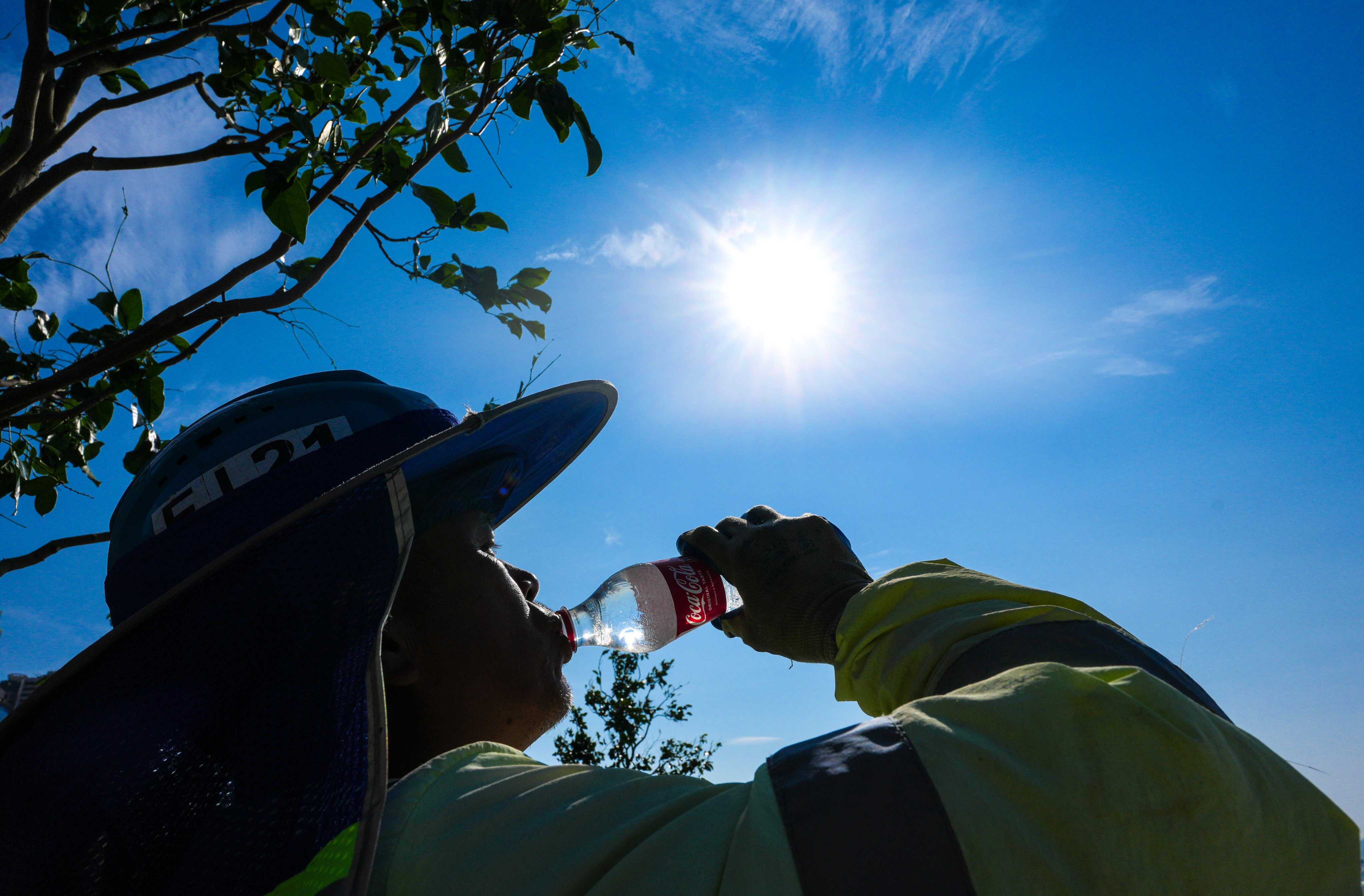
The omission is worrying environmentalists and academics. They warned that “common sense” is not enough to protect vulnerable residents. Their comments came as new research found that extreme heat might have contributed to 3,238 excess deaths in the city over 10 years.
Chief Executive John Lee Ka-chiu delivered the five-year blueprint and the annual policy address in September. Despite rising temperatures, neither included a comprehensive plan to address urban heat.
The policy address did propose a new management system driven by artificial intelligence. It is called the “AI city brain”. It aims to improve collaboration between departments in extreme weather or similar incidents.
The World Health Organization outlines what is needed in a heat-health action plan. It includes management, early warning systems, surveillance and outreach.
“Including a heat action plan in the policy address or the five-year plan … could ensure heat adaptation and resilience as a citywide priority,” Prudence Yeung said. She is a Greenpeace Hong Kong campaigner.
“[It would] provide a foundation for investment in heat resilience infrastructure, research and public awareness,” she added.
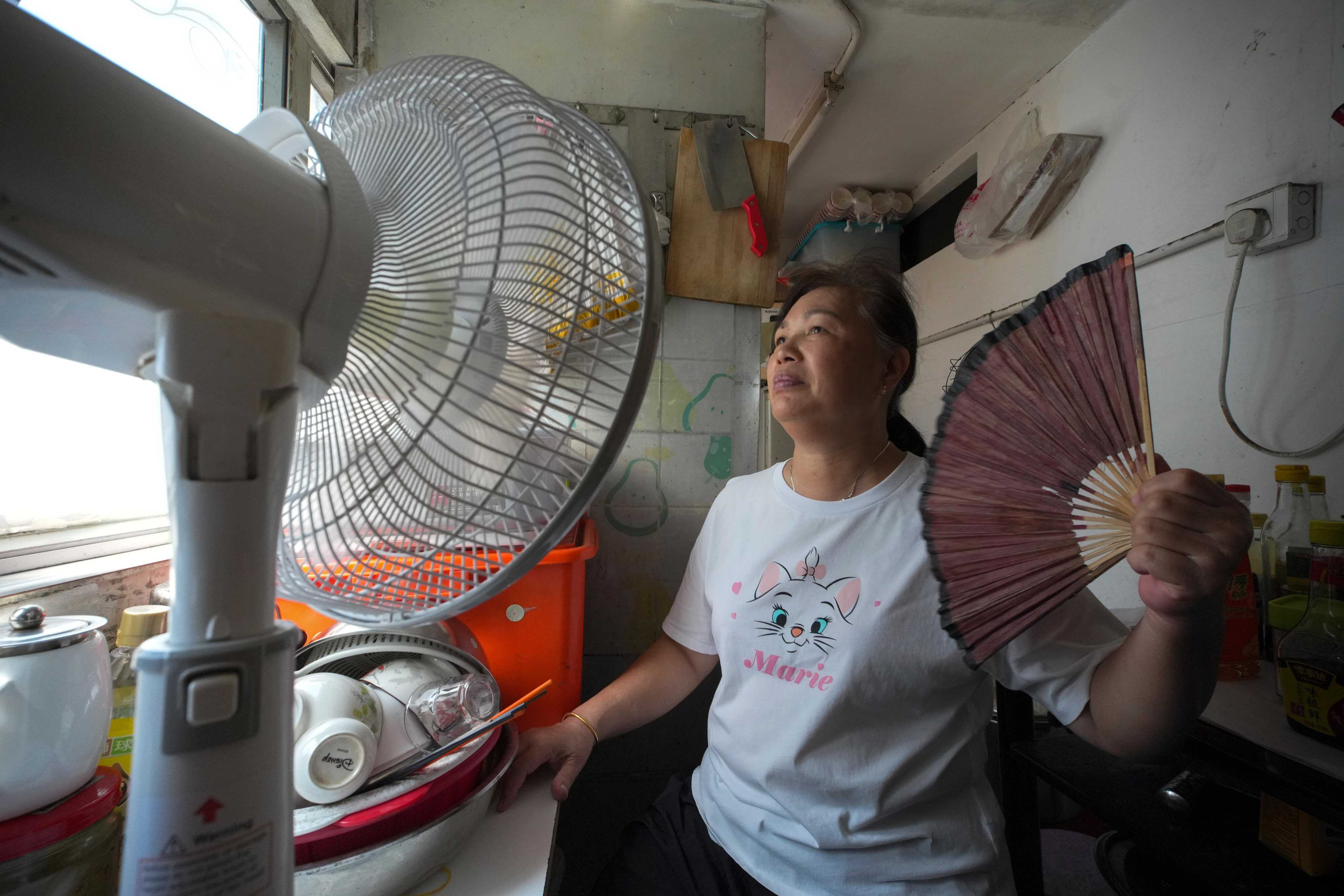
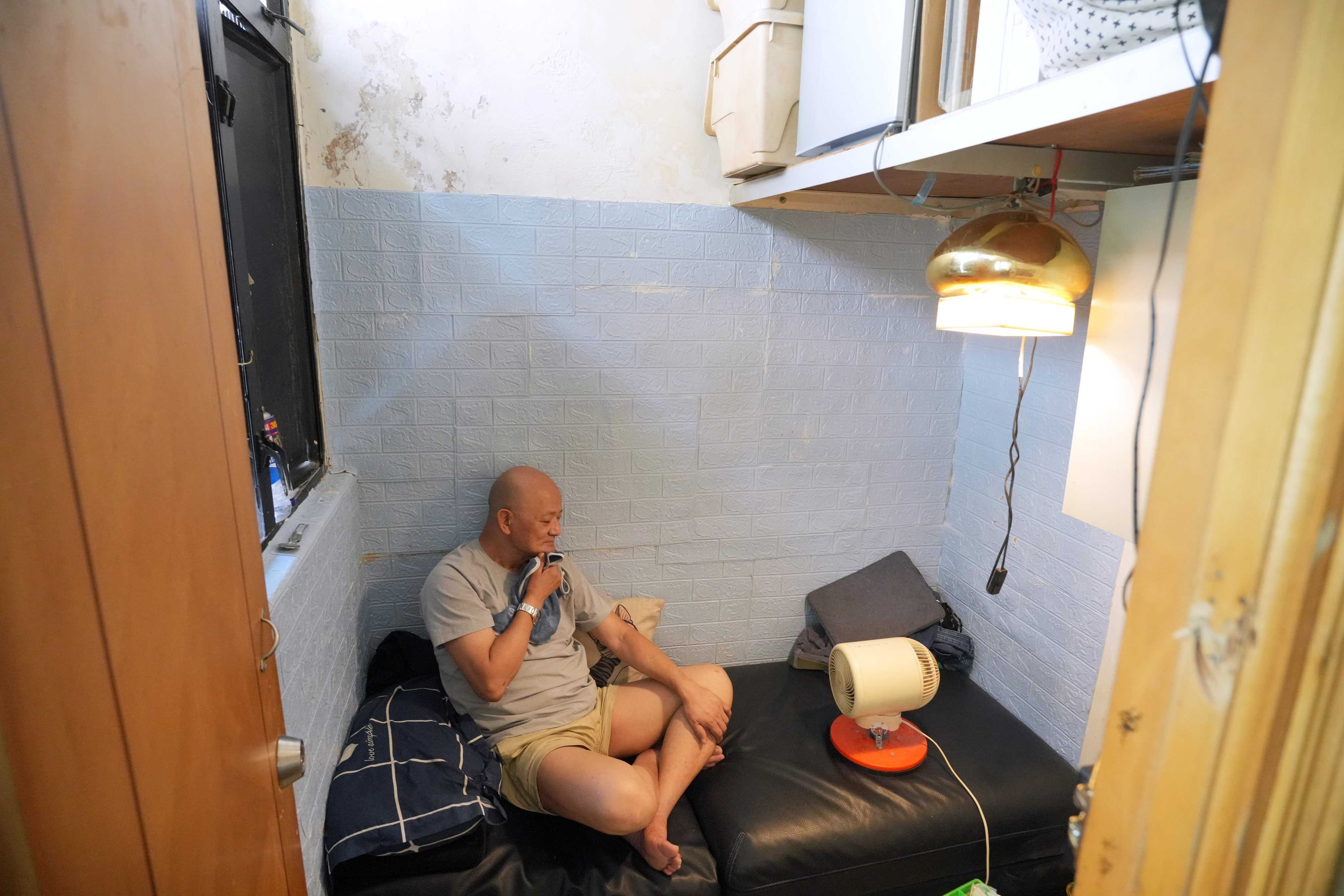
A Greenpeace survey from August found that nearly 80 per cent of low-income elderly people in Hong Kong report some form of distress during extreme heat.
Professor David Bishai is the director of the school of public health at the University of Hong Kong (HKU). In a study currently under peer review, Bishai and other researchers revised figures from 2024.
Previously, heatwaves were thought to have contributed to 1,677 excess deaths in Hong Kong between 2014 and 2023. The new estimate put that figure between 1,455 and 3,238. Bishai said the preventable excess deaths had largely gone unrecognised, as the people who died had underlying illnesses. The numbers focused on heatstroke, which is rare.
“An action plan in the face of extreme heat can be helpful in reducing death rates,” Bishai said. “We know just leaving it to common sense is not working, because we are still seeing these excess deaths during heatwaves.”
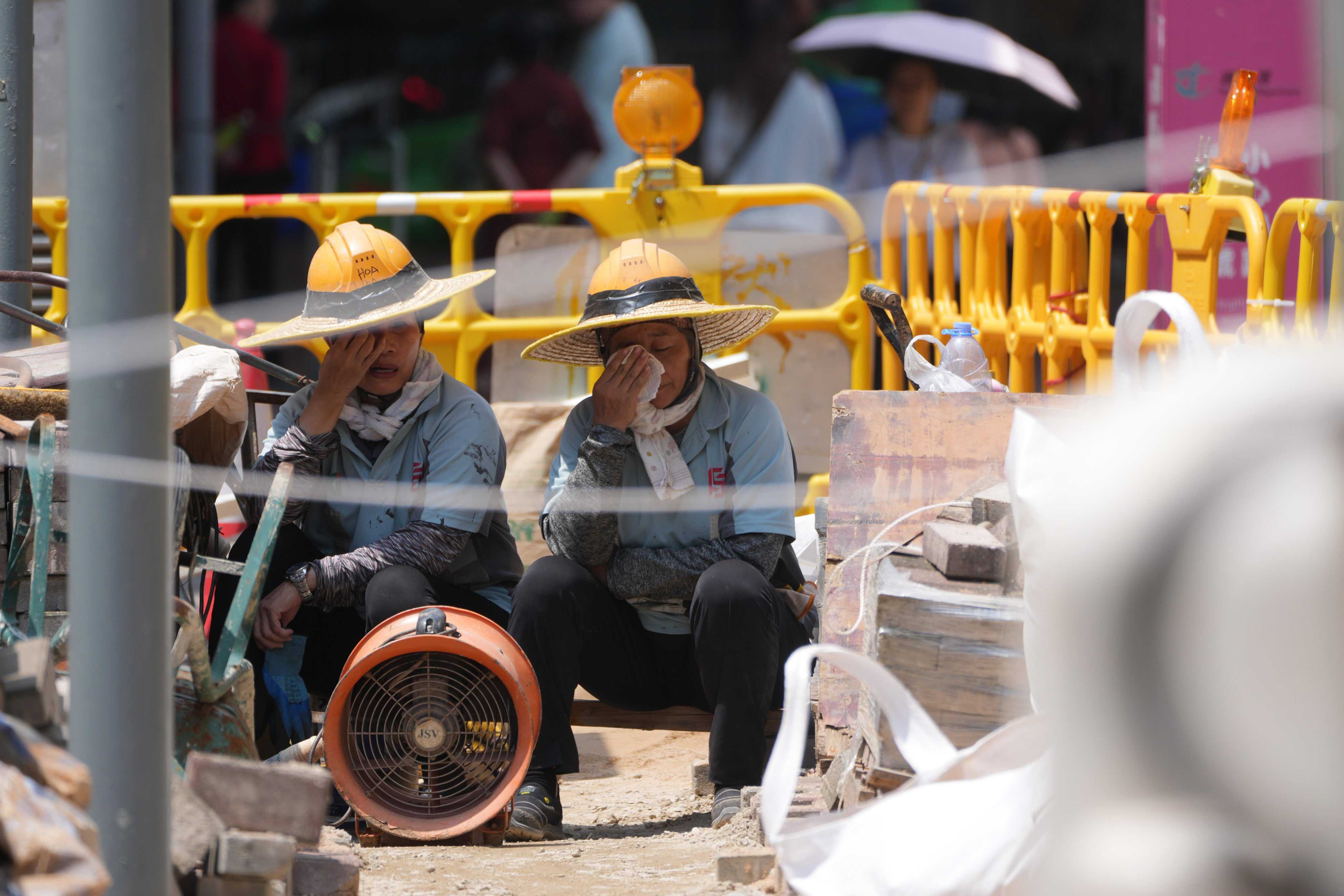
The Labour Department does issue heat-stress alerts for outdoor workers. The system was recently reworked following criticism.
The Department of Health provides public health advice.
Ren Chao is an HKU professor who specialises in climate-responsive design. She said heat-risk mapping was necessary to visualise areas experiencing hot days and nights.
Staff writers
Question prompts
1. According to the information in the news, which of the following statements is false?
(1) New research showed extreme heat may have caused more than 3,000 excess deaths in Hong Kong over a decade.
(2) The annual policy address delivered in September by Chief Executive John Lee Ka-chiu included a comprehensive heat-health action plan.
(3) The proposed “AI city brain” system aims to enhance collaboration between departments during extreme weather events.
(4) Nearly 80 per cent of all high-income elderly people surveyed in Hong Kong reported some form of distress during extreme heat.
A. (1), (2) only
B. (1), (3) only
C. (2), (4) only
D. (3), (4) only
2. Name ONE positive outcome of including a heat action plan in the policy address or the five-year plan.
3. Why did David Bishai say “leaving it to common sense is not working”? Explain using the news and your own knowledge.
Chart
Question prompts
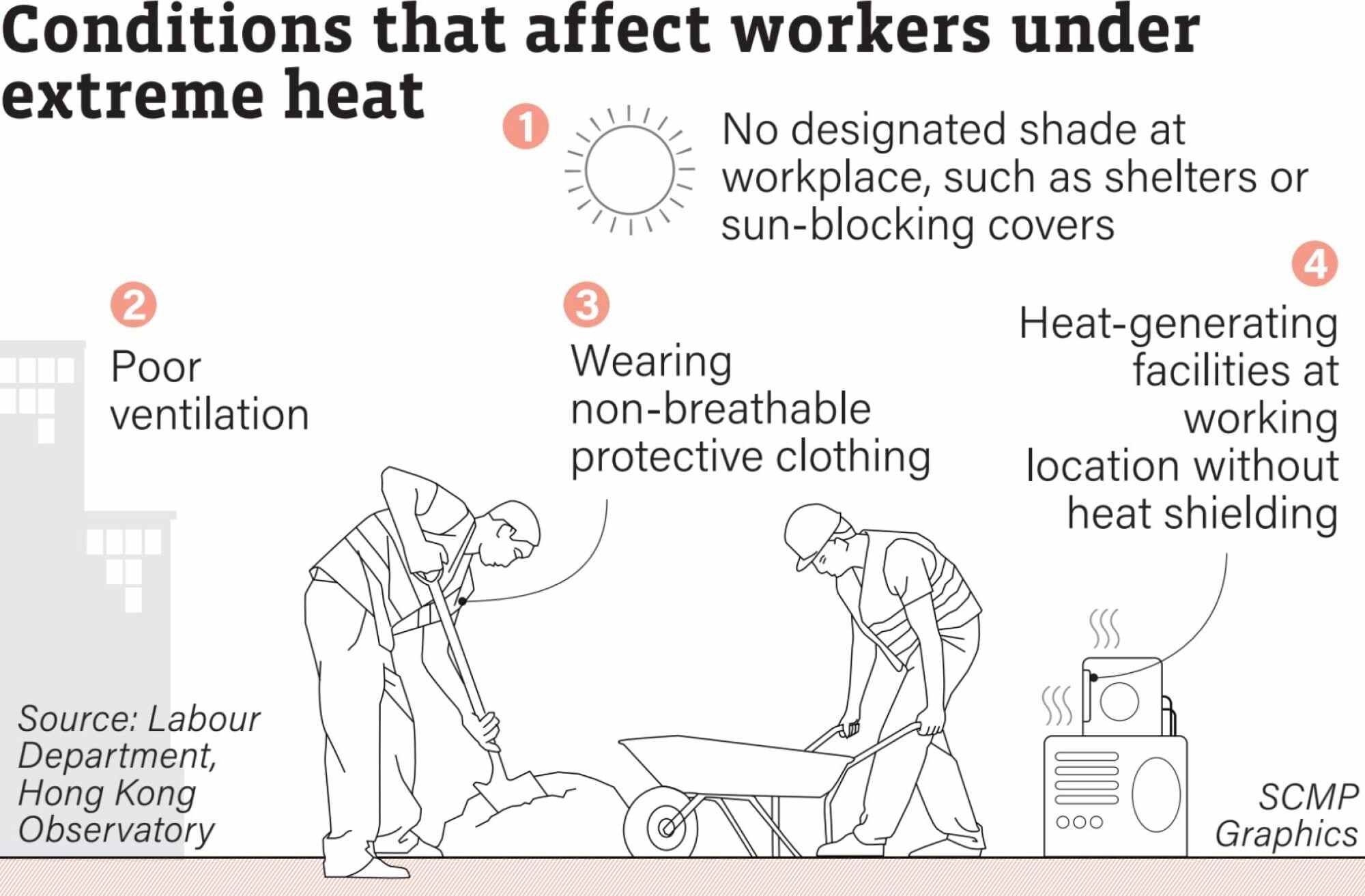
1. Use the news and glossary to explain what heat stress is and how it affects labourers who work outdoors.
2. Which groups of people would benefit most if Hong Kong created a systemic action plan that tackles heat? Explain using the news, glossary and your own knowledge.
Glossary
-
AI city brain: a system powered by artificial intelligence that links urban data, such as landslide monitoring, traffic flow, weather and public complaints, to manage emergencies and improve services
-
heatwaves: prolonged periods of excessively high temperatures, often with severe consequences for human health, ecosystems and infrastructure. In Hong Kong, temperatures during heatwaves typically exceed 33 degrees Celsius.
-
heat stress: the physical strain on the body caused by severe heat, which occurs when the body absorbs more heat than it can dissipate
-
heat-risk mapping: visually identifying and mapping areas that experience high temperatures across different districts to communicate heat risks to the public and guide relief efforts
Sample answers
News
-
C
-
It would help prevent heat-related mortality and other excess deaths, for example through proactive welfare checks on vulnerable groups. / It provides a clear policy framework for interdepartmental coordination instead of relying on reactive, common-sense measures. (accept all reasonable answers)
-
Professor David Bishai said this because relying on common sense has not prevented deaths during heatwaves, with new research showing that extreme heat may have caused up to 3,238 excess deaths in Hong Kong over ten years. Many of these deaths are unrecognised because heat worsens existing chronic illnesses like heart or lung conditions rather than showing up as simple heatstroke. Without a clear government action plan, such as early warning systems, cooling shelters and targeted outreach, vulnerable people like the low-income elderly cannot protect themselves using common sense alone. (accept all reasonable answers)
Chart 1
-
Heat stress is the physical strain on the body caused by severe heat, which occurs when the body absorbs more heat than it can get rid of. Outdoor labourers are strongly affected because they work directly in hot, sun-exposed environments with factors that worsen thermal strain, such as having no designated shade, poor ventilation, wearing non-breathable protective clothing and working near heat-generating equipment without heat shielding.
-
The groups that would benefit most are outdoor workers, low-income elderly residents and people with chronic illnesses. Outdoor workers need proper rest schedules and protected workplaces to avoid severe physical strain from continuous heat exposure. Low-income elderly residents often live in poorly ventilated homes without affordable air conditioning or nearby green spaces, making them vulnerable to physical and mental distress during heatwaves. Finally, people with chronic conditions like heart or lung diseases face a higher risk because extreme heat worsens their underlying health problems, leading to thousands of unrecognised excess deaths. A clear government action plan would protect these vulnerable groups through shelters and health outreach.