Do you have a personal question you’ve been too afraid to ask? Whether it is about school, family or your social life, you can share it with us through this form. Don’t worry, you’ll remain anonymous.
Dear Friend,
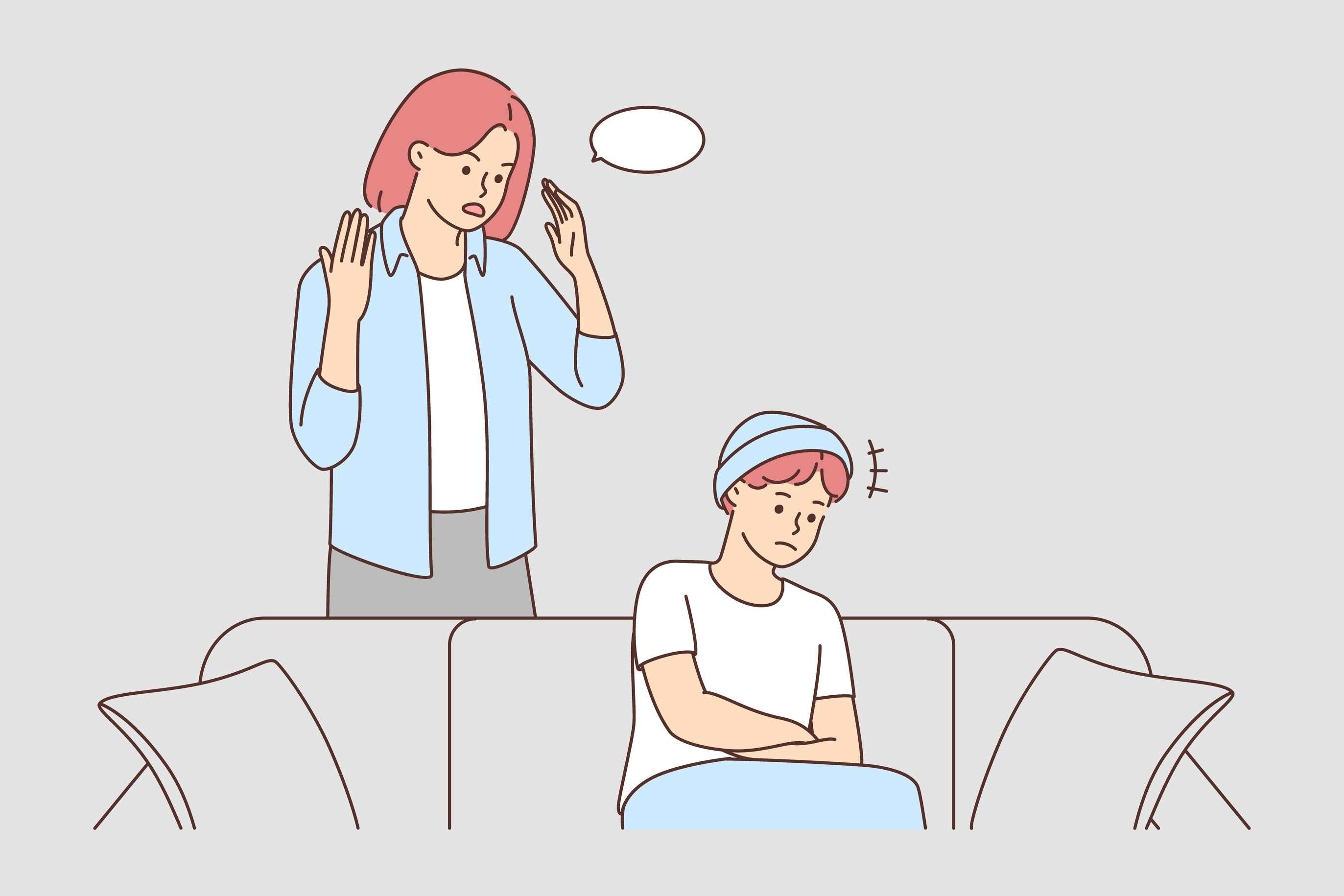
I think my parents treat me much better than they treat my younger sister. For the past one or two years, my sister has been ignored, scolded and slapped by my mother. Recently, my mother even threw my sister’s phone at her. I really want to help her. What can I do?
Signed, Caring Sister
Dear Caring Sister,
It is truly difficult to watch someone you love being treated poorly, especially when you notice a stark contrast to how you are treated yourself. This sense of unfairness you feel reflects your deep empathy and the bond you share with your sibling.
Standing up to parents can be quite intimidating. They hold authority in your life, and it is natural to feel uncertain about addressing difficult issues.
A simple first step, which you may already be doing, is to be a dependable source of emotional support for your sister.
When the world feels harsh for her, you can be her safe harbour. Offer a listening ear without judgment, a comforting hug when things get tense or spend quality time playing together. These moments of normalcy and affection can serve as a buffer against the negativity she faces.
If it is safe for you, consider speaking up. Your perspective is valuable because you have first-hand insight into the situation, and your voice matters more than you may realise.
Depending on your comfort level, you might try the following approaches.
-
Target the most responsive parent. Often, one parent is more approachable than the other. If there is a parent who is typically more open to hearing your feelings or more reflective, ask for a private moment to speak with them.
-
Write it down: If speaking aloud feels too difficult, or if you are worried about not being able to express your thoughts and emotions clearly, try sending a text or writing a letter. This allows you to choose your words carefully and gives your parents time and space to process what you’ve said without the pressure of an immediate, face-to-face reaction.
-
Enlist a trusted adult. You don’t have to carry this weight alone. Share your concerns with a relative, a close family friend, a teacher or a counsellor. When you speak to them, you can say, “I need to tell you something about what’s happening at home, but I am terrified of what will happen to my family if I do.” School counsellors are trained to handle these situations.
If you’re struggling to find someone in your life who can help, here are some support groups you can reach out to.
-
The Hong Kong Federation of Youth Groups (HKFYG) has Youth Spot centres throughout the city that you can visit. The organisation also provides the Youthline for immediate emotional support; call 2777 8899 for their hotline or find them on WhatsApp at 6025 7161. Go to their website for more resources.
-
Cease Crisis Centre provides multilingual support for anyone in need of support at home. Their 24-hour hotline 18281 has social workers ready to help you. Head to their website for details.
-
Youth Outreach provides crisis residential centres, temporary shelters and overnight outreach services for at-risk youth. Call or send a WhatsApp message to 9088 1023 or visit their website for more information.
Hang in there, Friend of a Friend
This question was answered by Katie Leung Pui-yan, a practising child and family therapist and partner at Therapy Partners.