Every week, Talking Points gives you a worksheet to practise your reading comprehension with exercises about the story we’ve written.
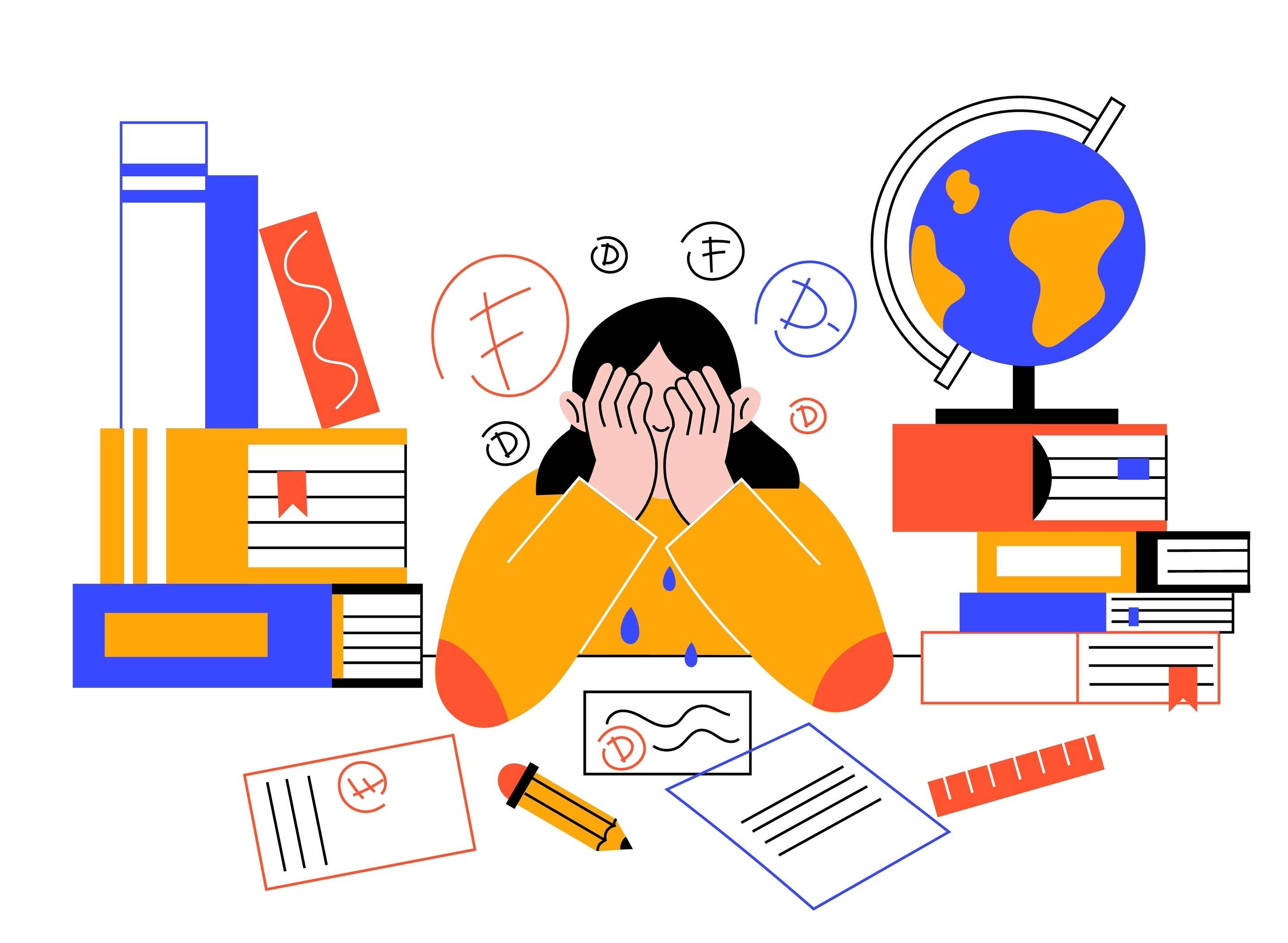
When you are stressed, do people often tell you to take a deep breath? While this advice is meant to be helpful, it can be difficult to follow when you are upset and overwhelmed.
Breathing is something we mostly do without much thought. But you may have noticed how it changes when you feel strong emotions like anger, frustration or sadness. Our breaths can become short and shallow because our bodies physically respond to our emotions. This type of breathing can actually make us feel worse.
Changing the way we breathe will help calm down our nervous system, which is our body’s command centre. It sends messages between our brain and the rest of our body, regulating our emotions and controlling how we move and feel.
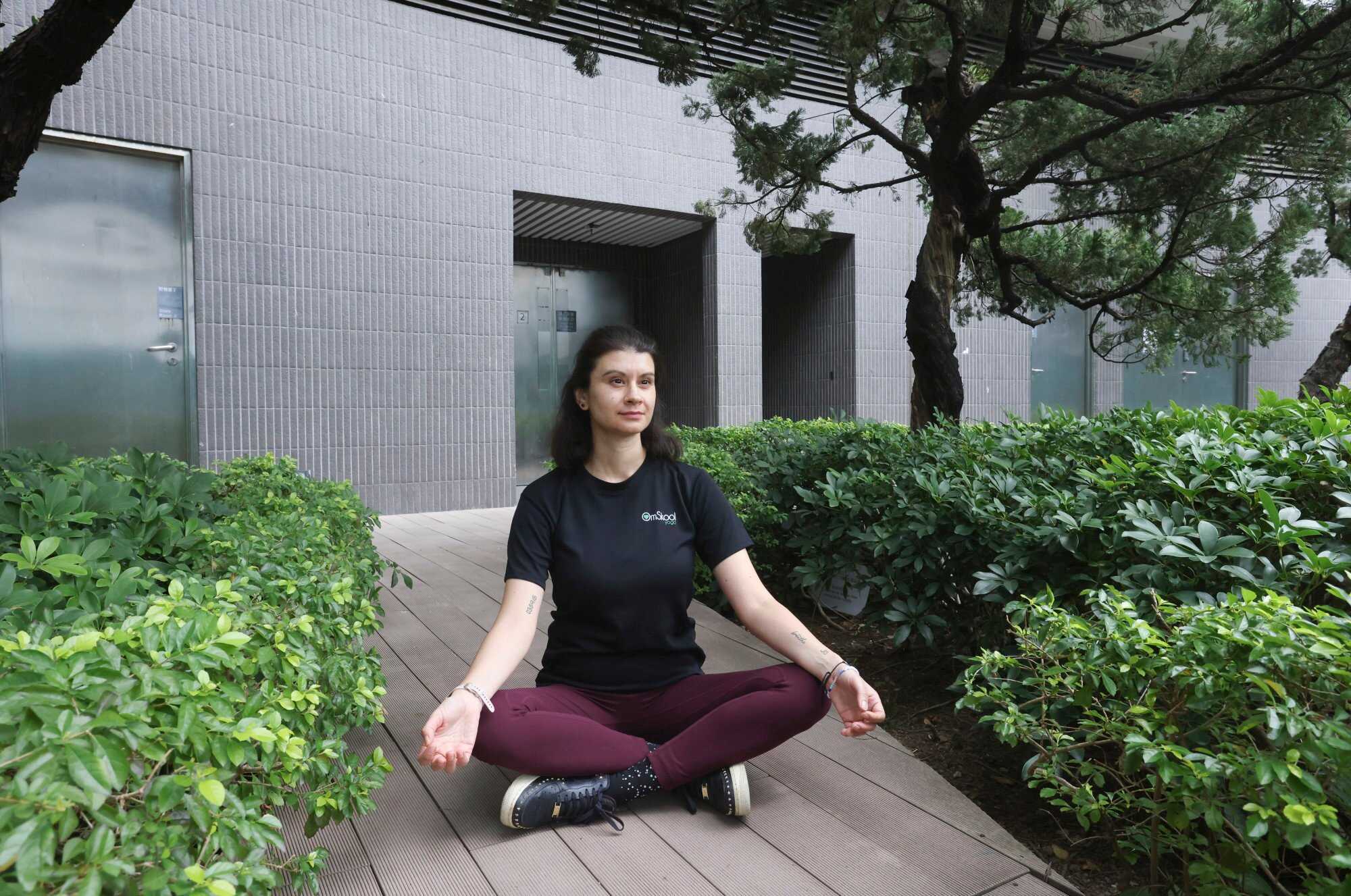
Slowing down and taking deep, mindful breaths is a great way to send a message to your brain to remain calm during times of stress. Here are a few breathing exercises to practise. Give them a go now so that you are ready when you need them.
Take five
This is a simple yet powerful breathing exercise that is great when you need a quick mental reset.
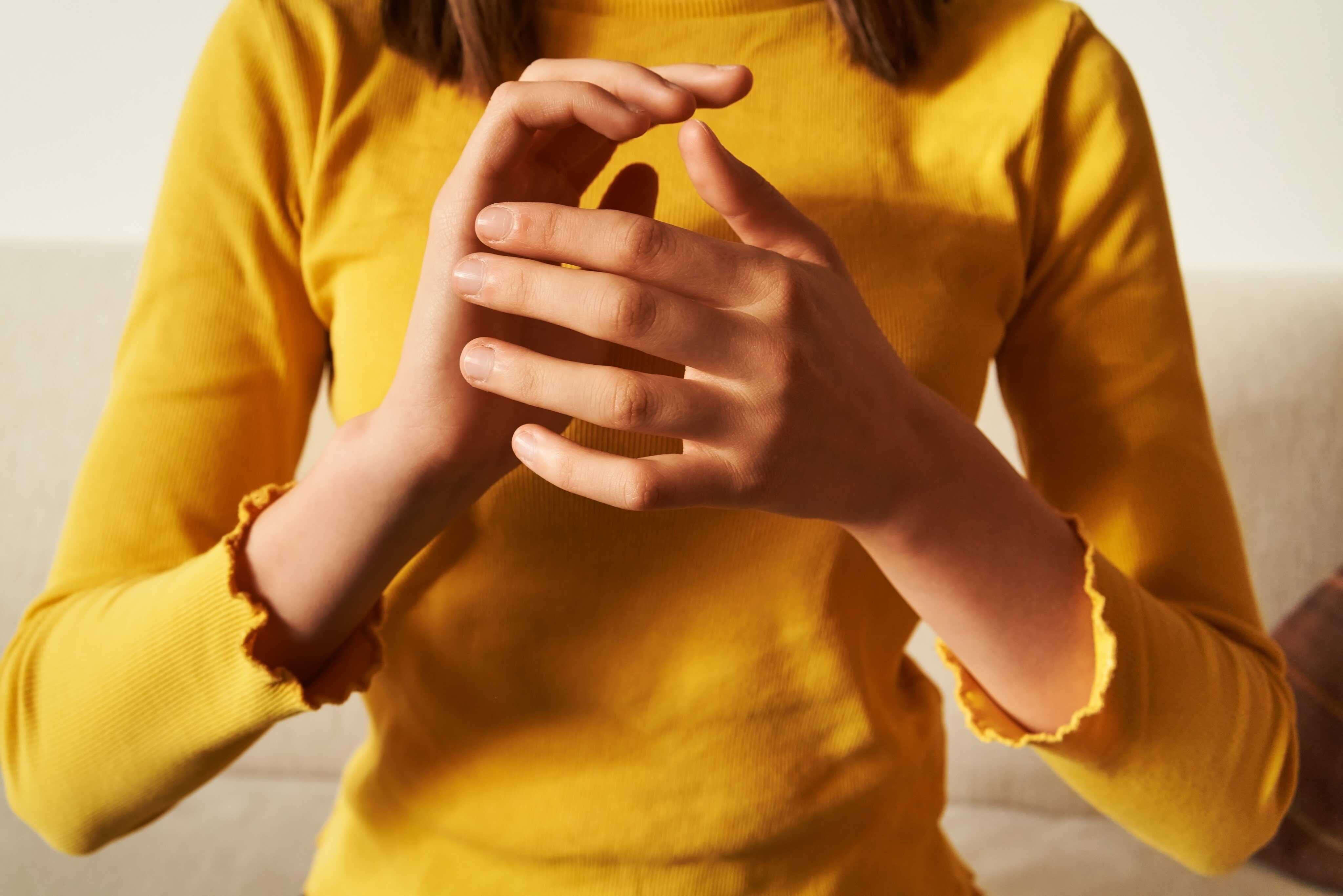
Hold your left hand out, making sure to spread your fingers. Then, using your right hand’s index or pointer finger, trace around your left hand’s thumb and fingers, breathing in as you trace up and breathing out as you trace down.
This should be about five breaths in total. Repeat a few times if you need to. Tracing your fingers and thumb gives you something physical to focus on. You can also think of the phrases “breathe in” and “breathe out” to help your mind focus. If you really take your time, it can amount to a minute of mindful breathing.
Belly breathing
This exercise is a great way to learn how to take deep breaths that really fill your lungs with air. This type of deep breathing is called diaphragmatic breathing. The diaphragm is a thin, dome-shaped muscle that usually moves down when we breathe in and up as we breathe out.
You can start practising this exercise while lying down, for example, in bed. Lie on your back and place one hand on your lower abdomen – your lower belly. Breathe in and out through your nose and concentrate on how you inhale and exhale. Take a few breaths like this.
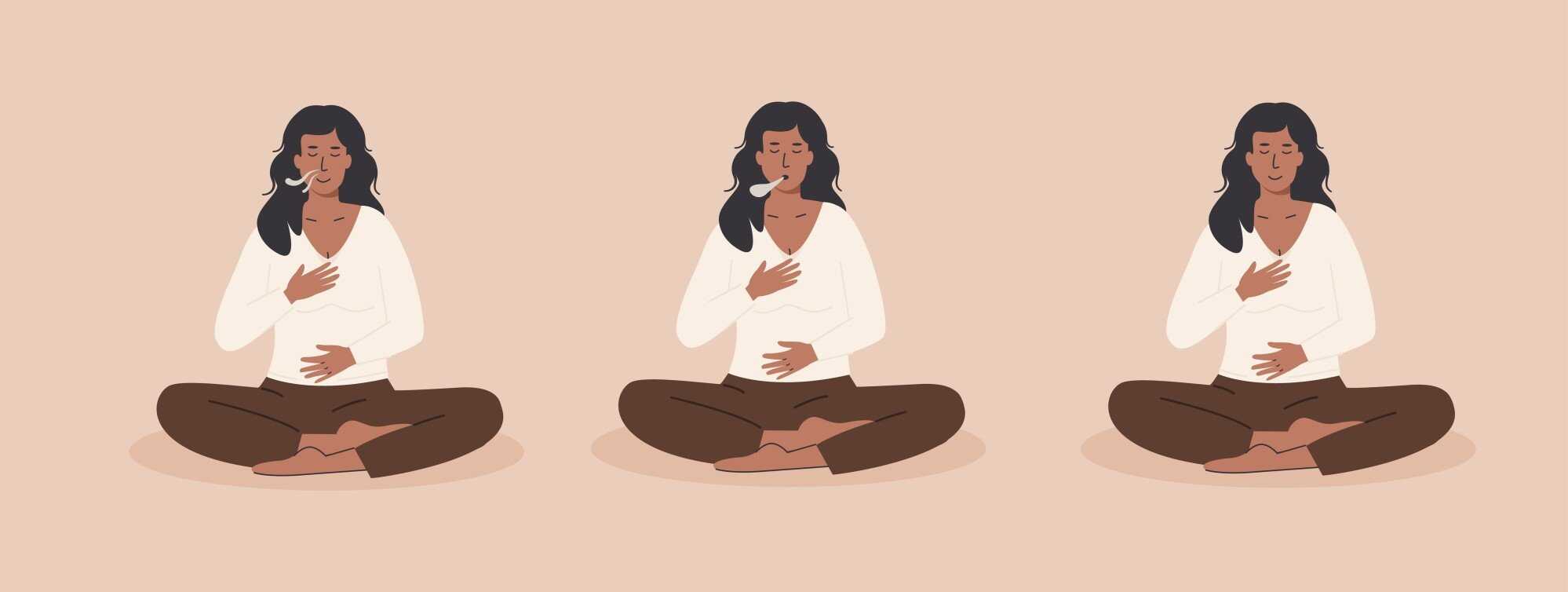
Next, think about the hand that is on your belly. Can you feel it moving? If not, try to deepen the breath you take in so that your hand rises with your belly. Imagine there is a balloon inside your belly that is filling with air.
Take your time as you breathe out so that your hand slowly lowers. Imagine the balloon deflating. Repeat the phrases “breathe in” and “breathe out” in your head to help you focus.
With some practice, you will no longer need to place your hand on your belly to check your breathing. And once you are really familiar with this exercise, you can try it while standing or sitting instead of lying down.
Hopefully, these breathing exercises will provide you with some relief in tricky situations.
To test your understanding of this story, download our printable worksheet or answer the questions in the quiz below.