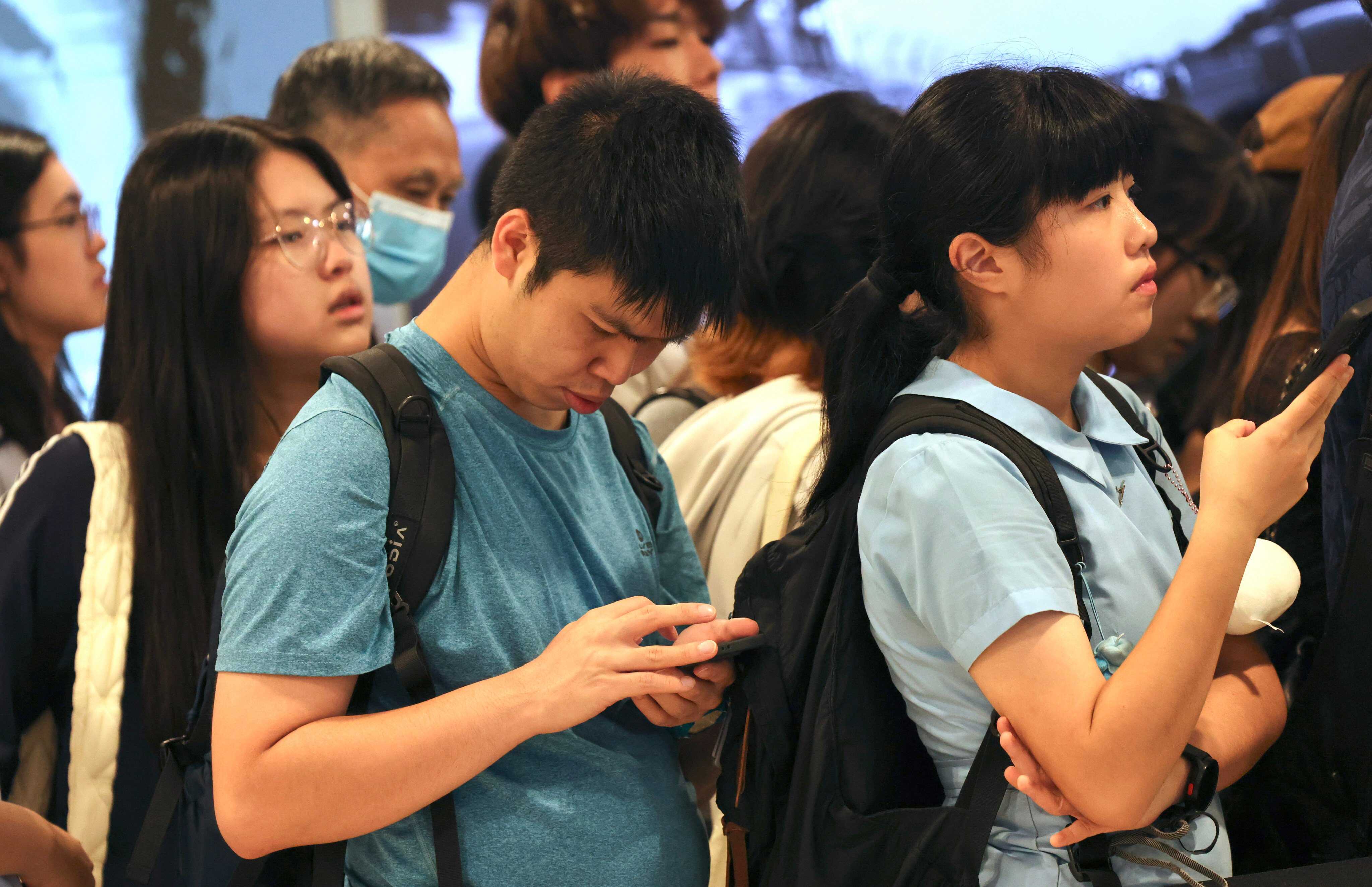
A survey has revealed that individuals from Hong Kong’s Generation Z often downplay the detrimental effects of social media on their mental well-being. Moreover, heavy users of these online platforms report feeling lonelier than their peers who use them less frequently.
The Hong Kong Christian Service (HKCS) polled 572 young people aged 11 to 24 between September and December last year to better understand the relationship between their use of social media and their level of isolation.
About 54 per cent of respondents were junior secondary pupils in Forms One to Three, followed by 37.4 per cent who were senior secondary students, the group said on Wednesday.
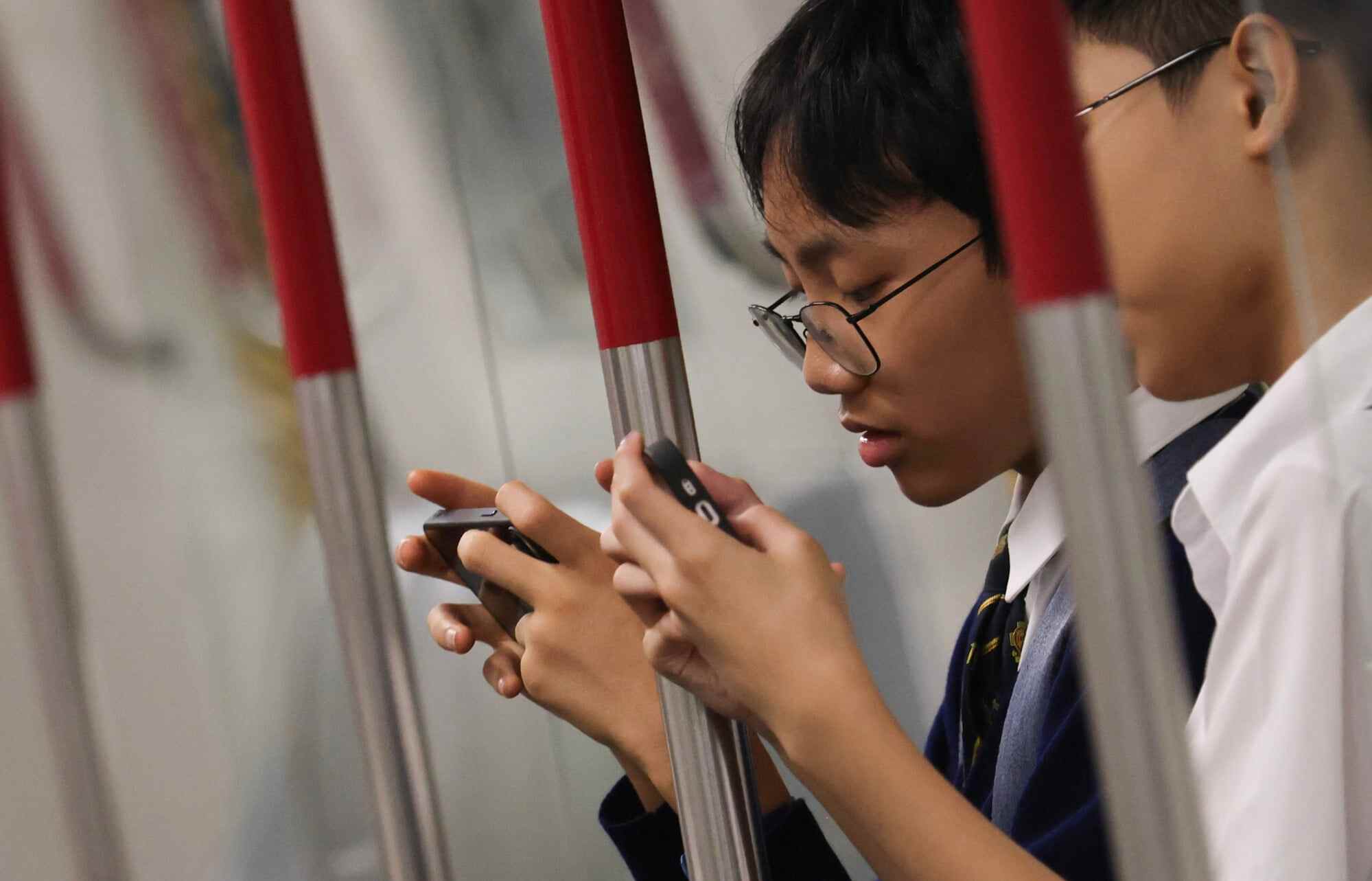
The poll found that 93.4 per cent of all respondents were active social media users.
Social media users scored slightly higher on the UCLA Loneliness Scale, averaging 20.5 points out of 40, falling between low and moderate levels of isolation, compared with 17.7 for non-users.
The poll found that 5.8 per cent of active users, or 31 respondents, were potentially experiencing severe social isolation, compared with just one non-user.
Respondents were also asked to rate their loneliness on a subjective scale, with social media users scoring an average of 4.5 out of 40 and non-users 4.3.
“When we use validated scales, we find their objective scores are higher, but they subjectively feel they are not that lonely,” said Jackie Chan Chi-wai, supervisor of the organisation’s Centre for Research and Development.
This disparity suggested that young people might easily underestimate how much social media affected their degree of loneliness, she said.
Due to this lack of awareness, intervention by others was crucial, the organisation said, suggesting that friends, parents and teachers observe emotional changes and help young people build positive real-world friend social circles.
“This is not just an individual issue, but something that requires different systems and people to work together,” said Phoebe Chan Hoi-man, service supervisor of HKCS’ School Social Work Service.
The findings also revealed that the level of loneliness among young people was influenced by negative online experiences and disengagement from the real world.
On a scale of zero to three measuring the frequency of negative online encounters, respondents scored an average of just 0.5 points, indicating that such incidents were relatively uncommon.
Negative experiences mostly related to interpersonal conflicts, such as being deceived, mocked, bullied or clashing with online friends, according to the group.
“Once a youngster with weak real-life connections encounters online negativity, their feeling of loneliness surges,” Chan said.
To improve digital wellness and enhance community support, the organisation suggested that the Department of Health update its guidelines on screen time.
“We hope that the relevant health guidelines will not only focus on screen time or physical health,” said Step Yuen Kiu-yan, team leader of the HKCS Sham Shui Po West Happy Teens Club.
“Instead, we recommend adopting a comprehensive health perspective that includes the impact of mental health, emotional development, loneliness, digital stress and negative online experiences.”
The group also suggested that schools, families, peers and young people work together to recognise early signs of isolation and foster positive offline connections.