Have something to say? Send us a letter using this form.
My journey as a GX youth ambassador
Agnes Or Yan-tung, Diocesan Girls’ School
Last October, as a Form Four student, I joined charitable NGO GX Foundation’s annual youth ambassador programme. At first, I wondered how someone my age could contribute to global humanitarian work; the world’s problems felt far too big. But the programme quickly reshaped my thinking.
I found that being an ambassador is not just about learning theory but about seeing it through practice, teamwork and reflection. Step by step, I began to see how the programme bridged the gap between student life and global impact.
My journey began at the GX Foundation’s “Global Headquarters Open Day”, where I had the chance to put theory into practice for the very first time. Alongside my schoolmates, I helped run a booth featuring a mini game about an East Timor water project.
To my surprise, members of the public eagerly joined the activity and asked thoughtful questions about the project with genuine enthusiasm. That moment made me realise that the GX Foundation projects truly mattered.
Later, I learned to brew coffee using beans from Cambodia and East Timor, countries where the foundation runs projects addressing water issues and cataracts, a condition that affects vision. Discovering that these beans support local farmers gave the experience a deeper meaning. Brewing coffee felt like a small but meaningful way to connect with the foundation’s wider mission of humanitarian service.

Building on that, the two-day internship programme offered a very different kind of experience. The “Dialogue in the Dark” session was unforgettable. Walking in complete darkness, guided only by voices, taught me trust and teamwork in a way I had never experienced before.
Following this, I joined fellow ambassadors on a research project on diabetes in the Solomon Islands. Moving from team-building exercises to tackling a real-world issue made me realise that, even as students, our ideas could help address global health challenges.
The most memorable stage of my journey came during Easter, when I travelled to Beijing for a diplomacy training programme at the China Foreign Affairs University. This trip expanded my horizons, showing how humanitarian work and diplomacy are deeply connected through lectures on international relations and global health diplomacy under the Belt and Road Initiative.
Another trip highlight was visiting the Ministry of Foreign Affairs, where we attended a press conference and had the chance to exchange views with spokesperson Mao Ning, director general of the information department. Together, these experiences laid a strong foundation for our coming participation in public health and humanitarian medical assistance programmes in July.
Looking back, the programme has been a journey of growth. It showed me that even as students, we can contribute to humanitarian service. I am grateful to GX Foundation for this opportunity, and I hope my experience encourages more young people to join.
Is 8am really too early to start school?
Sunny Chan San-yeung, St Mary’s Canossian College

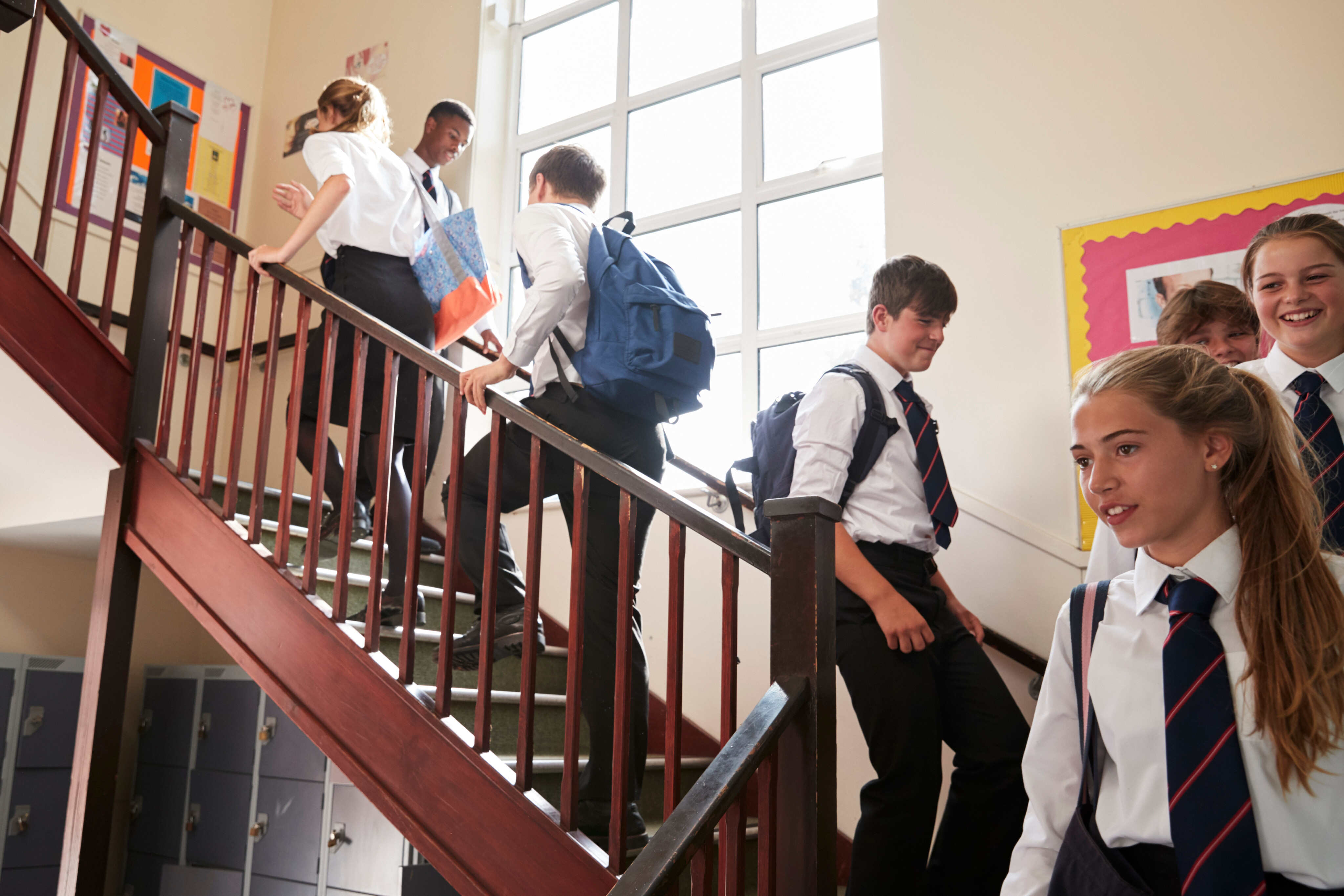
The debate over secondary school start times has intensified in recent years. Each side has substantial points that I will explore.
On the positive side, starting school at 8am aligns with most adult work schedules, making it easier for families to spend time together.
Many full-time jobs begin between 8am and 9am. Therefore, starting the secondary school day at 8am supports working parents by allowing them to drop their children off on their way to work.
In addition, starting school at 8am helps prepare students for the adult schedules they will encounter in university and work.
Some university classes and professional full-time jobs start before 8am. This indicates that starting school at 8am will familiarise students with a regular adult daily routine and its time management demands.
Despite its benefits, however, an 8am start time does slightly clash with adolescents’ natural sleep biology, affecting their health. Several studies have found that during the teenage years, the circadian rhythm shifts forward, causing a relatively later release of the sleep hormone melatonin.
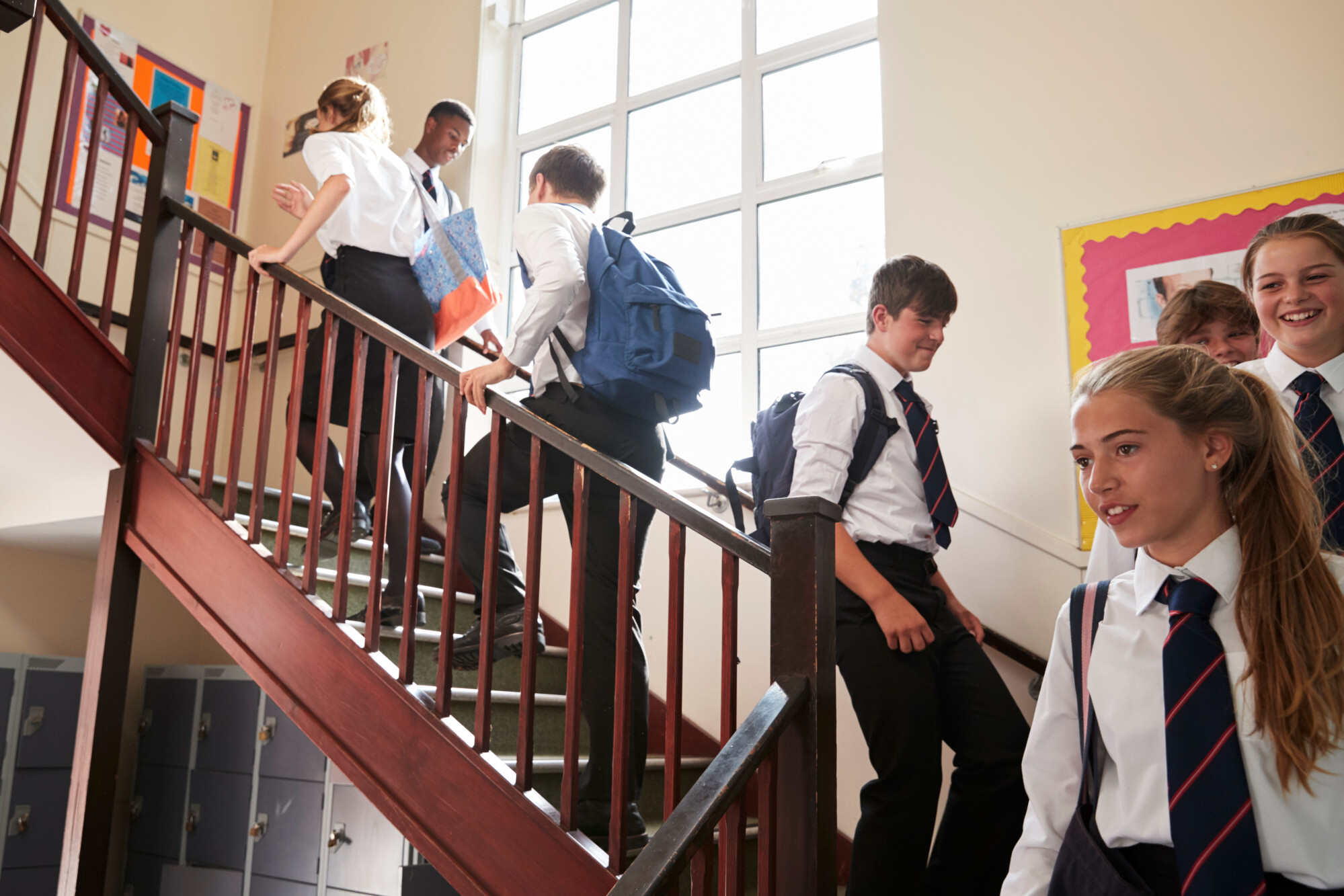
This suggests that it is biologically difficult for secondary school students aged between 12 and 17 to fall asleep before 11pm, and wake up early, for instance, at 6am or 7am for commuting to school.
Their necessary eight to 10 hours of sleep are cut short. This forced sleep deprivation is often the main cause of problems with focus, mood and health.
Furthermore, getting up early for school may harm adolescents’ health not only physically, but also mentally. Experts have said that sleep deprivation can lead to reduced attention and memory, anxiety and depression, and even the development of chronic diseases such as heart disease.
All of this means students’ general academic performance is potentially lowered when they sleep less than eight hours and have to wake up early. The negative aspects of starting school at 8am cannot be ignored.
In conclusion, while starting secondary school at 8am might be slightly harmful for students, it is a starting time that serves most people.
In my opinion, the 8am start time for secondary schools should be maintained rather than moved to later in the morning. It is not just about sleep, it is about learning to manage time, helping families and preparing for the future. Students should plan their time well to maximise the benefits of an 8am start and minimise potential harm to their health by eating well and staying positive.