
Have something to say? Send us a letter using this form.
Don’t celebrities deserve privacy?
Connie Liu, St Rose of Lima’s College
The wedding of singer-songwriter Taylor Swift and American football player Travis Kelce took place in New York City on July 3. Behind the ceremony, there were rigorous regulations. Nearby streets were closed, and all 1,000 guests and crew members signed non-disclosure agreements and were not allowed to use cameras.
These arrangements prompted some examination. Imagine: if Swift had not implemented these rules, what would the wedding have been like? Outside the venue, there would be a surge of people taking photos, while staff and guests inside would be able to post photos on social media and even sell them to the media.
If you were unable to keep your wedding under control, you would definitely not feel good. Therefore, we should protect celebrities’ privacy.
The invasion of one’s privacy could lead to mental health problems and even physical safety risks. When the public knows every detail of a celebrity’s life, it creates opportunities for overzealous fans, stalkers or even malicious actors to cause harm.

We have seen countless examples where paparazzi chases have led to car accidents or where obsessive fans have broken into celebrities’ homes.
These are not hypothetical dangers – they are real consequences of a culture that treats public figures as public property.
Taylor Swift herself has been a victim of such invasions. From having a stalker arrested outside her Rhode Island home to dealing with leaked private photos, she has experienced first-hand the dark side of fame. Her decision to enforce strict rules around her wedding was not an act of elitism or diva behaviour – it was a necessary measure to protect herself, her partner and her loved ones on one of the most significant days of her life.
By controlling the flow of information, she ensured that the wedding remained a sacred, intimate moment rather than a spectacle for mass consumption.

Celebrities are not obliged to share every facet of their existence just because they choose a public career. A musician’s job is to create art and perform – not to surrender their humanity. The exchange is simple: fans receive entertainment, inspiration and artistry; in return, they should offer respect.
It is also worth noting that the media ecosystem thrives on sensationalism, often twisting innocent moments into scandals. A stolen wedding photo could be cropped, mislabelled, or taken out of context, sparking rumours that overshadow the joy of the occasion. By keeping the event under wraps, Swift and Kelce preserved their narrative: they announced their marriage on their own terms, rather than allowing tabloids to dictate the headlines.
In the end, healthy fandom celebrates a person’s work without demanding ownership of their soul. True admiration respects the line between the persona and the person. Taylor Swift’s wedding was a beautiful union – not because the world watched, but because it was hers to share as she chose.
Even in the glare of fame, love deserves a quiet space to bloom.
Japanese traditionalism and the patriarchy
Allegra Khomara, King George V School
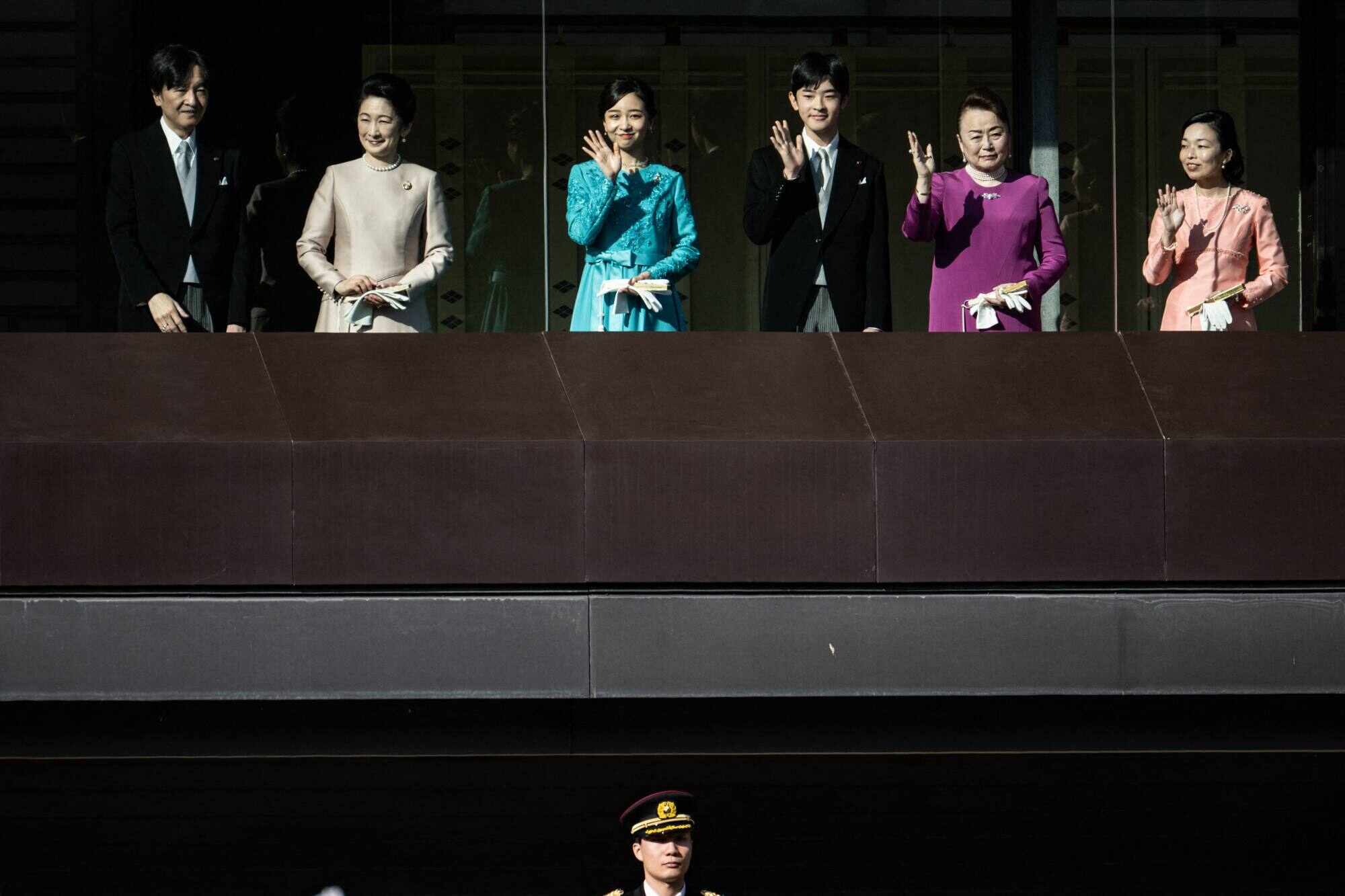
A new bill in Japan – that will allow the adoption of distant male descendants and women to retain their imperial status even after marriage – has been a focal point in the ongoing debate over the country’s royal succession.
The argument centres on how traditionalism – the upholding or maintenance of tradition, especially so as to resist change – remains today.
Despite 61 per cent of Japanese newspaper Mainichi Shimbun respondents believing the law should be changed to allow a woman to become emperor, conservative political leaders maintain their stance on traditionalist laws.
They argue maintaining the male line is necessary to protect a 2,000-year-old hereditary line, a continuous sequence of blood relatives from a single common ancestor. But I think the argument that only males can preserve imperial legitimacy is illogical and flawed.
A hereditary line is a sequence of people in the same family where titles, rights or properties pass down from parents to their children through generations.
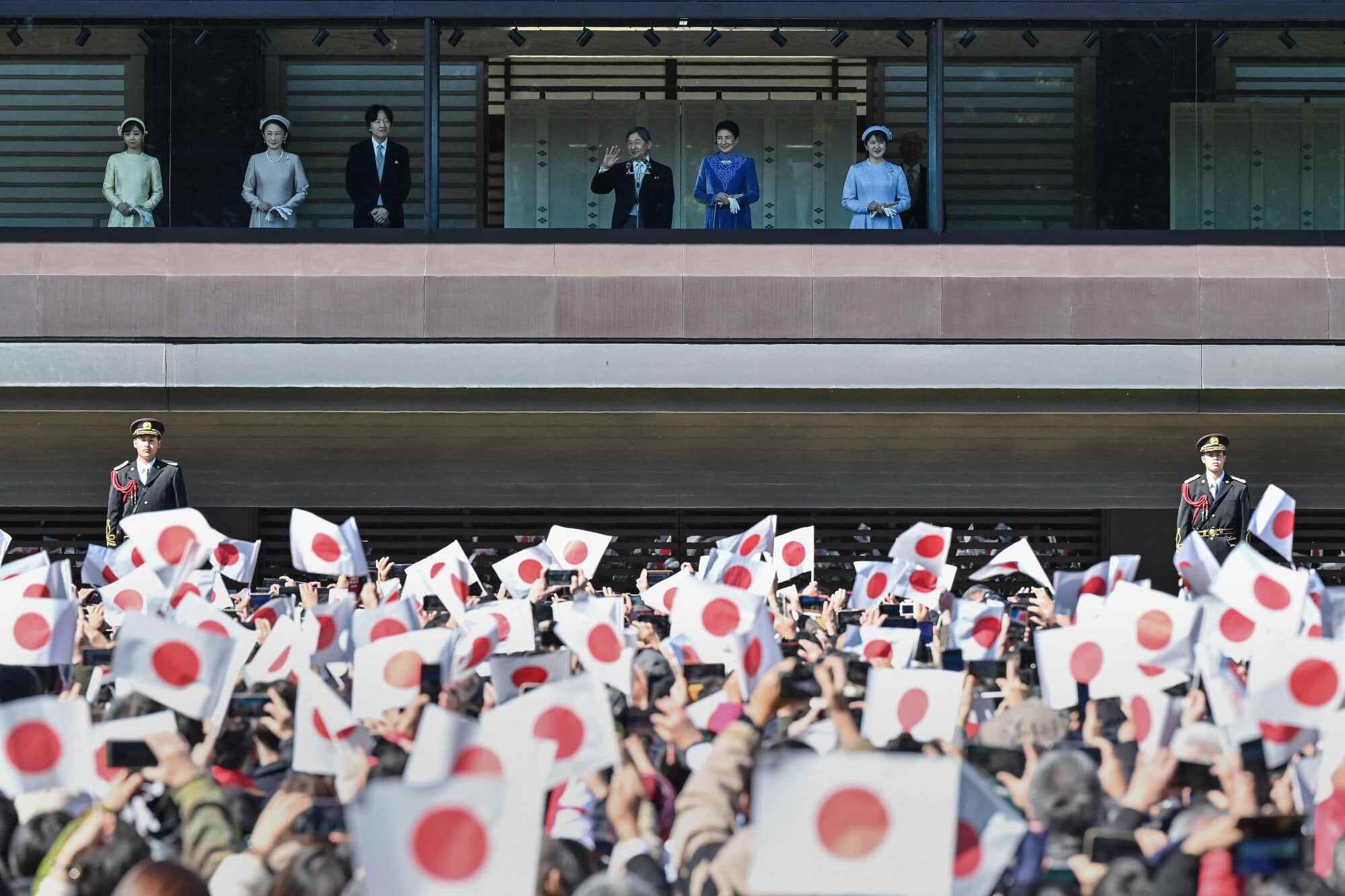
Female royals also belong in a bloodline. Your blood is not affected by gender. Had the 1889 Japanese Imperial Household Law forbidding empress regnants – rulers who reign in their own right – not been passed, empresses would also be eligible to maintain a hereditary line.
In fact, Japan has had eight empresses before – all who were descended from a male emperor and accepted by the court.
Preferring to adopt distantly related men rather than make direct descendants eligible prioritises gender over the importance of hereditary closeness.
Although it is understandable why conservative leaders are so intent on preserving the unbroken male line to keep with the – albeit relatively new – patriarchal traditions of Japan, true reverence for the imperial family should mean ensuring its survival for generations to come.
By embracing direct female descendants, Japan can honour its rich heritage while ensuring the imperial family remains both hereditary and sustainable.
The hidden weight of financial guilt
Jessica Zhang Chenjia, Hangzhou Yungu School (Zhejiang)
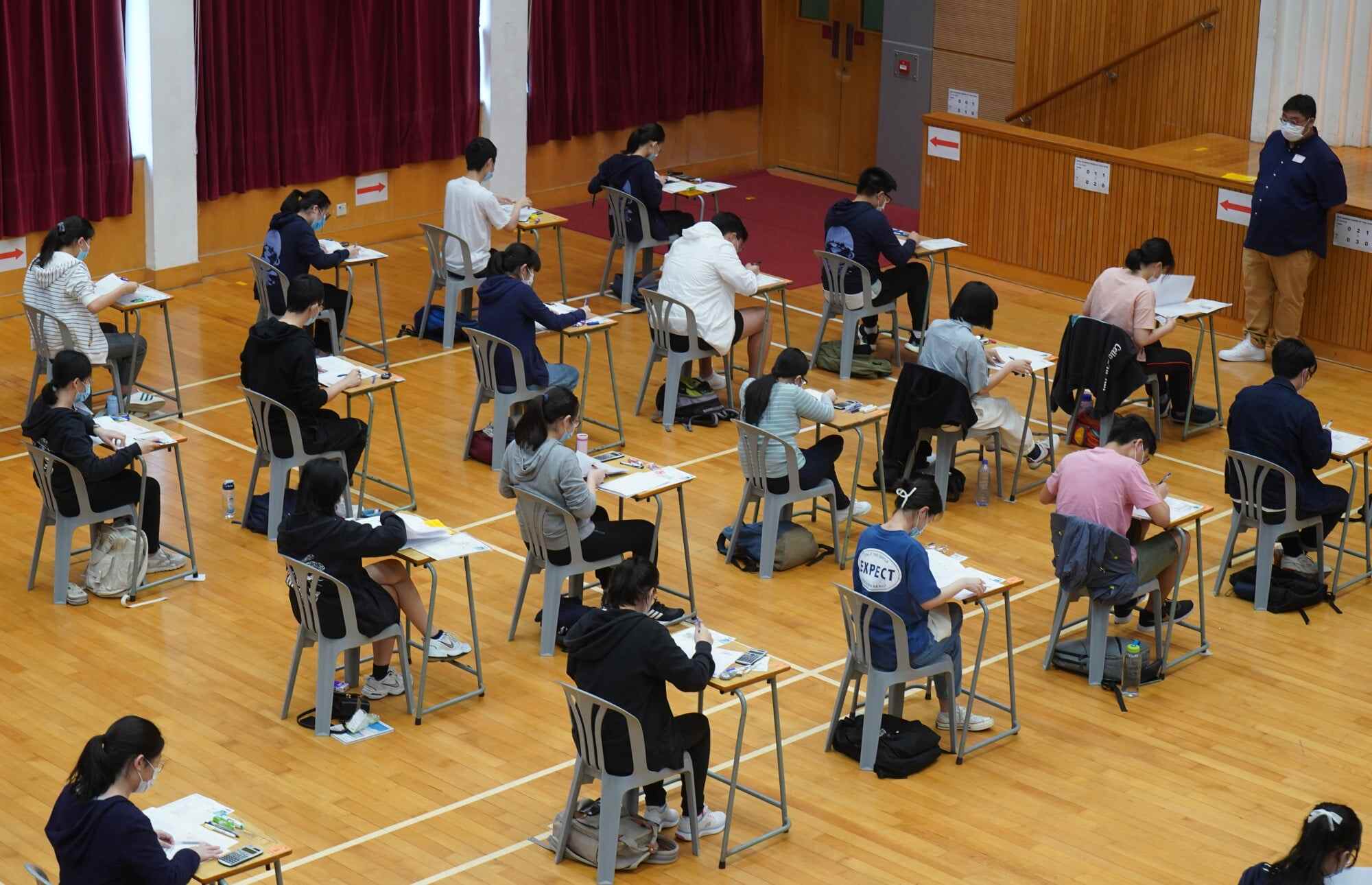
There has been a reported sharp rise in mental health problems among Hong Kong secondary school students. While many blame academic pressure, I believe another hidden issue also deserves attention: financial guilt.
Based on the news I have read, after-school tutoring and cram schools in Hong Kong have become the norm. Private lessons can cost hundreds of Hong Kong dollars per hour, and many families invest heavily in their children’s education. As this investment grows, so does the pressure on students to perform. This can quietly affect students’ mental health.
Long-term stress raises cortisol levels, damaging concentration and memory, leading to burnout instead of better grades.
Clinical psychologist Andrew Stock rightly points out that this guilt turns learning into emotional labour: “Students are not just studying for themselves; they are carrying their parents’ expectations, anxieties and even social status.”
This financial guilt may make students choose high-paying jobs to compensate parents’ financial investment over their own passions later in life, causing long-term career dissatisfaction.

While I don’t personally feel “financial guilt” from my parents, I can still understand how my peers feel. This is because I am a student in mainland China, where I am surrounded by competition. Many of my classmates have very traditional parents with high expectations who constantly push them to study harder.
Living in this environment, I see how much stress they face every day, which helps me realise that even without direct pressure from our own parents, we often put a heavy burden on ourselves.
I experienced this first-hand recently while taking an English as a foreign language class at school. The cost of tuition is fair, and my parents never stress me out over my test results. However, I kept telling myself that I must do well to make the time and money worth it. This thought stayed in my mind even during the mock tests.
Surprisingly, my score ended up being lower than it was before! This experience helped me understand that students often create invisible stress for themselves, even without direct pressure from parents.
If students like me can feel stressed simply to “live up to the cost”, it is easy to imagine how much heavier the burden is for those facing high tutoring fees. Words like “we spend all this for your future” may sound caring, but they can unintentionally make students feel guilty and afraid of failure.
Social media and societal trends often overemphasise material success, leading many young people to develop distorted financial values. Together, these factors aggravate the dangerous link between grades, money and self-worth, deepening financial guilt.
Education is an investment, not a debt. Students should not be trapped by the feeling that they must “pay back” the cost of learning. Parents and society should pay more attention to young people’s emotional well-being rather than academic performance. Only by easing this hidden burden can young people learn in a healthier and more positive way.