Every week, Talking Points gives you a worksheet to practise your reading comprehension with exercises about the story we’ve written.
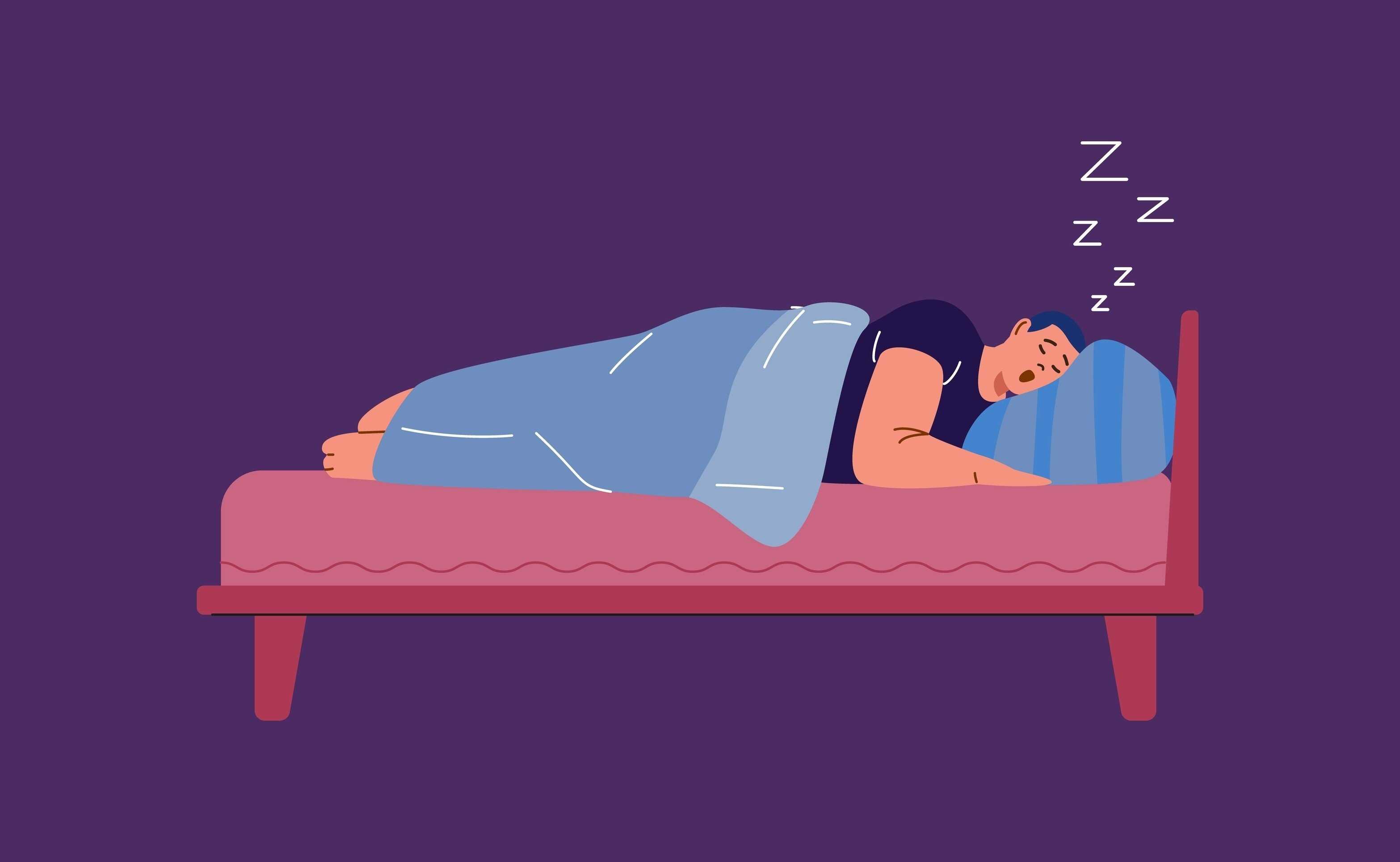
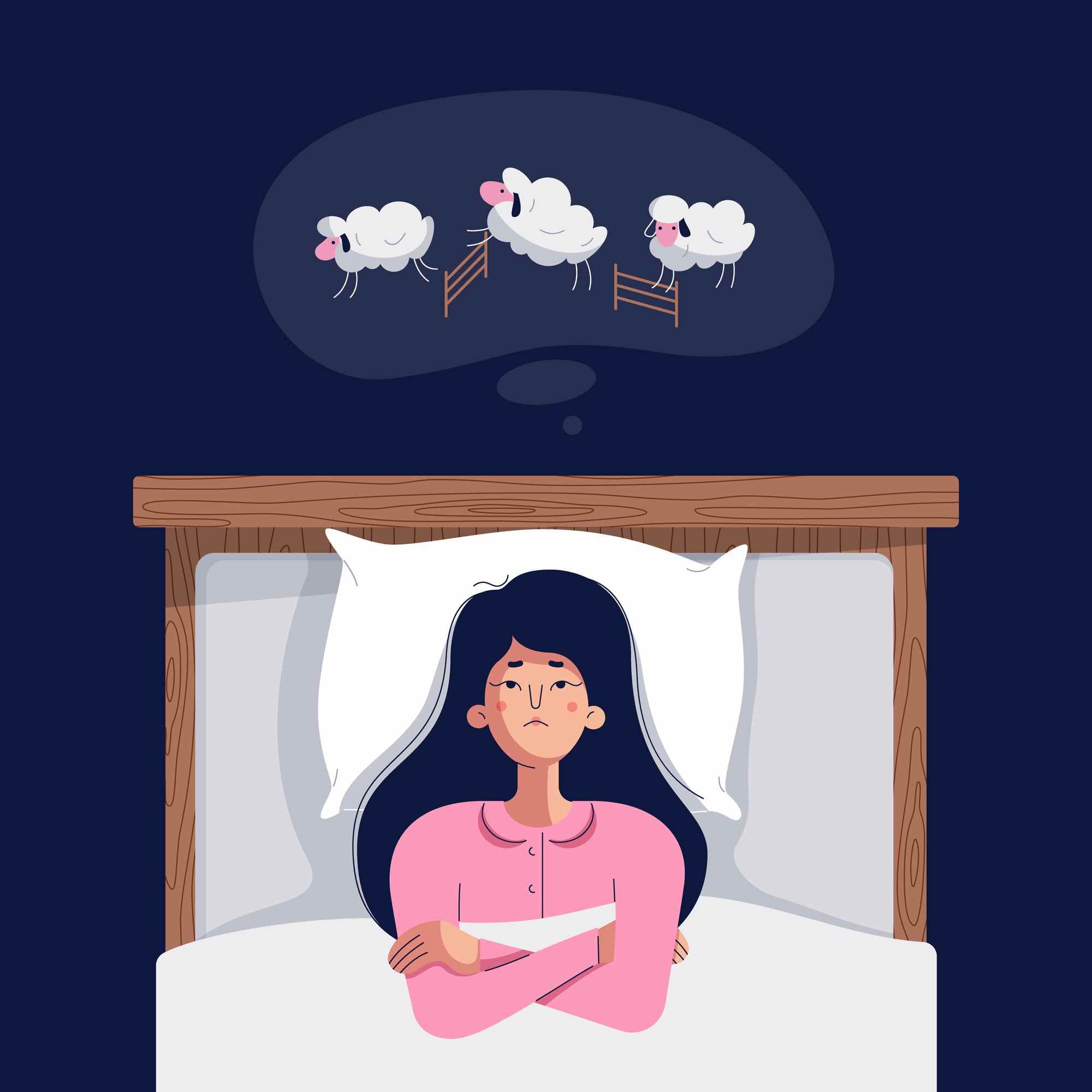
Have you ever spent the night tossing and turning, unable to sleep? Or woken up feeling exhausted, as if you hadn’t slept at all? These could be signs that you are not getting quality sleep.
“The most common habit leading to poor sleep is doing high-intensity work before sleeping,” said registered traditional Chinese medicine (TCM) practitioner Quinton Wong Cheuk-kwan.
“[This includes] thinking about study or work, which [puts us] in a very tense, very tight state,” Wong added. He is the director of Kwan’s Medical Group.
Wong explained that late-night workouts and nighttime snacking could also affect sleep. This is because the body uses the energy it would normally use to sleep to digest food instead.
“The body is still working even though we want to rest,” he said.
Signs of poor sleep
Normally, we should fall asleep about 10 minutes after lying in bed, Wong said. But stress can keep some people lying awake for hours.
Frequent dreaming is another sign of poor sleep.
“When [a person] wakes up being able to recall their dreams ... it actually reflects that they were not in deep sleep and did not have a good rest,” Wong said.
Some people may wake up easily due to an urgent need to use the toilet or nightmares. This can reflect underlying problems in the body.
Quality sleep is not only about the number of hours in bed, Wong said. It should also leave you feeling refreshed and energetic the next day.

Side effects of poor sleep
People often overlook the effects of sleep deprivation on overall health, Wong said.
For example, it can cause problems such as dry or red eyes, blurry vision, poor memory and concentration and mouth ulcers.
He said that many people view mouth ulcers as an immune or mucosal issue. This refers to the thin skin that covers the inner surfaces of the nose and mouth.
But according to TCM, they are caused by poor sleep, depleted body fluids and the generation of internal heat.
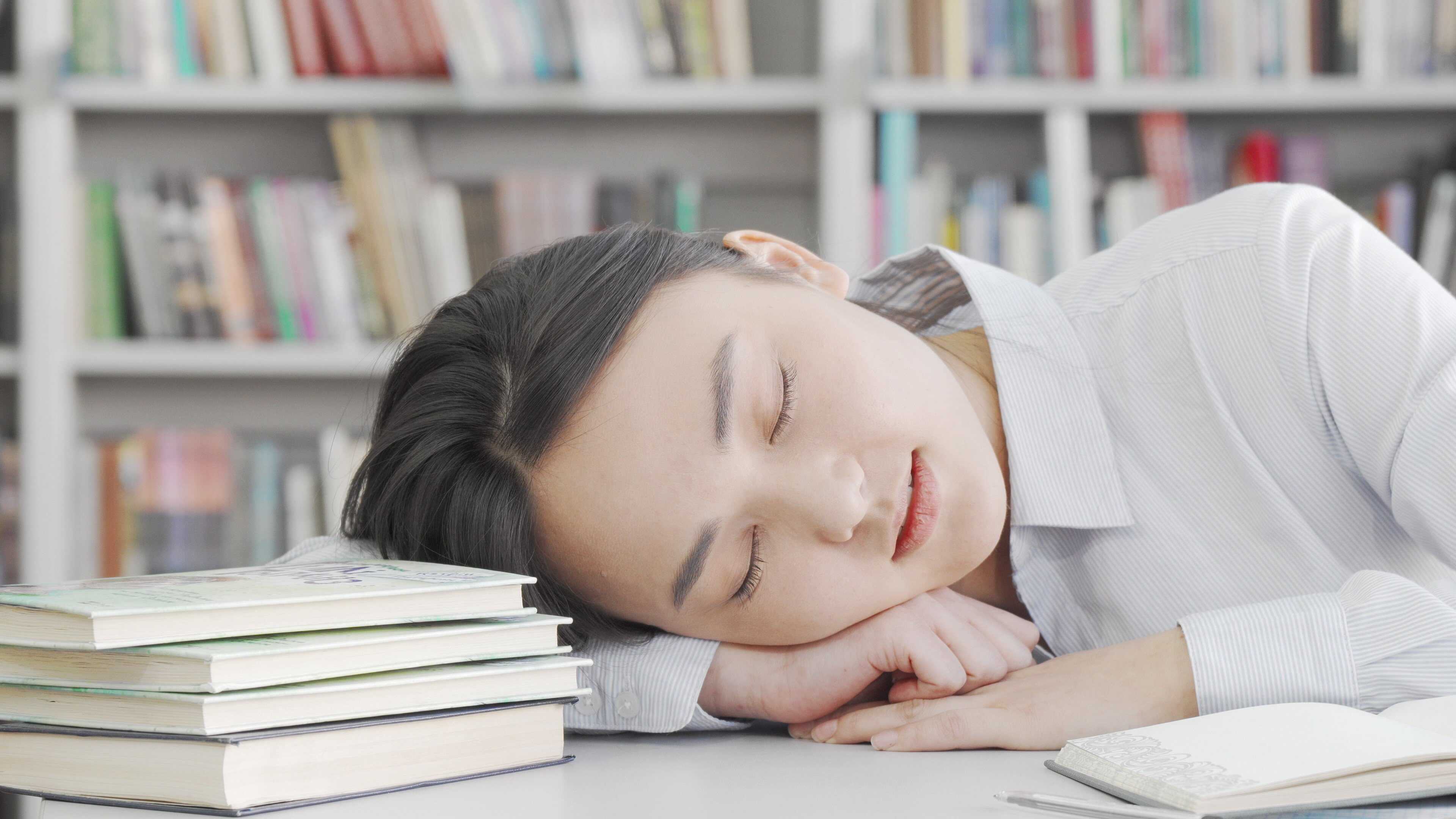
Many students try to recover from sleep deprivation by sleeping in on the weekends. However, Wong warned against relying on “catch-up sleep”. He suggested keeping a consistent wake-up time, even on weekends.
TCM tips for a better night’s rest
Wong recommended a tea recipe made with lily bulbs and dried longan.
TCM says that lily bulbs can clear heat, which can help improve symptoms such as swelling and dry mouth. Meanwhile, longan can support your heart.
Combine three to four pieces of longan with five to 10 grams of lily bulb. Brew them with boiling water for about 15 minutes. Drink the tea about one hour before going to bed.
Wong also suggested stimulating a few acupressure points before sleep: the Ear Apex and Taiyang.
The Ear Apex can be found on the fold at the highest point of the ear. Meanwhile, the Taiyang point is located one finger-width from the midpoint between the outer edge of the eyebrow and the outer corner of the eye.
Gently stimulating these points for three minutes can calm our minds and help us fall asleep faster.
Wong also suggested spending a few quiet minutes focusing on your breathing and heartbeat before sleep.
“It helps us understand our internal state and put down the stress of the day,” he said.