Every week, Talking Points gives you a worksheet to practise your reading comprehension with exercises about the story we’ve written.
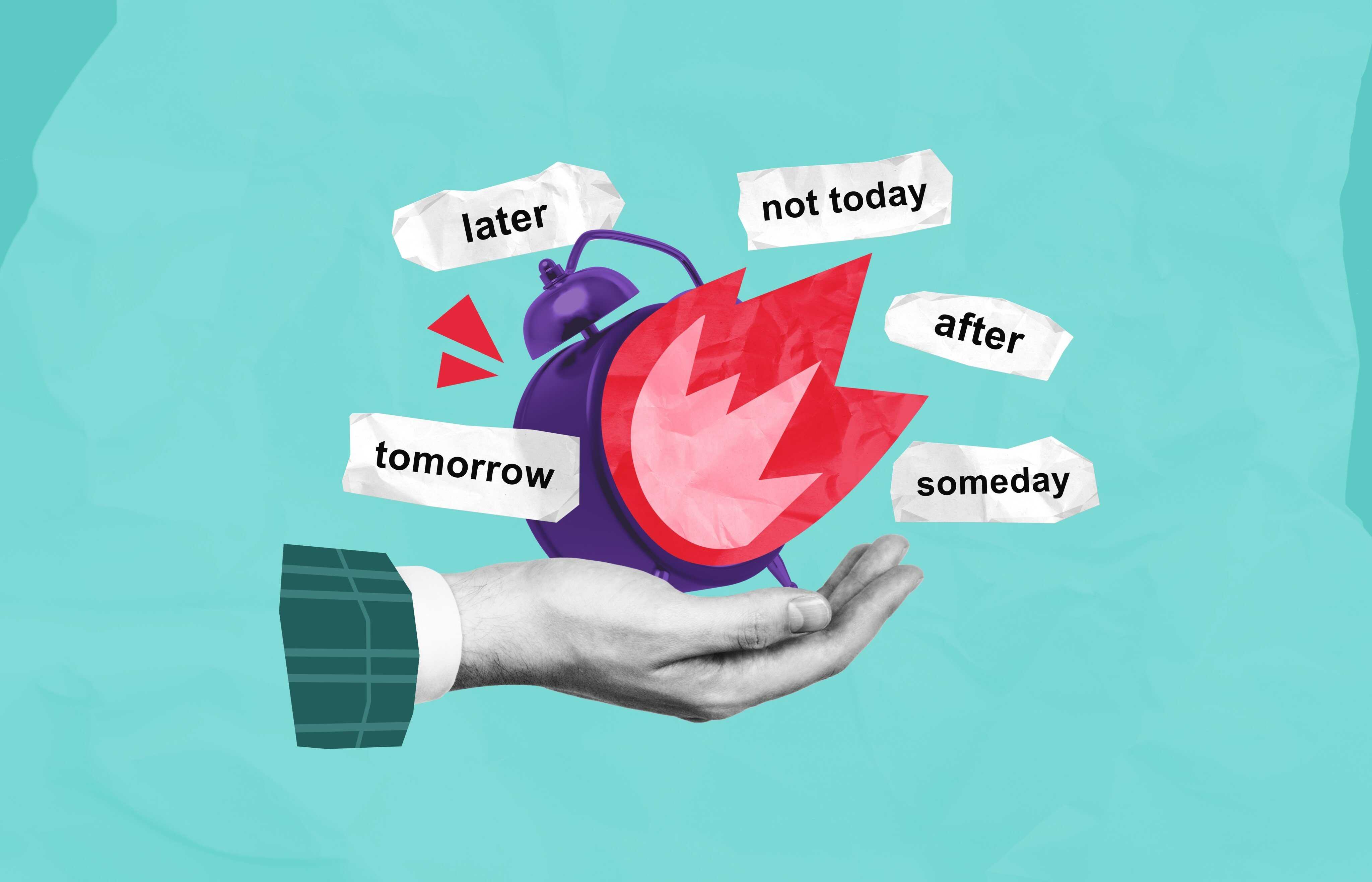
Procrastination is no big deal. Everyone puts off tasks they don’t want to do, right? Wrong, according to Fuschia Sirois. She is a professor of social and health psychology at Durham University in the UK.
Sirois has spent more than 25 years studying procrastination. Research shows that about one in four people procrastinates regularly. However, the behaviour can have serious consequences.
“The harms of procrastination can range from poor career progression ... to poor mental health, including higher rates of anxiety, stress and depression, [and] even poor physical health,” Sirois said.
What is procrastination?
Most self-help guides treat procrastination as a time management problem.
But Sirois said this misses the point. She said procrastination is not about putting things off because we don’t have enough time. It is done to dodge uncomfortable emotions.
We are not avoiding the work itself but the negative feelings it triggers, she said. We don’t put off sending a simple email because writing it is difficult. We put it off because we fear a recipient’s angry reaction.
Sirois’s book is called Procrastination: What It Is, Why It’s a Problem, and What You Can Do About It. In the book, she explains that procrastination is an unnecessary, voluntary delay of an important task.
It is done despite knowing that the delay will likely cause problems.
“The key point here is that procrastination is a form of harmful delay,” Sirois said.
The roots of procrastination
This harmful habit stems from the way the human brain works. When a task evokes negative feelings or feels stressful, the brain’s threat centre is activated. It is called the amygdala.
This survival reaction makes us focus only on feeling better. It makes it hard to think about the future results of our actions.
For example, we might swap a daunting assignment for an immediate moment of happiness. We may watch funny cat videos or feel a sudden urge to reorganise our desk. It is an automatic emotional defence. It is not a planned choice.
This emotional short cut relies on a psychological disconnect from our future selves.
Research shows that students often procrastinate. Many delay studying until the last minute. This sets them up for sleep deprivation, extreme stress and academic failure.
It is easy to repeat the pattern, even with clear warnings from teachers. This is because of how the human brain views the future self. We think of our future self as a stranger or separate person. Pushing a burden onto tomorrow feels like passing it off to someone else.
How do we stop procrastinating?
To break the emotional loop, Sirois recommended strategies centred on emotional awareness.
– Practise self-compassion. Beating yourself up for putting things off adds another layer of guilt and stress. This can lead to further task avoidance. Treat yourself with grace. This will lower emotional tension and help you focus.
– Cultivate mindfulness. Learn to notice and sit with uncomfortable feelings. These could be self-doubt, boredom or confusion. Don’t run away from them. This helps keep emotions in balance.
– Empathise with your future self. Before putting off a project, visualise how taking action today directly helps the version of you waking up tomorrow or next week. Treat that future version of yourself with kindness and empathy rather than neglect.