If you are interested in joining future Face Off debates, fill out this form to submit your application.
For: Connie Liu, 16, St Rose of Lima’s College

A University of Hong Kong study published last year found that heatwaves in the city over the past decade, 18 in total, may have contributed to 1,677 excess deaths.
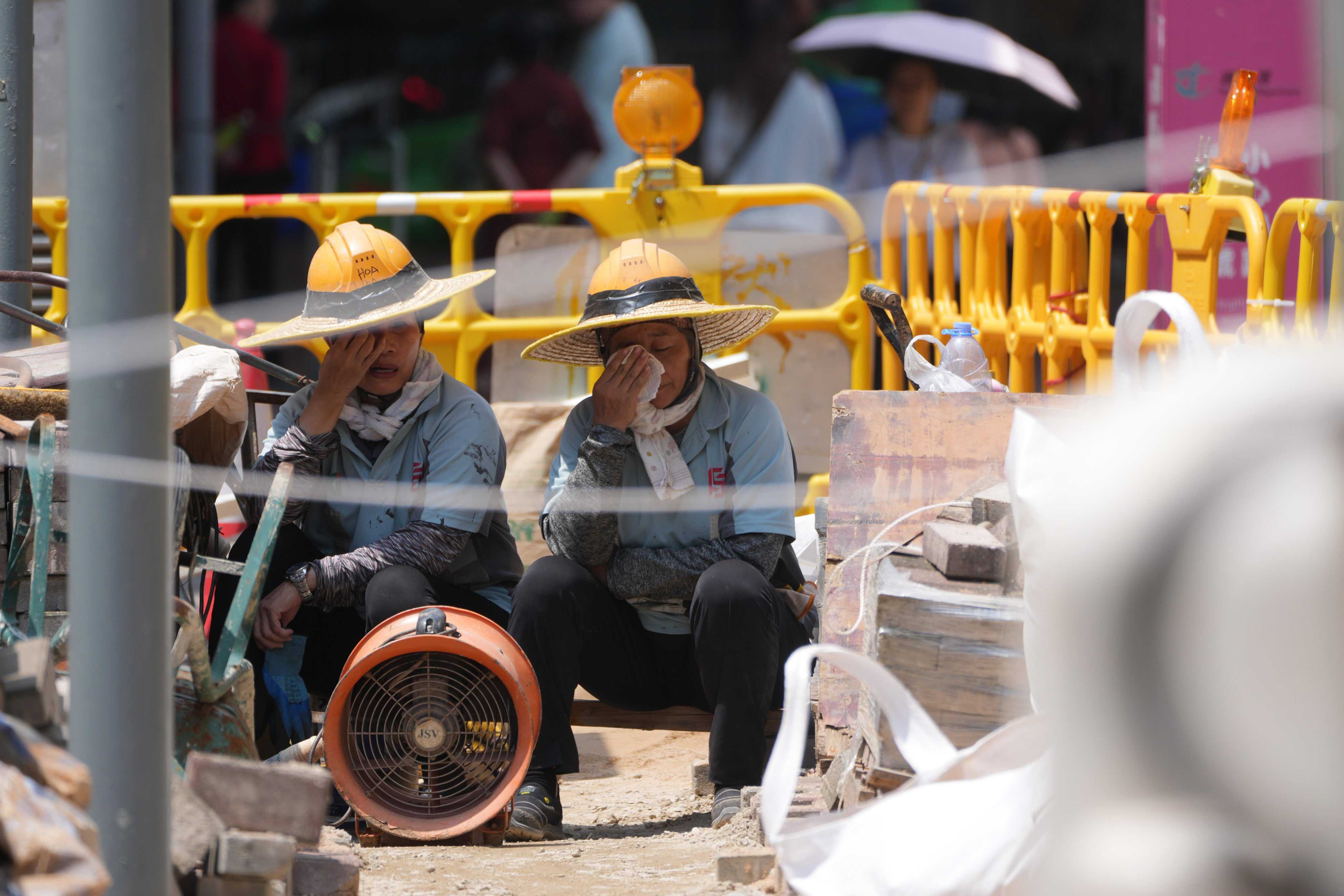
Imagine: it’s climbing to 40 degrees Celsius and you have a physical education (PE) lesson coming up. I have experienced this: nonstop sweating and shortness of breath, as if I were moving through thick, heavy soup.
But aside from feeling unwell, there are dozens of other risks that come with sports in extreme weather. That is why I support banning outdoor exercise when the Hong Kong Observatory issues a heat warning.
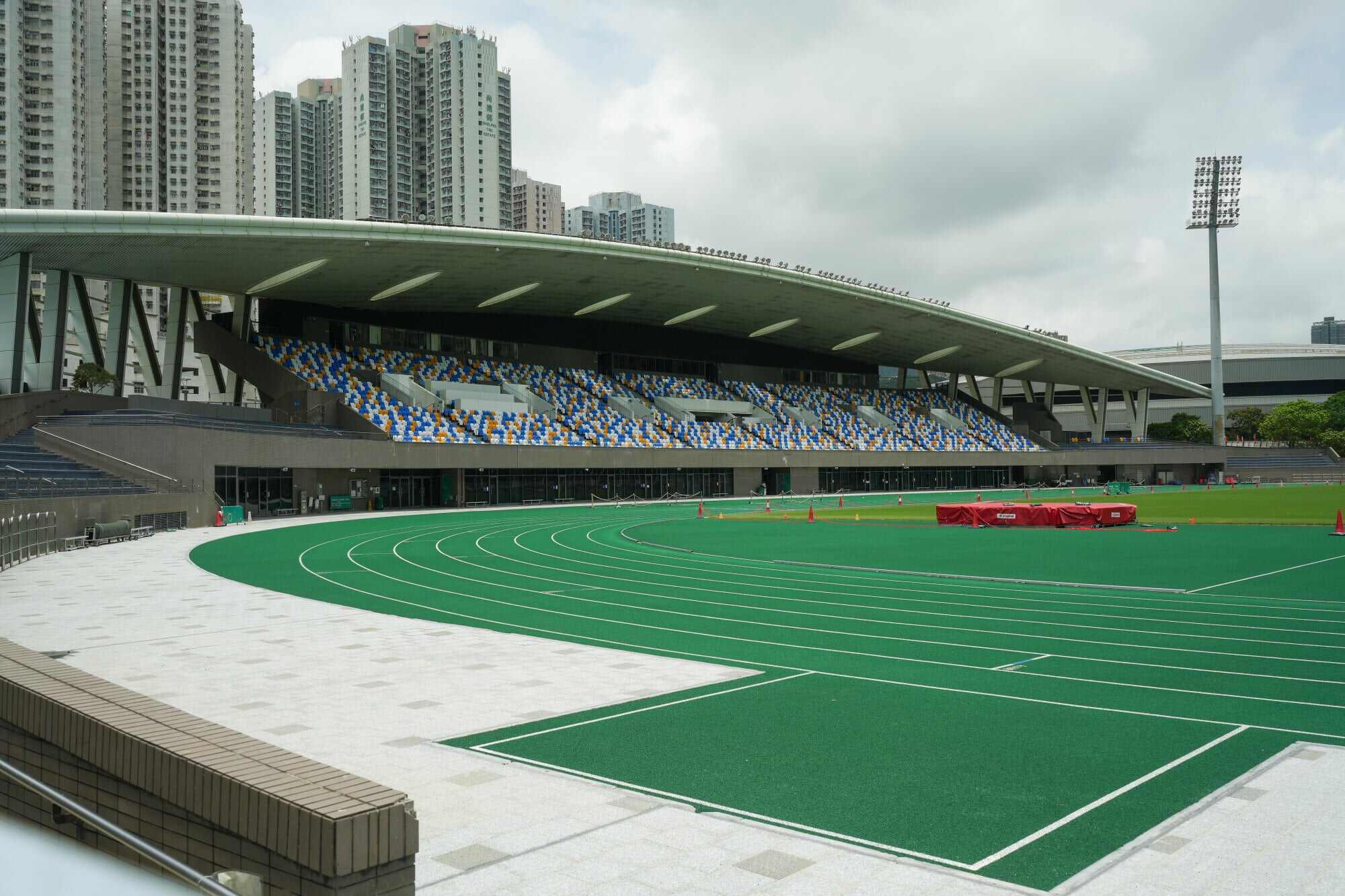
Doing outdoor exercise in extremely hot conditions increases your risk of heatstroke. In June, an 11-year-old boy surnamed Tsang died from heatstroke after running at Tseung Kwan O Sports Ground, where both temperature and humidity were high.
This heartbreaking case illustrates how physical activity in hot weather can result in fatal heatstroke.
Research has found that our bodies’ natural cooling systems are easily overwhelmed by the combination of excessive environmental heat and internal heat generated by physical activity. Doing an activity outdoors in high temperatures also causes a sharp decline in endurance, as the heart works much harder to pump blood to the working muscles while trying to dissipate heat.
In my experience, running in hot weather is much more exhausting than in more suitable conditions. When we have to run under high temperatures, I end up walking for several of the laps.
In addition to reducing endurance, exercising outdoors in extreme heat also affects cognitive functions. We need more time to react and make decisions because hot weather forces your body to redirect blood flow to the skin to cool you.
This reduces oxygen delivery to the brain and impairs neural activity in regions responsible for memory and decision making.
Some may argue that cancelling outdoor sports means children would be unable to play any sports for the whole summer – during which the forecaster frequently issues hot weather warnings.
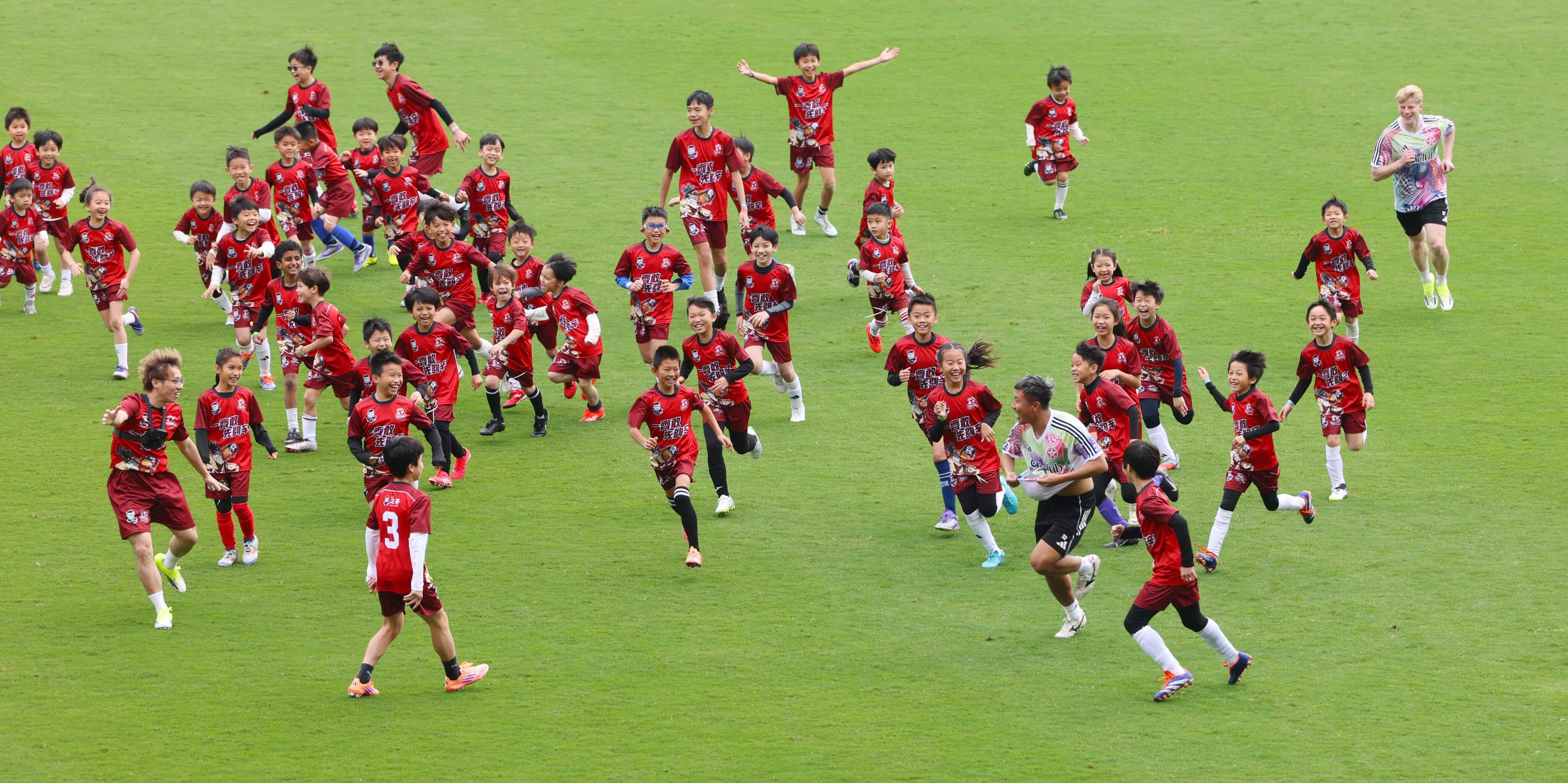
However, banning outdoor sports does not mean children cannot engage in physical activity. Instead, children can exercise safely in indoor areas, such as school halls and gyms.
Against: Cherish Chiu Cheuk-wing, 16, Leung Shek Chee College

Children should not be banned from outdoor sports when the Hong Kong Observatory (HKO) issues a heat warning. A total ban disregards the established practice of risk management and our ability to adapt activities safely.
The primary goal should be to manage risk, not eliminate activity entirely. A more measured approach would be one focusing on modification, preparation and supervision. This would be more effective and beneficial for children.
The medical consensus is clear: with the right precautions, most healthy children can safely play an outdoor sport in hot weather.
In its policy statement on climatic heat stress and exercising children and adolescents, the American Academy of Paediatrics (AAP) emphasises that heat-related illness is “usually preventable” when known risk factors are properly managed. These factors, such as inadequate hydration, excessive exertion and insufficient rest, are all modifiable.
Blanket bans remove the opportunity to teach and practise these vital safety habits.

Hong Kong’s weather forecaster issues distinct heat-related warnings: “Very Hot” as it reaches 33 degrees Celsius and “Extremely Hot” for 35 degrees and above.
The guidelines state that when temperatures reach 35 degrees or above, “vigorous physical activities should be avoided”. The key word here is “vigorous”. The guideline permits lighter exercise, modified games or activities moved to shaded areas.
This is very different from a total ban on outdoor sports.
Other official guidelines from health and education authorities consistently recommend adapting activities, not cancelling them outright. They suggest measures such as rescheduling activities to cooler parts of the day, such as the morning or late afternoon, and ensuring they take place in shaded areas as much as possible.
You should also take frequent hydration breaks and rest periods in cool areas, and wear loose, light-coloured, breathable clothes.
Neither the HKO nor the Education Bureau mandates a total prohibition of outdoor activities. The bureau’s safety guidelines direct schools to “judge whether to proceed, adjust, postpone or cancel activities” based on the specific situation. This decision-making process is far more nuanced than a simple ban.